Sacred Metals in Worship
From the copper kalash crowned with mango leaves to the silver bowl holding charananmrit, certain metals appear again and again in Hindu puja. Tradition holds that the vessel matters as much as what it carries, and that *silver (chandi) and copper (tamba)* are the most auspicious metals for holding water, panchamrit and offerings. Steel and aluminium, by contrast, are usually avoided for sacred liquids.
Why Silver and Copper Are Sattvic
In the Hindu understanding of nature, every substance carries one of three gunas - sattva (purity), rajas (activity) or tamas (inertia). *Silver and copper are considered sattvic metals, meaning they hold and radiate pure, calming, spiritual energy and are receptive to mantras and divine vibration. Silver is linked to the cooling, lunar energy of the moon, while copper* is tied to the warm, vital energy of the sun - together they balance the energies offered in worship.
Scriptural and Cultural Reason
Ayurveda and traditional texts praise tamra (copper) for storing and energising water, and the practice of keeping water overnight in a copper vessel - tamra jal - is an ancient prescription. Silver and copper were also precious, lasting metals, fit to honour the deity, which is why kalash, lamps, charananmrit bowls and panchamrit spoons are traditionally made of them. Using such vessels signals respect, permanence and the offering of one's best to the divine.
The Science Behind Copper and Silver
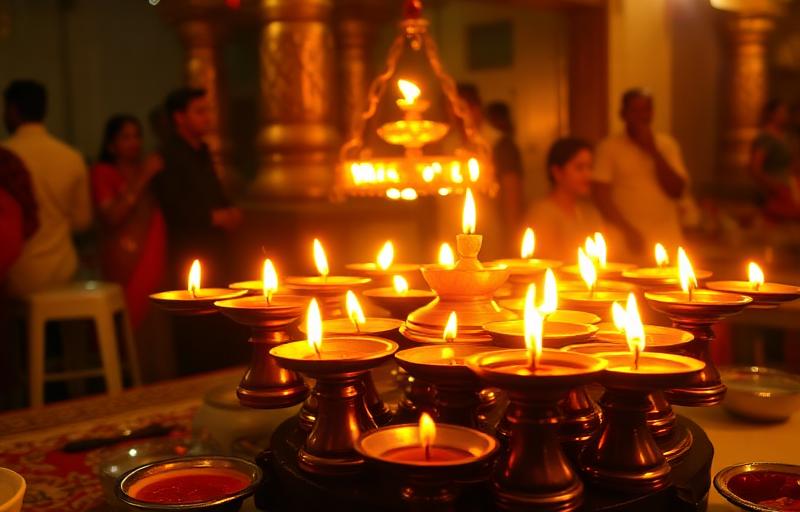
Modern science confirms much of this wisdom. Copper is strongly antimicrobial - the oligodynamic effect means it kills bacteria on contact, so water stored in copper becomes safer to drink, which matters when that water is later given as charananmrit. Silver too has antibacterial properties and is naturally cooling and non-reactive, keeping milk-based panchamrit and holy water fresh and pure. This is why these metals were the safest choice for liquids consumed as prasad.
Charananmrit and Panchamrit Vessels
Charananmrit - the sacred water that has bathed the deity's feet - and panchamrit - the mix of milk, curd, ghee, honey and sugar - are both consumed by devotees, so they must be kept utterly pure. Holding them in silver or copper vessels keeps them clean, fresh and free of harmful bacteria, and the metals' sattvic and antibacterial nature makes the offering safe as well as sacred. This is the clearest meeting point of devotion and practical wisdom.
How to Use and Care for These Vessels
1. Use copper for the kalash and for storing holy water; use silver for charananmrit and panchamrit where possible. 2. Clean copper and silver vessels regularly with lemon, tamarind or ash, as copper tarnishes and needs polishing. 3. Do not store sour or highly acidic items in copper for long, as it can react. 4. Keep puja vessels separate from everyday utensils, used only for worship. 5. Wash and dry them before and after each puja. Well-kept silver and copper vessels last for generations and are often passed down as sacred family heirlooms.
Benefits of Using Silver and Copper
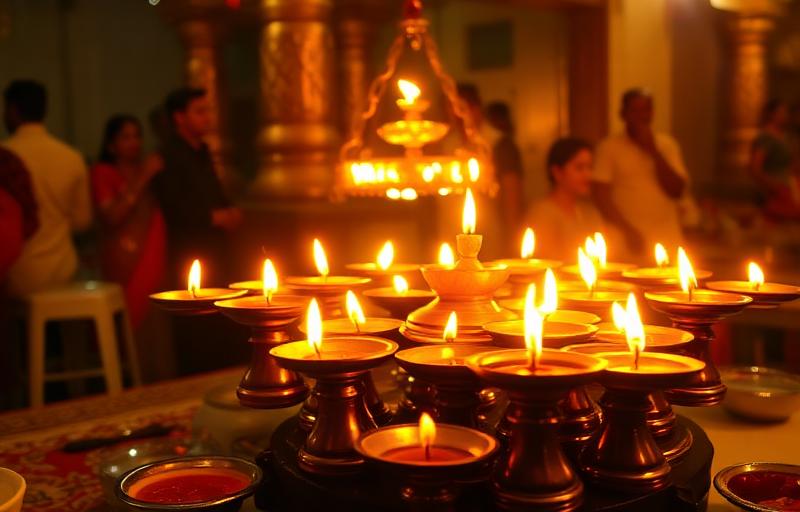
Using silver and copper vessels keeps charananmrit, panchamrit and holy water pure, fresh and safe to consume, uniting devotion with hygiene. Their sattvic energy is believed to enhance the spiritual power of offerings and the calm of the puja space. Copper water is valued in Ayurveda for digestion and balance, while silver is prized for its cooling effect - so these vessels carry blessings for both body and soul.
Common Questions From Devotees
Why are silver and copper used in puja?+
They are considered sattvic metals that hold pure, calming spiritual energy and are receptive to mantras. They are also antibacterial, keeping holy water, charananmrit and panchamrit clean and safe to consume.
Is it scientifically proven that copper purifies water?+
Yes. Copper has an oligodynamic effect, meaning it kills bacteria on contact. Water stored in a copper vessel becomes safer to drink, which is why charananmrit and holy water are kept in copper.
Should panchamrit be kept in silver or copper?+
Silver is preferred for milk-based panchamrit as it is cooling and non-reactive, keeping it fresh. Copper is ideal for water and charananmrit. Both are sattvic and keep the offering pure and safe.
Why are steel and aluminium avoided for sacred liquids?+
Steel and aluminium are not considered sattvic and lack the spiritual and antibacterial qualities of silver and copper. Tradition reserves the purest, most auspicious metals for water and offerings given as prasad.
How should copper puja vessels be cleaned?+
Clean copper with lemon, tamarind or ash, as it tarnishes over time and needs regular polishing. Avoid storing sour or acidic items in it for long, and keep puja vessels separate from everyday utensils.
What does sattvic mean for puja metals?+
Sattvic means pure and balanced, carrying calming spiritual energy. Silver and copper are called sattvic because they radiate purity, are receptive to divine vibration, and keep offerings clean and uplifting.
About the author
Pandit Mahesh Trivedi · Festival Traditions & Panchang
Pandit Mahesh leads the festival-date and Panchang content on Vandnaa. He cross-references multiple regional panchangs (Drik, Vaishnava, Bengali, Marathi) for every festival date published on the site.
Meet the Vandnaa editorial team →Explore on Vandnaa
Related Articles

Panchamrit - Meaning, 5 Ingredients, Significance & Puja Vidhi
8 min read
Why We Offer Akshat (Unbroken Rice) in Puja - Meaning & Vidhi
8 min read
Why We Eat Prasad With the Right Hand - Meaning & Vidhi
8 min read
Home Mandir Setup - Direction, Vastu Rules, Dos and Don'ts
9 min read
Why We Do Panch Aarti (Five Lamps) - Meaning & Significance
8 min read
Gau Mata Puja - Significance, Benefits & Vidhi to Worship the Cow
9 min read