What Is a Yagya (Yajna)?
A yagya (Sanskrit yajna) is the sacred Vedic fire ritual - a worship in which offerings are made into the consecrated fire (Agni) while sacred mantras are chanted. Agni is seen as the divine messenger who carries the offerings to the gods, linking the human and the divine.
The word yajna comes from the root yaj, which carries three meanings: worship of the divine (devapujana), unity and good company (sangatikarana), and charity (daana). Together these reveal that yagya is far more than ritual - it is an act of devotion, togetherness and selfless giving.
A smaller home version of yagya is commonly called a havan or homa. From a simple havan in a home to grand Vedic yajnas, all share the same spirit: offering to the divine for the welfare of all.
Key Components of a Yagya
A traditional yagya brings together several sacred elements:
- Agni (the sacred fire): Kindled in a kund (fire altar), it is the living centre and divine receiver of every offering.
- Yajamana (the host): The person or family on whose behalf the yagya is performed, with a clear sankalp (intention).
- Ritvik or purohit: The learned priest(s) who conduct the rites and chant the mantras correctly.
- Mantras: Vedic verses chanted with each offering, usually ending with svaha.
- Samidha and havan samagri: Sacred wood (often mango, peepal), ghee, grains, herbs and aromatic substances offered into the fire.
- Ahuti (the offering): Each oblation placed into Agni with devotion.
Every part works together so that the fire, the word and the heart of the worshipper are joined in a single act of reverence.
Types & Scriptural Basis
Yagya is woven through the earliest and most sacred Hindu texts:
- The Vedas, especially the Yajurveda, are largely devoted to the procedures of yajna. The Rigveda's very first hymn praises Agni as the priest of the sacrifice.
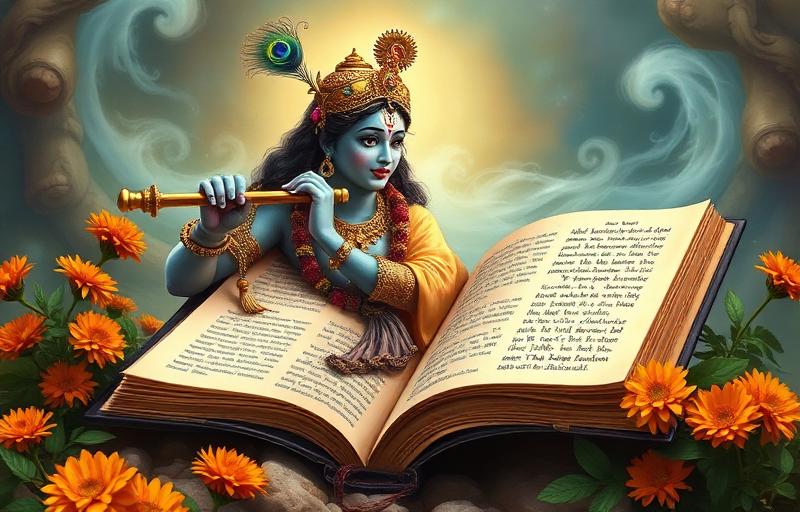
- Bhagavad Gita (Chapter 3 and 4): Lord Krishna says creation itself runs on the cycle of yajna - we receive from the divine and give back through selfless action.
The scriptures describe many forms, such as:
- Pancha Maha Yajnas - the five daily duties of a householder, including offerings to the divine, the ancestors and all beings.
- Agnihotra and Havan - daily or occasional fire offerings.
- Specific yajnas like Putreshti, Rudra Yagya and grand Vedic sacrifices performed for particular purposes.
Most importantly, the Gita teaches the Jnana Yajna - the inner sacrifice of knowledge, devotion and self-offering, said to be the highest of all.
Deeper Significance & How to Approach It
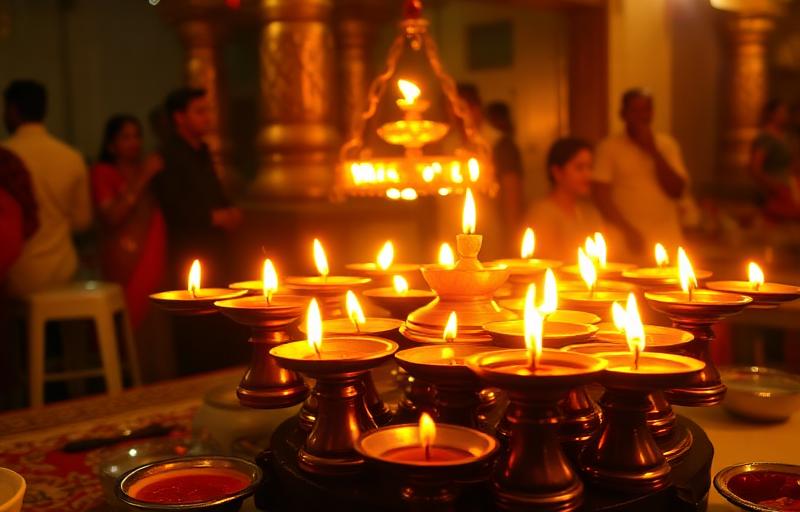
Beyond the visible fire, yagya carries layers of meaning:
- A spirit of giving: Every offering ends with idam na mama - 'this is not mine.' Yagya trains the heart in selflessness, releasing attachment to what we give.
- Harmony with creation: Through yajna, humans give back to the forces that sustain life - the elements, the devas, the ancestors and all beings - keeping the great cycle in balance.
- Purification: The sacred herbs, ghee and chanting are believed to purify the surroundings and the mind, filling the space with sattva.
- Inner yajna: The deepest teaching is that the true fire is within. Offering our desires, ego and selfishness into the fire of knowledge and devotion is the highest yagya.
How to approach it: A simple havan at home, even with a small fire, pure intention and a few mantras like the Gayatri, carries the same spirit. The essence is not grandeur but a sincere, giving heart. For larger or specific yajnas, the guidance of a learned purohit is recommended.
Frequently Asked Questions
What is a yagya in Hinduism?+
A yagya (yajna) is the sacred Vedic fire ritual in which offerings are made into the consecrated fire (Agni) while mantras are chanted. Agni carries the offerings to the divine. The word means worship, unity and charity together.
What is the difference between yagya and havan?+
Havan (or homa) is a smaller, simpler fire offering, usually done at home, while yagya often refers to a larger or more elaborate Vedic fire ritual. Both share the same spirit of offering into Agni with mantras and devotion.
Why is fire (Agni) central to yagya?+
Agni is seen as the divine messenger who carries every offering to the gods, linking the human and the divine. The very first hymn of the Rigveda praises Agni as the priest of the sacrifice, making fire the heart of the ritual.
What is the deeper meaning of yagya?+
Beyond ritual, yagya teaches selfless giving (each offering ends with 'this is not mine'), harmony with creation and inner purification. Its highest form is the inner yajna - offering one's ego and desires into the fire of knowledge and devotion.
About the author
Anjali Mehta · Editor, M.A. Religious Studies
Anjali is the managing editor for Vandnaa and oversees the festival and vrat coverage. She holds an M.A. in Religious Studies and reviews every published article for accuracy, accessibility, and tradition-fidelity.
Meet the Vandnaa editorial team →