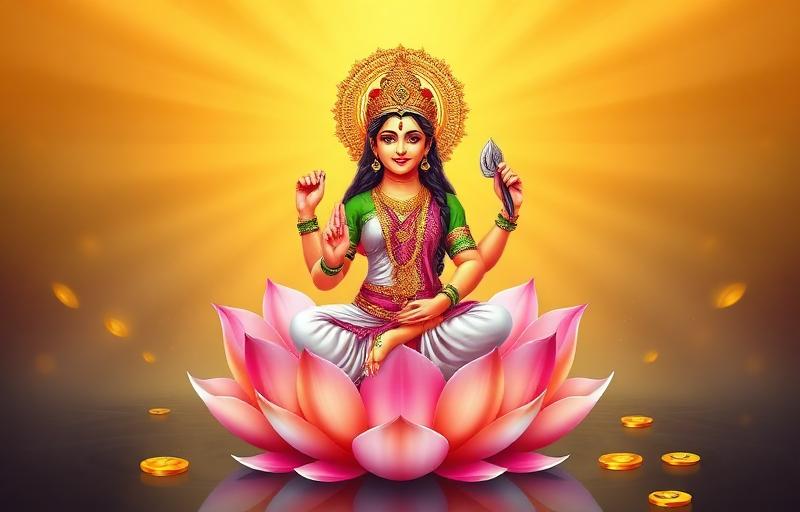
What are the 16 Sanskars
Sanskars (Sanskrit: संस्कार) are sacred rituals that mark significant transitions in human life. The word literally means 'refinement' - each sanskar is meant to refine the soul, body, and consciousness at that life stage.
Shodasha Samskara = 16 Sanskars: From Vedic times, Hindu tradition identifies 16 critical rituals from before birth to after death. Each is mentioned in Manusmriti, Grhya Sutras, and Dharma Shastras.
Why 16: The number isn't arbitrary. 16 phases of moon, 16 cosmic principles, 16 letters of certain mantras. The 16 sanskars cover the complete arc of human existence.
The 16 Sanskars (in order):
Pre-birth (3): 1. Garbhadhana - Conception 2. Punsavana - Pregnancy ceremony (3rd month) 3. Simantonnayana - Hair-parting ceremony (7th month)
Childhood (6): 4. Jatakarma - Birth ceremony 5. Naamkaran - Naming ceremony (11th day) 6. Nishkramana - First outing (4th month) 7. Annaprashana - First solid food (6th month) 8. Choodakarma/Mundan - First haircut (1-3 years) 9. Karnavedha - Ear piercing
Education (1): 10. Vidyarambha/Upanayana - Beginning of education (sacred thread, age 8-12 traditionally)
Education completion (1): 11. Samavartana - Graduation/return from gurukul
Adulthood (2): 12. Vivaha - Marriage 13. Vanaprastha - Forest dwelling (after children grown, age ~50)
Renunciation (1): 14. Sannyasa - Renunciation (final phase)
Death (1): 15. Antyeshti - Final rites
Plus the 16th: 16. Some traditions count Shraddha (annual ancestor worship) as the 16th, marking the soul's continuation post-death.
Modern relevance: Not all 16 are observed today. The most commonly observed are:
- Naamkaran (11th day naming)
- Annaprashana (6 months food)
- Mundan (1-3 years haircut)
- Upanayana (sacred thread, less common in modern times)
- Vivaha (marriage)
- Antyeshti (last rites)
Understanding all 16 helps appreciate the depth of Hindu life-philosophy - every transition is sacred.
📿 The Vandnaa App has detailed vidhi for each major sanskar with audio mantras.
Pre-Birth & Childhood Sanskars (1-9)
1. Garbhadhana (Conception): Not just biological act. Ancient tradition prescribed sacred rituals before conception:
- Couple performs puja
- Specific mantras
- Auspicious timing (specific tithis preferred)
- Mental preparation for soul invitation
- Belief: parents' state during conception affects child's nature
Modern relevance: Conscious conception practice. Couples can read Bhagavad Gita together, do brief puja before, set positive intentions.
2. Punsavana (Pregnancy Ceremony - 3rd month): Done in 3rd month of pregnancy:
- Pregnant mother receives blessings
- Special mantras for child's well-being
- Husband applies banyan-tree milk on her belly (symbolic protection)
- Pregnancy diet recommendations begin
Modern relevance: Baby shower, prenatal care, healthy pregnancy practices.
3. Simantonnayana (Hair-Parting - 7th month): Done in 7th month:
- Husband parts wife's hair with specific instrument (silver/golden comb)
- Marks visible change in mother's appearance
- Blessings for safe delivery
- Often combined with godh bharai (lap-filling) ceremony
Modern relevance: Godh bharai is still commonly practiced.
4. Jatakarma (Birth Ceremony): Immediately after birth:
- Father whispers Om and family mantras in baby's ears
- Honey + ghee mixture given to baby (first 'taste' of sweetness)
- Astrological birth chart preparation begins
- Welcome rituals
Modern relevance: Some families still whisper mantras at birth.
5. Naamkaran (Naming - 11th Day): Most commonly observed sanskar:
- Done on 11th day after birth (or 12th in some traditions)
- Name selected based on birth nakshatra (astrological star)
- Family priest determines auspicious letter
- Name written on rice grains by father
- Name whispered in child's ears
- Family celebration with prasad
Modern relevance: Very widely practiced. Even modernized families do naming ceremony.
6. Nishkramana (First Outing - 4th Month): First time baby leaves home:
- Usually to temple or auspicious place
- Sun-darshan ceremony (Surya namaskar to baby)
- Marks baby's first connection with outer world
Modern relevance: Many families still take baby to temple at 4 months.
7. Annaprashana (First Solid Food - 6th Month): When baby first eats solid food:
- Father feeds first morsel (usually rice + ghee + honey)
- Items placed before baby (book, money, food, idol) - what baby touches first predicts inclination
- Family celebration
Modern relevance: Widely practiced. Pediatricians actually recommend solids around 6 months.
8. Choodakarma/Mundan (First Haircut - 1-3 Years): Sacred first haircut:
- Hair from previous birth removed
- Believed to remove karmic baggage
- Done at temples (Tirupati, etc.) for major significance
- Boy's choti (small tuft) preserved in some traditions
Modern relevance: Very common, especially in temple pilgrimage.
9. Karnavedha (Ear Piercing): Ear piercing ceremony:
- Boys: right ear first (some traditions)
- Girls: both ears, sometimes nose
- Acupressure points activated
- Auspicious time selected
Modern relevance: Done for most girls; less common for boys nowadays.
The cosmic principle behind childhood sanskars: Each ritual marks a developmental transition AND consecrates it as sacred. The child grows up understanding life as sacred journey, not arbitrary biology.
Education, Marriage & Adulthood Sanskars (10-13)
10. Vidyarambha/Upanayana (Beginning of Education - Age 8-12): Most transformative sanskar after birth:
- Upanayana specifically means 'taking near' (the guru)
- Sacred thread (yajnopaveeta) ceremony
- Boy receives Gayatri Mantra (highest mantra) for first time
- Begins formal study under guru
- Traditionally moved to gurukul for years
- Marked transition from childhood to studentship
Two types:
- Yajnopaveeta - sacred thread (3 strands)
- Started with first letter (initiation into Sanskrit)
Modern relevance: Less common today. When practiced, often abbreviated. Some families still do Upanayana at age 10-12 ceremoniously.
The 3-stranded sacred thread:
- 3 strands = trayi (3 Vedas)
- Worn over left shoulder
- Changed annually on Raksha Bandhan
- Worn for life by the initiated
- Symbol of one's status as 'twice-born' (dwija)
11. Samavartana (Graduation): Return from gurukul:
- Marked end of education phase
- Bath ceremony (snatak - bathed one)
- Gift exchange between guru and student
- Permission to take next life stage
Modern relevance: Modern equivalent - graduation ceremony, but without the sanskar element.
12. Vivaha (Marriage): Most elaborate sanskar:
- Multi-day ceremony in traditional form
- Mantras at every step
- Saptapadi (7 sacred steps) is core
- Witness: agni (fire)
- Bride and groom exchange specific commitments
- Family lineages merge
The 7 vows (Saptapadi): Each step is one vow: 1. To respect each other's families 2. To strengthen each other physically 3. To prosper through dharmic work 4. To increase knowledge 5. To be blessed with children 6. To enjoy life's seasons together 7. To remain friends and devoted forever
Modern relevance: Marriage is universally practiced. While many simplifications happen, core sanskar elements (saptapadi, mangalsutra, sindoor) remain.
13. Vanaprastha (Forest Dweller - After Age 50): Not literally going to forest in modern times:
- Children become independent
- Couple gradually transfers responsibilities
- Spend more time in spiritual practice
- Reduce material involvement
- Mentor younger generation
- Travel for pilgrimage
Modern relevance: Retirement years can be Vanaprastha. Many post-50 individuals naturally turn to spirituality.
The deeper meaning: Vanaprastha represents conscious withdrawal from active worldly life into spiritual focus. Important: it's not depression or isolation. It's intentional refocusing.
Cosmic philosophy of life stages:
Hindu tradition divides life into 4 ashramas (stages): 1. Brahmacharya (childhood-25) - student, celibate 2. Grihastha (25-50) - householder, family 3. Vanaprastha (50-75) - forest-dweller, spiritual focus 4. Sannyasa (75+) - renunciate, full surrender
The sanskars mark transitions between these stages.
Sannyasa & Death Sanskars (14-16)

14. Sannyasa (Renunciation): Final pre-death sanskar:
- Total renunciation of material life
- Family relationships dissolved spiritually
- Saffron robes
- Dedicated to moksha
- 'Death' to old identity
Modern relevance: Rare today. Some take sannyasa formally; most don't. Symbolic 'mental sannyasa' more common - internal renunciation while continuing in family life.
Note: Sannyasa requires guru-initiation typically. Don't take it casually.
15. Antyeshti (Last Rites): Final sanskar after death:
- Most important sanskar
- Cremation in most Hindu traditions
- Rituals over 13 days
- Tarpan to ancestors
- Asthi visarjan (immersion of ashes) at sacred river
Day-by-day:
Day 1 (Cremation day):
- Body bathed, dressed in white (or saffron for sannyasis)
- Family chants 'Ram Naam Satya Hai' or other divine names
- Cremation at chitabhumi (cremation ground)
- Eldest son lights pyre
- Skull-breaking ritual (kapal-kriya) - symbolic release of soul
Day 1-13:
- Family observes mourning (sutak)
- No grand celebrations
- No new clothes
- Daily prayers for departed soul
- Eat sattvic vegetarian food
Day 13 (Tehrvi/Trayodashi):
- Major ceremony marking end of sutak
- Pinda dana (rice ball offerings)
- Brahmin feeding
- Family resumes normal life
Asthi visarjan:
- Within 11 days, ashes immersed in sacred river
- Most prefer Ganga at Haridwar/Varanasi
- Soul's connection to physical realm released
Why these rituals matter: Not superstition - they:
- Help family process grief
- Honor the departed's life
- Energetically support soul's onward journey
- Mark the ending and new beginning
- Connect to ancestral lineage
16. Shraddha (Annual Ancestor Worship): The 16th sanskar - continues after death:
- Annual ritual on death anniversary (tithi-based, not date-based)
- Pitru Paksha (15-day window in September) is when all ancestors honored
- Tarpan (water + sesame offering)
- Pinda dana
- Brahmin feeding
Why: Hindu cosmology says soul spends time in pitru-loka (ancestor realm) before next birth. Shraddha provides spiritual nourishment during this transition.
Modern relevance: Many families maintain annual shraddha on death anniversary. Pitru Paksha observance is widespread.
The cosmic completion: The 16 sanskars cover: pre-birth → birth → growing up → education → marriage → adulthood → withdrawal → renunciation → death → post-death honoring.
From seed to soil to sky to spirit. Hindu civilization sacred-fies every phase. Every transition is acknowledged with ritual. Every life-stage is sanctified.
In modern fast-paced life, these sanskars get shortened or skipped. But understanding them - even if you don't practice all 16 - connects you to a philosophy that every moment of human life is sacred, and every transition deserves consciousness, not unconsciousness.
Do at least the major ones for your family:
- Naamkaran for newborns
- Annaprashana at 6 months
- Mundan at 1-3 years
- Vivaha (marriage with sankalpa)
- Antyeshti at death
- Annual shraddha
This maintains continuity with 5000+ year old tradition.
📿 The Vandnaa App's Sanskars module: detailed vidhi per sanskar, mantras audio, modern simplified versions, festival-tied sanskar reminders.
Modern Relevance & Conclusion
Why study sanskars in 2026:
1. Cultural identity: India is transforming rapidly. Many families don't know why they do certain rituals. Understanding the 16 sanskars provides grounded cultural identity.
2. Conscious living: Each sanskar marks transition. Modern life rushes through transitions unconsciously. Sanskars demand conscious acknowledgment of each phase.
3. Family bonding: Sanskars are family events. They bring extended family together for shared sacred experience.
4. Children's development: Growing up with sanskars gives children sense of being on a sacred journey, not arbitrary biology.
5. Connection to lineage: Doing what your ancestors did across generations creates psychological and spiritual continuity.
Three commitment levels for modern families:
Level 1 - Essentials only:
- Naamkaran (11th day naming)
- Annaprashana (6 months food)
- Vivaha (marriage)
- Antyeshti (last rites)
- Annual death anniversary shraddha
Level 2 - Major sanskars:
- Above plus Mundan, Karnavedha, Upanayana (modified)
- Conscious sankalpa during each
- Understanding the meaning, not just mechanics
Level 3 - Full traditional observance:
- All 16 sanskars (modified appropriately)
- Sanskrit mantras
- Family priest involvement
- Multi-day celebrations
- Reserved for traditional families with means
Common modern modifications:
- Sanskars at home with family priest (vs grand venues)
- English explanations alongside Sanskrit mantras
- Photography/videography of all sanskars (creates family heritage)
- Combined ceremonies when timing allows
- Adapted for non-resident Indian families (videolink with priest in India)
A final reflection:
The 16 sanskars are a complete system of conscious living. They acknowledge that every human life is a sacred journey marked by specific transitions. Each transition deserves recognition.
In a culture obsessed with productivity and speed, sanskars force pause. They say: 'Stop. This moment matters. Acknowledge it. Bless it. Move forward consciously.'
Whether you observe all 16 or just the essentials, the principle is the same: don't let life's transitions pass unconsciously.
Name your child consciously. Wed consciously. Bury elders consciously. Honor ancestors consciously.
This is what makes a Hindu life - sacred from beginning to end.
📿 The Vandnaa App has detailed vidhi for each sanskar with audio mantras + modern adaptation guide for diaspora families.
Frequently Asked Questions
Are all 16 sanskars compulsory?+
Traditionally yes. In modern life, most families observe major ones (naamkaran, marriage, antyeshti) and skip others. Even doing 4-5 maintains tradition.
Can they be done without a priest?+
Major sanskars (vivaha, antyeshti) traditionally need priest. Smaller ones (annaprashana) can be family-led. Vandnaa App provides priest finder for various cities.
Can NRIs do sanskars abroad?+
Yes. Many traveling priests in major cities. Or videolink with priest in India. Adapted ceremonies are widely accepted.
Are sanskars caste-based?+
Some traditional rules varied by caste (especially Upanayana). Modern practice is largely uniform - anyone of any caste can do all sanskars.
Best book to learn more?+
Hindu Sanskars: Sociological Significance by Pandurang Vaman Kane. Or simpler: Manusmriti with English commentary.
Modern ceremonies enough?+
Modern simplified versions are valid IF done with sankalpa (intention) and proper mantras. Not just 'going through motions.'
About the author
Anjali Mehta · Editor, M.A. Religious Studies
Anjali is the managing editor for Vandnaa and oversees the festival and vrat coverage. She holds an M.A. in Religious Studies and reviews every published article for accuracy, accessibility, and tradition-fidelity.
Meet the Vandnaa editorial team →Explore on Vandnaa
Related Articles
Pitra Dosh: 10 Signs You Have It, 7 Real Causes & 9 Powerful Remedies (2026 Complete Guide)
12 min read
Pitru Paksha 2026: Date, Shraddh Vidhi, Tarpan Mantras & Why Your Ancestors Visit You for 16 Days
11 min read
Tilak Meaning: Red, White, Yellow, Sandalwood - What Each Tilak Symbolizes & When to Wear
8 min read
Why We Touch Elders' Feet (Charan Sparsh): 5 Spiritual + 3 Scientific Reasons & Correct Way
7 min read
16 Shringar (Solah Shringar): Bridal Significance of Each Item
9 min read