Bridal Solah Shringar: wedding-day preparation order
Prepare bridal Solah Shringar in stages: mehendi before the wedding; hair and makeup on the day; then securely fitted jewellery; finally footwear and outfit checks. Sindoor and the wedding necklace should be placed at the ceremony’s prescribed moment, not automatically during the makeup session. Customs vary by family.
For the complete names and meanings, use our 16 Shringar list. This guide focuses on wedding preparation rather than repeating that list.
Before the wedding: trials and labelled trays
- Confirm with your family which ornaments belong to the ceremony and who will bring them.
- Try the outfit, dupatta, nath, earrings and hair ornaments together before the day.
- Apply mehendi early enough for it to dry comfortably; timing and colour vary. Darker henna is not evidence of greater love.
- Arrange labelled trays for head, neck, hands and feet; assign one trusted helper.
- Keep spare pins, a mirror and suitable support for heavy earrings.
Avoid black henna containing PPD and use labelled cosmetics appropriate for your skin. Do not apply kohl to babies or use jewellery as a supposed treatment for hormones or fertility.
Wedding day: hair, makeup, jewellery and final checks
1. Finish base makeup and the main hairstyle before delicate jewellery is secured. 2. Fit the maang tikka, hair flowers and earrings without pulling the scalp or ears. 3. Check necklace lengths against the blouse neckline and keep ceremony-specific items aside until needed. 4. Fit bangles, rings, armlets and waist ornaments so they do not pinch or restrict movement. 5. Add anklets, toe rings or alta where your tradition and preference include them. Do not apply dye to irritated skin. 6. Walk, sit and bend in the outfit; check that pins, chains and footwear remain comfortable.
Leave time for breaks, fluids and adjustment. There is no universal minute-by-minute bridal sequence.
Regional customs and personal choice
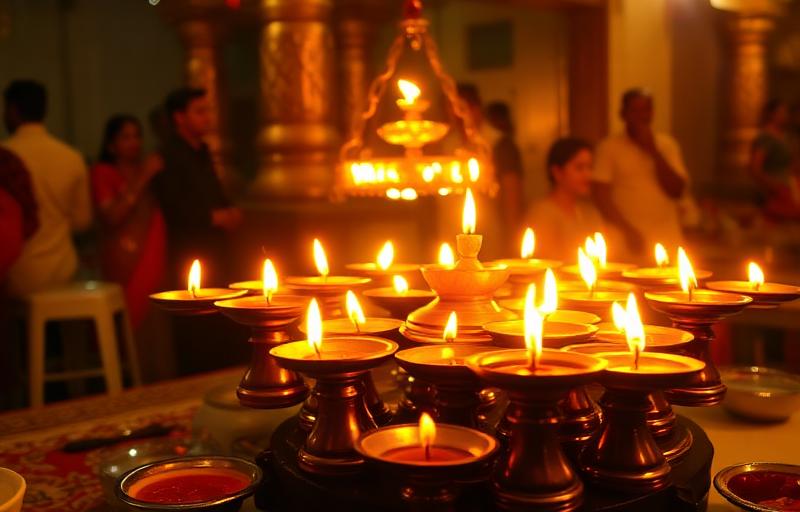
Examples include shankha-pola and alta in many Bengali families, chooda and kalire in many Punjabi weddings, and a thali and hair flowers in many southern traditions. These examples are not rules for every family in a region.
Solah Shringar expresses celebration, beauty and cultural identity. No bride needs to accept discomfort or a fixed sixteen-piece set to prove devotion. Adapt the materials and weight, and choose what is meaningful. Jewellery does not medically regulate the uterus, pituitary gland or circulation. For ritual preparation beyond adornment, see our puja checklist.
Quick Answers
Must a bride wear all sixteen items?+
No universal set is compulsory. Follow your family’s ceremony and your comfort and preference.
When should sindoor be applied?+
For a bride, at the wedding ritual’s prescribed moment; ask the officiating priest rather than treating it as an ordinary makeup step.
Do these ornaments have proven health benefits?+
Claims of hormonal or reproductive regulation are not established medical advice. Their significance here is cultural and symbolic.
How can heavy jewellery be made more comfortable?+
Trial the full outfit, use appropriate support and lighter alternatives, and remove or adjust items that cause pain.
About the author
Anjali Mehta · Editor, M.A. Religious Studies
Anjali is the managing editor for Vandnaa and oversees the festival and vrat coverage. She holds an M.A. in Religious Studies and reviews every published article for accuracy, accessibility, and tradition-fidelity.
Meet the Vandnaa editorial team →Explore on Vandnaa
Related Articles
16 Shringar List: All Solah Shringar Items and Their Meaning
9 min read
Kundli Matching for Marriage: 36 Gunas Meaning Explained
9 min read
16 Sanskars: Hindu Rituals from Birth to Death Explained
11 min read
Vat Savitri Vrat 2026: Date, Katha, Puja Vidhi & The 7 Rules Every Married Woman Must Follow
10 min read
Karwa Chauth 2026: Date, Vrat Vidhi, Moon Timing & Complete Katha for Husband's Long Life
10 min read
Tilak Meaning: Red, White, Yellow, Sandalwood - What Each Tilak Symbolizes & When to Wear
8 min read
Tulsi Vivah 2026: Date, Katha, Puja Vidhi & Why This Marriage Begins Wedding Season
9 min read