About Aarti Kunj Bihari Ki
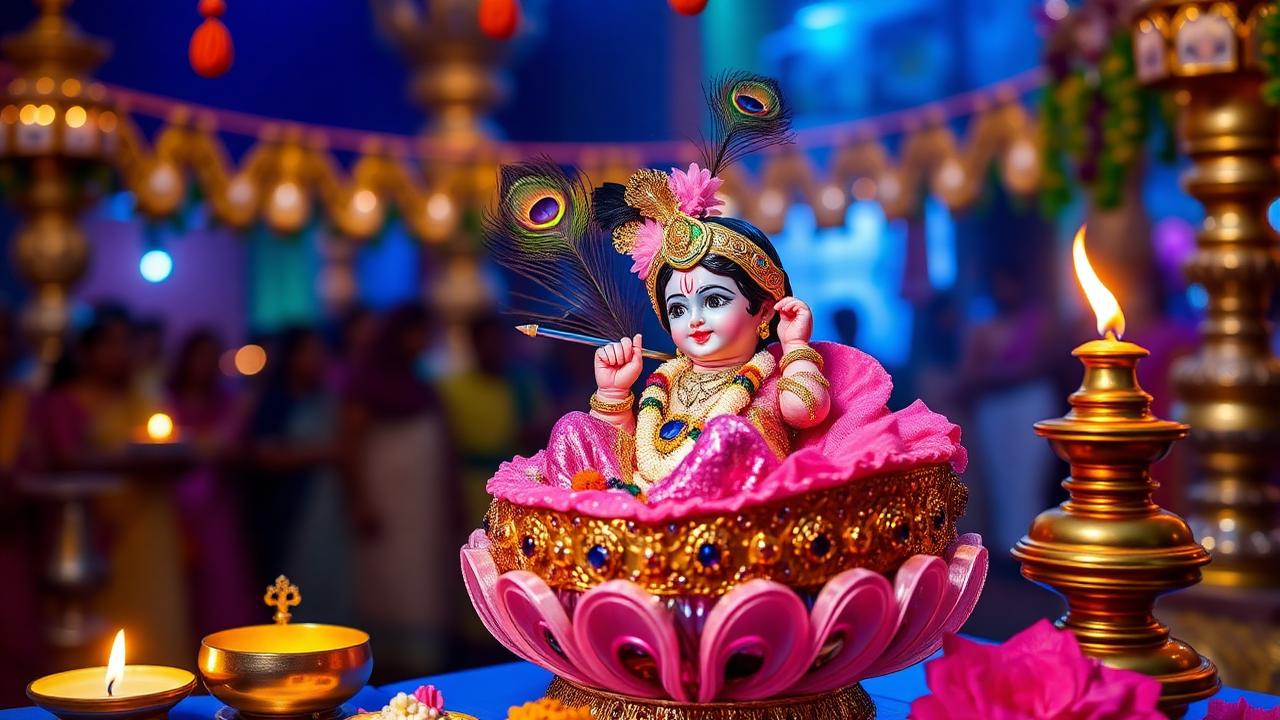
Aarti Kunj Bihari Ki is the most beloved aarti of Lord Krishna, here addressed as Kunj Bihari - the one who wanders and plays in the groves (kunj) of Vrindavan. It is sung at the close of Krishna puja, on Janmashtami, on Wednesdays, and in temples of Banke Bihari and other Krishna forms.
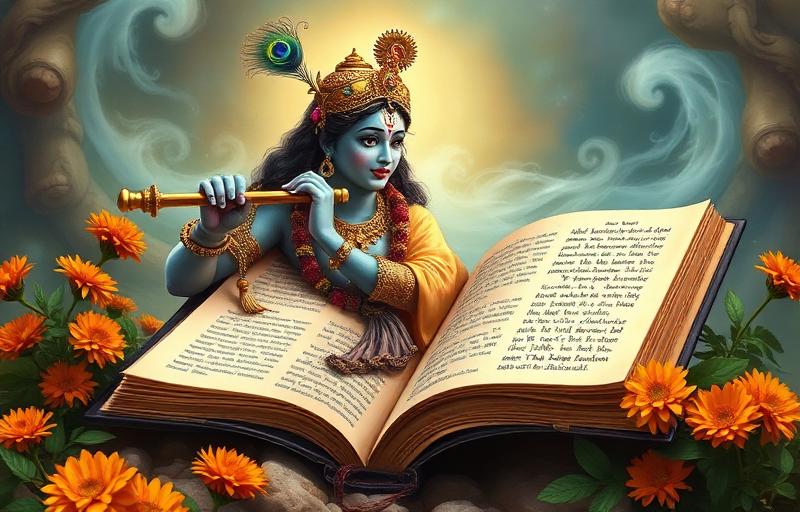
Written in beautiful Braj-flavoured Hindi, the aarti pictures Krishna's enchanting form - his peacock-feather crown, his flute, his sweet smile and his divine play (leela) with the gopis on the banks of the Yamuna. Singing it fills the heart with the joy of Krishna bhakti.
Aarti Kunj Bihari Ki - Full Lyrics
Aarti Kunj Bihari Ki (in Devanagari):
आरती कुंजबिहारी की, श्री गिरधर कृष्ण मुरारी की॥ आरती कुंजबिहारी की, श्री गिरधर कृष्ण मुरारी की॥
गले में बैजन्ती माला, बजावै मुरली मधुर बाला। श्रवण में कुण्डल झलकाला, नन्द के आनन्द नन्दलाला। गगन सम अंग कान्ति काली, राधिका चमक रही आली। लतन में ठाढ़े बनमाली, भ्रमर सी अलक, कस्तूरी तिलक, चन्द्र सी झलक। ललित छवि श्यामा प्यारी की, श्री गिरधर कृष्ण मुरारी की॥
कनकमय मोर मुकुट बिलसै, देवता दरसन को तरसैं। गगन सों सुमन रासि बरसै, बजे मुरचंग, मधुर मिरदंग, ग्वालिन संग। अतुल रति गोप कुमारी की, श्री गिरधर कृष्ण मुरारी की॥
जहाँ ते प्रकट भई गंगा, सकल मन हारिणि श्री गंगा। स्मरन ते होत मोह भंगा, बसी शिव सीस, जटा के बीच, हरै अघ कीच। चरन छवि श्रीबनवारी की, श्री गिरधर कृष्ण मुरारी की॥
चमकती उज्ज्वल तट रेनू, बज रही वृन्दावन बेनू। चहुँ दिसि गोपि ग्वाल धेनू, हँसत मृदु मन्द, चाँदनी चन्द, कटत भव फंद। टेर सुन दीन दुखारी की, श्री गिरधर कृष्ण मुरारी की॥
आरती कुंजबिहारी की, श्री गिरधर कृष्ण मुरारी की॥
Meaning of the Aarti
The refrain hails the aarti of Kunj Bihari - Shri Girdhar Krishna Murari, the lifter of Govardhan and slayer of the demon Mura. The first verse describes Krishna wearing a Baijanti garland, playing his sweet flute, his earrings glinting, the joy of Nand, dark and radiant as the sky, with Radha shining at his side.
The next verses picture his golden peacock-feather crown that even the gods long to behold, flowers raining from the sky, and the music and dance with the gopis on the Yamuna's banks. The aarti even recalls the Ganga flowing from his feet, and ends praying that Krishna, hearing the call of the poor and distressed, will cut the bonds of worldly attachment (bhav-phand) and grant his grace.
When to Sing & Benefits
- Janmashtami: It is a central aarti of Krishna's birth night, sung after the midnight abhishek and bhog.
- Daily: Sing it at the close of morning or evening Krishna puja, holding a lit ghee or camphor lamp.
- Wednesdays and Ekadashi: Days dear to Krishna; the aarti is especially fitting then.
Benefits:
- Deepening of Krishna bhakti and love in the heart
- Peace, joy and release from worldly attachment (bhav-phand)
- A calm, devotional and contented mind
- The grace of Kunj Bihari for the home and family
Sing slowly with feeling, picturing Krishna's enchanting form in Vrindavan; the bhava (emotion) is the soul of this aarti.
Quick Answers
Who is the Aarti Kunj Bihari Ki dedicated to?+
It is dedicated to Lord Krishna, addressed as Kunj Bihari - the one who plays in the groves of Vrindavan - and as Shri Girdhar Krishna Murari, the lifter of Govardhan.
What does Kunj Bihari mean?+
Kunj Bihari means 'the one who wanders and plays in the kunj (groves)' of Vrindavan. It is a loving name for Krishna, recalling his divine play with Radha and the gopis.
When is Aarti Kunj Bihari Ki sung?+
It is sung on Janmashtami after the midnight worship, at the close of daily Krishna puja, on Wednesdays and Ekadashi, and in temples of Banke Bihari and other Krishna forms.
Who is Murari in the aarti?+
Murari is a name of Krishna meaning 'the enemy of the demon Mura', whom he slew. The aarti combines it with Girdhar (lifter of Govardhan) to praise Krishna's divine deeds.
About the author
Acharya Vinaya Kapoor · M.A. Sanskrit, Mantra & Stotra Studies
Acharya Vinaya holds an M.A. in Sanskrit from Banaras Hindu University and writes the mantra and stotra commentary on Vandnaa. Her focus is on accurate pronunciation, traditional context, and helping modern readers connect with classical texts.
Meet the Vandnaa editorial team →