Incense as an Offering in Puja
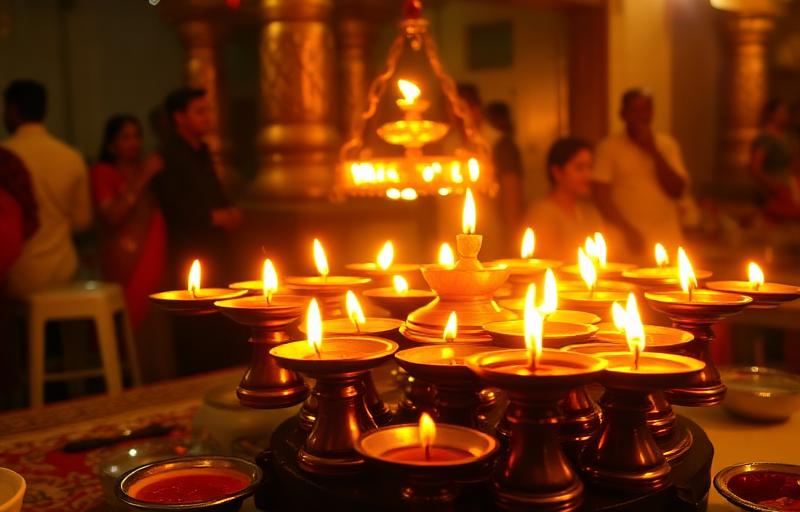
Offering dhoop (incense) is part of the traditional panchopachara and shodashopachara puja - the set of respectful offerings made to a deity. The standard order is dhup, deep, naivedya - incense, lamp, food. The fragrant smoke is offered to please the deity and to purify the space.
Two common forms are the agarbatti (incense stick) and dhoop (a thicker stick or cone, often without a bamboo core). Both carry the same purpose - to fill the air around the deity with sacred fragrance and to lift the mind into a devotional, focused mood.
The Spiritual Significance
Incense carries layers of meaning in worship:
- An offering to the senses of the divine: Just as we offer light to the eyes and food to the deity, fragrance is offered to please the divine presence.
- A symbol of surrender: The stick burns itself away to spread sweetness, teaching the devotee to dissolve the ego and offer the self in selfless seva.
- Rising prayer: The upward curl of smoke is seen as the soul's prayer rising toward the divine.
- Purifying the atmosphere: The fragrant smoke is believed to cleanse the space of dullness and negativity and to create a sattvic, peaceful vibration for worship.
- Focusing the mind: The scent gently anchors attention, making it easier to settle into japa, dhyana or aarti.
Agarbatti vs Dhoop - The Difference
- Agarbatti (incense stick): A thin bamboo stick coated with fragrant paste. It is light, easy to use daily, and gives a gentle, lasting fragrance - ideal for the home shrine.
- Dhoop: A thicker, denser stick or cone, traditionally made of natural resins, herbs, ghee and woods, often without a bamboo core. It gives a stronger, more concentrated fragrance and dense smoke - favoured for aarti, special pujas and purifying a larger space.
- Dhoop on coal/havan: In havan and traditional worship, loose dhoop powder or guggul is sprinkled on burning coal or cow-dung cakes, releasing a thick, purifying smoke. This is the oldest form of the offering.
Both are pure. Many homes use an agarbatti for daily puja and a dhoop stick or havan dhoop on festivals and special occasions.
How to Offer Incense Correctly
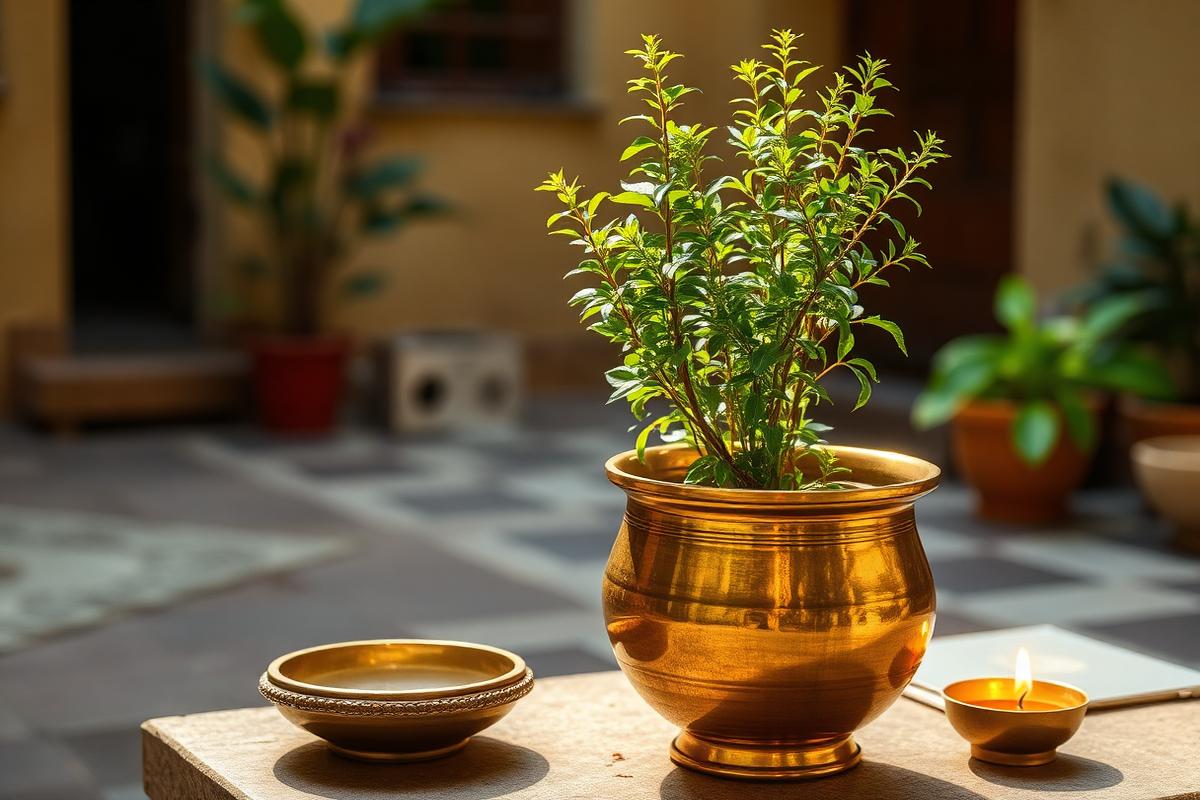
- Order: Light the diya first, then the incense from the diya's flame. In aarti the order is dhup, deep, then naivedya.
- Holding: Hold the burning incense in the right hand and circle it before the deity in a clockwise motion, gently, three or seven times, as part of the aarti.
- Placement: After offering, place the incense in a stand or holder, not directly on the deity or altar cloth. Never let ash fall on the idol.
- Quantity: One or two sticks are enough for daily puja; the intention matters more than the number.
- Cleanliness: Use a proper agarbatti stand to catch the ash, keep the shrine tidy, and ensure the room has a little ventilation.
- Extinguishing: Wave the stick gently to put it out rather than blowing on it.
Common Questions From Devotees
Why is incense offered in Hindu puja?+
Incense (dhup) is one of the traditional puja offerings, made to please the deity with fragrance and to purify the space. The rising smoke symbolises prayer reaching the divine, and the burning stick teaches selfless surrender as it spreads sweetness while consuming itself.
What is the difference between agarbatti and dhoop?+
Agarbatti is a thin incense stick on a bamboo core with a gentle fragrance, ideal for daily puja. Dhoop is a thicker stick or cone of natural resins, herbs and woods, often without a bamboo core, giving a stronger, denser smoke favoured for aarti and special pujas.
How do you offer incense during aarti?+
Light the diya first, then the incense from its flame. Hold the burning stick in the right hand and circle it gently before the deity in a clockwise direction, three or seven times. Afterwards place it in a stand, never letting ash fall on the idol.
How many incense sticks should be lit for puja?+
One or two sticks are enough for daily worship. Tradition values the devotion and cleanliness of the offering over the number. For larger pujas or festivals, some use dhoop or havan dhoop for a stronger purifying fragrance.
About the author
Pandit Mahesh Trivedi · Festival Traditions & Panchang
Pandit Mahesh leads the festival-date and Panchang content on Vandnaa. He cross-references multiple regional panchangs (Drik, Vaishnava, Bengali, Marathi) for every festival date published on the site.
Meet the Vandnaa editorial team →