What Is Chandan and Why It Is Sacred
Chandan (sandalwood) is the fragrant, cooling paste made by rubbing sandalwood on a stone (sil) with a little water. Few items are as dear to Hindu worship: it is offered to deities, smeared on the idol, applied as tilak on the forehead, and used in incense and havan.
Chandan is loved for two reasons together - its divine fragrance and its natural coolness. Tradition sees it as a substance that soothes the body, calms the mind and pleases the deities, which is why it appears in almost every puja, from a simple home aarti to grand temple worship.
Spiritual and Practical Significance
- Coolness for the deity and the devotee: Chandan is offered to cooling deities and applied to soothe the energy of the body. A chandan tilak is believed to keep the mind calm and steady.
- The third eye (ajna): Applied between the eyebrows, chandan is said to cool the ajna chakra, aid concentration in meditation and japa, and reduce restlessness of mind.
- Fragrance as offering: Its sweet, lasting scent is offered to please the deity and to create a satvic, peaceful atmosphere.
- A mark of devotion and purity: A chandan tilak marks the wearer as one turned toward the divine; for Vaishnavas the urdhva-pundra and for Shaivas the tripundra (with vibhuti) carry deep sampradaya meaning.
- Practical: Sandalwood is naturally cooling and was traditionally valued for soothing the skin in hot climates, which deepened its sacred use.
White Chandan vs Red Chandan
Two main kinds of chandan are used in worship, each with its own associations:
- White / yellow chandan (safed/peela chandan): The cool, fragrant sandalwood paste. It is associated with Vishnu and his avatars (Ram, Krishna), with peace and sattva, and is the chandan most used for tilak and offering.
- Red chandan (raktachandan / lal chandan): A deeper red sandalwood, less fragrant, associated with the Devi (Shakti) and the Sun (Surya). It is offered to the goddess and used in her tilak and worship.
General usage:
- Vishnu, Krishna, Ram: white/yellow chandan, often in an urdhva-pundra (vertical) tilak.
- Devi, Durga, Lakshmi: red chandan or kumkum.
- Shiva: vibhuti (sacred ash) tripundra; chandan is also offered.
Always follow the practice of your family deity and sampradaya.
How to Make and Apply Chandan
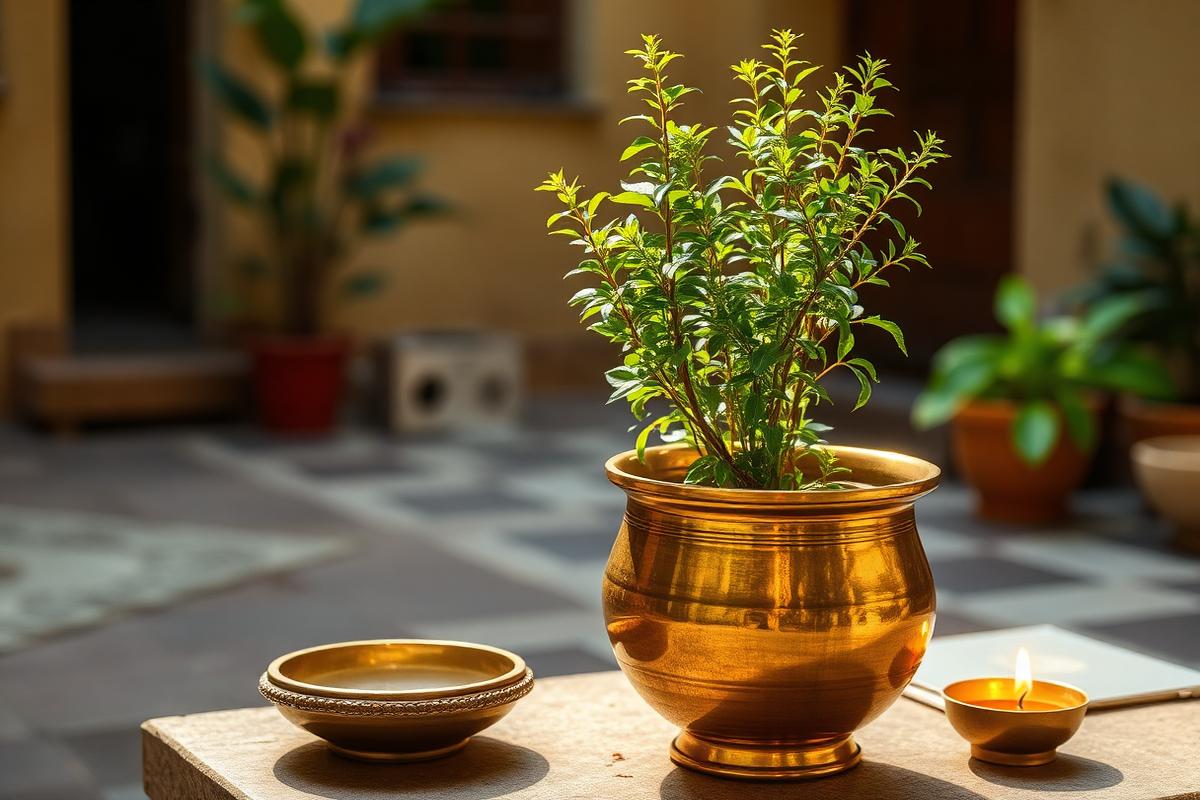
- Making the paste: Rub a piece of sandalwood on a clean stone (sil) with a few drops of water, or clean Gangajal, until a smooth paste forms. Ready-made chandan powder mixed with water or rosewater also works.
- Offering to the deity: With the ring finger (anamika), apply a little chandan to the deity's feet or forehead while reciting the deity's name.
- Applying tilak: Apply with the ring finger between the eyebrows; the ring finger is traditionally used for chandan tilak. Use the thumb upward for an urdhva tilak.
- For oneself: A chandan tilak before puja, meditation or stepping out is considered auspicious and cooling.
- Care: Keep the chandan, sil and finger clean. Make fresh paste for puja where possible, and store the rest covered.
Reader Questions Answered
Why is chandan applied between the eyebrows?+
The point between the eyebrows is the ajna chakra or third eye. Chandan, being cooling, is believed to calm this point, steady the mind and aid concentration in meditation and japa. It is also a visible mark of devotion and purity.
What is the difference between white and red chandan?+
White or yellow chandan is the cool, fragrant sandalwood paste associated with Vishnu, Ram and Krishna, used most for tilak. Red chandan (raktachandan) is a deeper, less fragrant sandalwood associated with the Devi and Surya, offered in goddess worship.
Which finger is used to apply chandan tilak?+
The ring finger (anamika) is traditionally used to apply chandan tilak, as it is considered gentle and auspicious. The thumb may be used to draw an upward urdhva tilak. Keep the finger clean before applying.
How is chandan paste made for puja?+
Rub a piece of sandalwood on a clean stone (sil) with a few drops of water or Gangajal until a smooth paste forms. Ready-made chandan powder mixed with water or rosewater can also be used. Fresh paste is preferred for puja.
About the author
Pandit Mahesh Trivedi · Festival Traditions & Panchang
Pandit Mahesh leads the festival-date and Panchang content on Vandnaa. He cross-references multiple regional panchangs (Drik, Vaishnava, Bengali, Marathi) for every festival date published on the site.
Meet the Vandnaa editorial team →