What Is an Akhand Jyoti - The Unbroken Flame
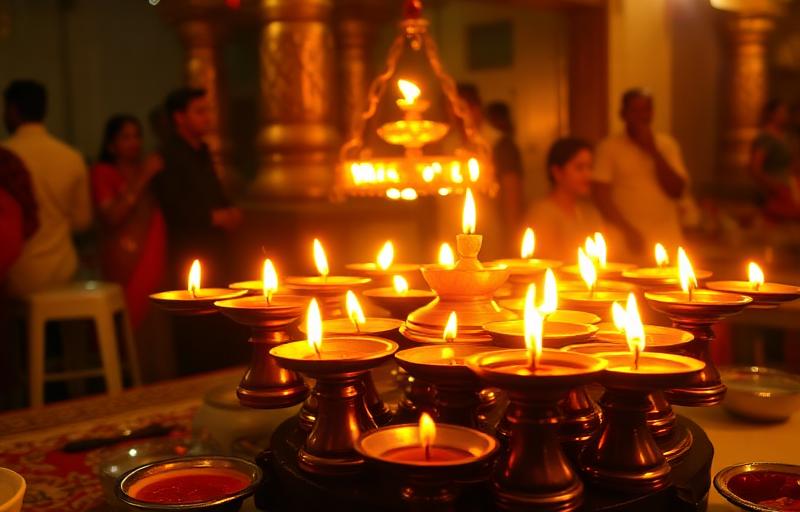
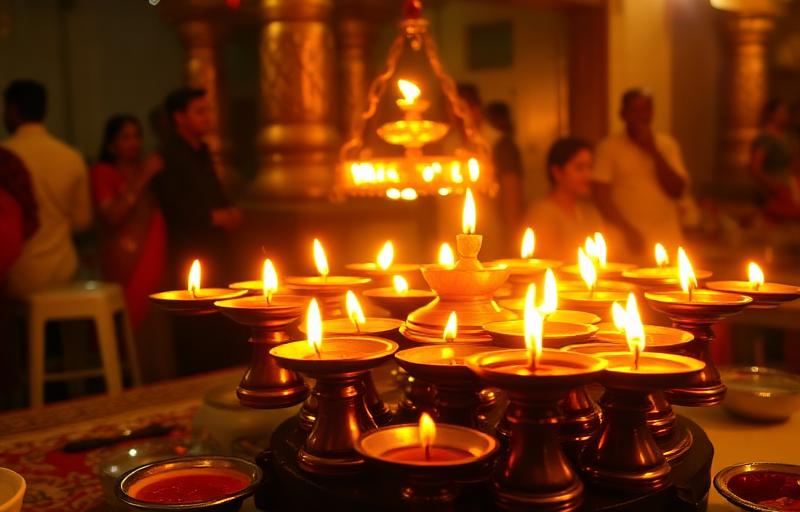
Akhand Jyoti literally means unbroken flame - a diya that is lit with a formal sankalp (vow) and then kept burning continuously, without going out even once, for a fixed period. The most familiar occasion is Navratri, when lakhs of households keep an Akhand Jyoti before Maa Durga for all nine days and nights. Devotees also light one during a special anushthan, a long path of the Ramcharitmanas, a family member's recovery, or any deeply held prayer. What makes it different from the daily diya is the commitment: an ordinary lamp burns for an aarti and rests; the Akhand Jyoti must be fed, trimmed, shielded and watched like a living guest. That continuous care is itself the worship. The lamp becomes a physical form of the devotee's promise: just as this flame does not break, my faith and my prayer will not break.
Significance - Why an Unbroken Flame Pleases the Divine
In Hindu thought, the flame is not a decoration; it is Agni, the witness of every vow, and jyoti, the symbol of the divine light within. Tamaso ma jyotirgamaya - lead me from darkness to light - is the prayer every diya silently repeats. An Akhand Jyoti deepens this symbolism in three ways. First, continuity: gods are said to be moved less by grand gestures than by steadiness, and a flame tended at 3 a.m. proves steadiness like nothing else. Second, presence: as long as the jyoti burns, the deity is treated as ceremonially present in the house, which is why the home stays especially pure during those days. Third, surrender: keeping the flame requires the family to organise its sleep, travel and routine around the lamp - a small, sweet dethroning of our own convenience in favour of the Divine.
Ghee or Oil - What to Burn and How Much
Both ghee and oil are accepted; tradition only asks that you choose with understanding. Cow ghee is considered the most sattvik fuel, associated with Lakshmi and placed to the deity's right. Sesame or mustard oil is also fully traditional, often used for longer durations since it is economical, and that lamp sits to the deity's left. Practical points: 1. A nine-day Navratri Akhand Jyoti consumes a surprising amount - keep at least 2-3 kg of ghee or an equivalent oil stock ready so you never run dry at midnight. 2. Top up before the level drops low - pour gently along the lamp's inner wall, never over the flame. 3. Use a large, deep lamp (pital or mitti) so refills are needed less often. 4. Do not mix ghee and oil in the same lamp; choose one and stay with it for the entire sankalp.
Wick Care - The Rakshasutra Batti and Trimming Rules

The wick (batti) is the heart of the Akhand Jyoti, and tradition gives it special attention. Many devotees twist the wick from rakshasutra - the red-yellow kalava thread - because the protective thread is felt to guard the flame the way it guards a wrist; others use a thick cotton wick. Either way, make it long and substantial, coiled in the lamp with enough length to last days, so the wick itself never needs replacing mid-vow. Care rules: 1. Never change the wick during the sankalp period; only adjust it. 2. As carbon builds at the tip, trim or nudge it gently with a wooden stick or a second wick - not with bare fingers, and never so roughly that the flame dies. 3. Keep a companion diya lit nearby during any adjustment; if the main flame falters, it can be relit instantly from this child flame without the jyoti being deemed broken.
Protecting the Flame - Wind, Glass Cover and Constant Presence
Most Akhand Jyotis that fail are defeated by a draft or an empty house, and both are preventable. Wind protection: place the lamp away from windows, doors, fans and coolers; switch the fan off in the puja room or shield the lamp inside a glass chimney or lantern cover with ventilation gaps, which tradition fully permits. Constant presence is the second pillar: an Akhand Jyoti should never be left alone in a locked house. Someone from the family should always be home; traditionally members take turns, and night duty is shared so the lamp is checked every few hours. If the whole family genuinely must leave, arrange for a trusted relative to sit with the jyoti, or do not take the sankalp that year - tradition respects honest capacity more than ambitious vows. Keep matchsticks, ghee and spare cotton beside the lamp so 2 a.m. care needs no searching.
If the Jyoti Goes Out - Kshama Prarthana and Relighting
First, the most important sentence in this guide: an extinguished jyoti is not a curse, an omen or a divine rejection. Lamps go out because of wind, wax-hardened wicks and human tiredness - not because God is displeased. Shastra and sant tradition agree that bhakti is judged by the heart, not by accidents. If your Akhand Jyoti goes out: 1. Do not panic and do not let anyone in the house spin fearful stories. 2. Fold your hands and offer a simple kshama prarthana: "He Prabhu, kshama karein - forgive this lapse in my seva; my sankalp stands unbroken." 3. Relight the lamp immediately, ideally from another diya or a fresh flame, after adjusting the wick and ghee. 4. Continue the observance exactly as before; many traditions also suggest offering one extra mala of japa as loving compensation. The vow lives in your devotion. A flame can flicker; faith need not.
Where to Place It, How Long to Keep It, and the Real Benefit
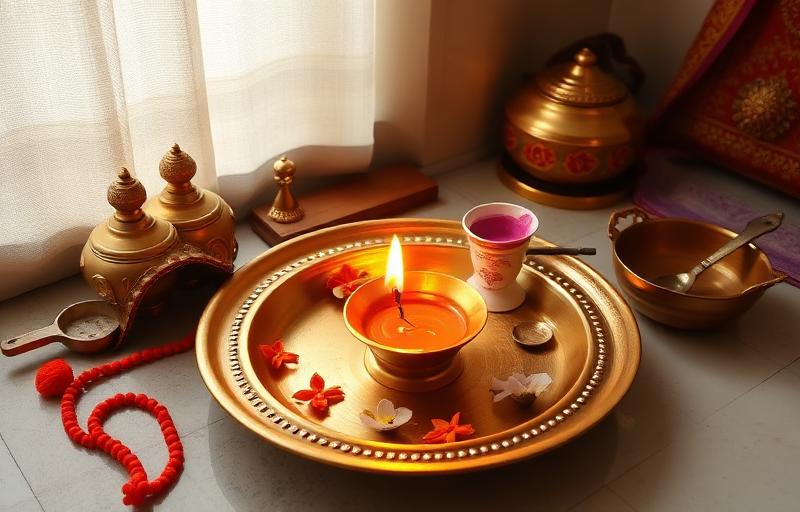
Placement: the Akhand Jyoti belongs in the puja sthan, in front of or slightly to the right of the deity, on a clean raised chowki over rice grains or an ashtadal (eight-petal) design. The agneya kon - the south-east corner, direction of Agni - is considered ideal for the lamp's position in the room. Keep the space spotless; the family observes extra purity (sattvik food, no leather near the mandir) while the jyoti burns. Duration: most commonly nine days of Navratri; sankalp-based jyotis may run for a saptah (7 days), a month, or until a specific path or anushthan concludes. End it formally: aarti, gratitude, and let the flame extinguish naturally as the ghee completes - never blow it out. Benefits: tradition speaks of peace, protection and Lakshmi's grace in a home where the jyoti burns. The deeper gift is what nine days of tending one flame quietly builds in you - vigilance, humility and a heart that keeps its promises.
Frequently Asked Questions
Can I use oil instead of ghee for an Akhand Jyoti?+
Yes. Cow ghee is the most sattvik choice and that lamp sits to the deity's right, but sesame or mustard oil is fully traditional and practical for long durations, placed to the deity's left. Choose one fuel and keep it for the whole sankalp - do not mix ghee and oil in the same lamp midway.
What should I do if the Akhand Jyoti goes out?+
Do not fear - it is not a bad omen. Offer a short kshama prarthana with folded hands, asking forgiveness for the lapse in seva, then relight the lamp immediately after fixing the wick and ghee, and continue the observance as before. Many devotees add one extra mala of japa as loving compensation. The sankalp lives in your heart, not in the accident.
Can the Akhand Jyoti be left alone at night or in an empty house?+
No. An Akhand Jyoti should never burn in a locked, empty house - both for tradition and for fire safety. Family members traditionally take turns, checking the lamp every few hours through the night. If no one can stay home during the period, it is wiser not to take the sankalp that year; tradition values honest capacity over ambitious vows.
Where should the Akhand Jyoti be placed in the house?+
In the puja sthan, on a clean raised chowki over rice grains or an ashtadal design, before or slightly to the right of the deity. The agneya kon (south-east), the direction of Agni, is considered ideal. Keep it away from fans, windows and doorways, and a glass chimney cover with air gaps is permitted for wind protection.
What is the rakshasutra wick and is it compulsory?+
Many devotees twist the Akhand Jyoti wick from kalava (rakshasutra), the red-yellow sacred thread, feeling that the protective thread guards the flame as it guards a wrist. It is a beloved custom, not a compulsion - a thick cotton wick is equally valid. What matters is making the wick long and substantial so it never needs replacing mid-sankalp.
How is the Akhand Jyoti concluded after Navratri?+
End it with gratitude, never with breath. After the final aarti and kanya pujan, stop adding ghee and let the flame complete itself naturally as the fuel finishes. Blowing it out is avoided as disrespect to Agni. The remaining ghee-soaked wick ash can be placed at a tulsi plant or in flowing water, and the lamp washed and kept for next year.
About the author
Pandit Mahesh Trivedi · Festival Traditions & Panchang
Pandit Mahesh leads the festival-date and Panchang content on Vandnaa. He cross-references multiple regional panchangs (Drik, Vaishnava, Bengali, Marathi) for every festival date published on the site.
Meet the Vandnaa editorial team →