
What Is an Akhand Ramayan Path?
An Akhand Ramayan path is the continuous, uninterrupted recitation of the entire Ramcharitmanas - Tulsidas's beloved retelling of the Ramayana. 'Akhand' means unbroken, so the path flows from start to finish without a pause, usually completed within about 24 hours.
Because the full text is long, it is generally read by a group of devotees taking turns, so the recitation never stops. The continuous chanting of Ram katha is believed to fill the home with sacred vibrations, peace and the grace of Lord Rama. Families organise it for festivals, new beginnings, fulfilment of a vow, or simply to invite blessings and harmony.
Preparing for the Path
Good preparation keeps the path smooth and uninterrupted:
- Choose an auspicious day: Ram Navami, Hanuman Jayanti, a Tuesday or Saturday, or any day suggested by the family priest.
- Gather readers: Invite family and devotees who can take turns reciting so the path never stops. Decide the reading order in advance.
- Clean a sacred space: Prepare a clean room with a chowki/altar, an idol or picture of Shri Ram, Sita, Lakshman and Hanuman, and a copy (or copies) of the Ramcharitmanas.
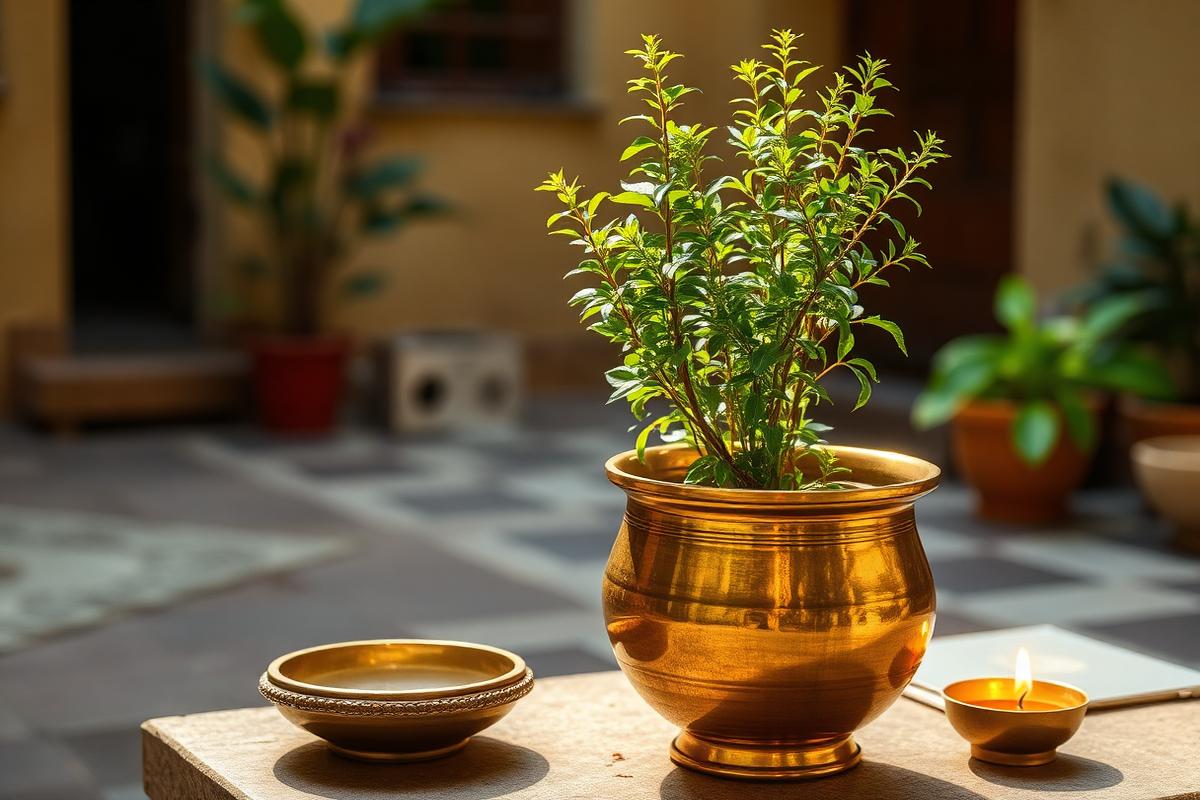
- Puja items: Akhand jyoti (a continuous ghee lamp), incense, flowers, tulsi, kumkum, akshat, fruit, and bhog/prasad.
- Practicalities: Plan for water, simple satvik food for the readers, and a comfortable seating arrangement, as the path runs through the night.
Akhand Ramayan Path Vidhi
1. Sankalp & puja: On the chosen morning, bathe, light the akhand jyoti, and take a sankalp stating the purpose of the path. Begin with Ganesh vandana and worship of Shri Ram and Hanuman. 2. Start the path: Begin reciting the Ramcharitmanas from the very beginning (Bal Kand), maintaining a clear, devotional pace. 3. Take turns: As one reader tires, the next continues seamlessly so the recitation never breaks - this unbroken flow is the heart of an 'akhand' path. 4. Keep the jyoti burning: Ensure the ghee lamp stays lit throughout and the altar is tended. 5. Complete all kands: Read through Ayodhya, Aranya, Kishkindha, Sundar, Lanka and Uttar Kand to the end. 6. Hawan & aarti: On completion, many perform a small hawan, sing the Ramayan/Hanuman aarti, offer bhog, and conclude with prayers. 7. Bhandara/prasad: Distribute prasad and, if possible, hold a bhandara (community meal) to share the blessings.
Benefits Believed to Follow
Devotees undertake the Akhand Ramayan path with faith in these traditional blessings:
- Peace and positivity in the home through continuous Ram katha.
- Removal of obstacles, fear and negativity, and protection for the family.
- Fulfilment of vows (manokamna) and auspicious new beginnings.
- Strengthening of devotion (bhakti) and a calmer, more focused mind.
- Family togetherness, as relatives and devotees gather to recite and serve.
As with all paths, the true fruit is said to come from shraddha (sincere faith) and devotion, not merely the act. If a full akhand path is not possible, reading the Ramcharitmanas in parts over several days, or doing a Sundarkand path, is also greatly cherished.
What People Ask Most
How long does an Akhand Ramayan path take?+
An Akhand Ramayan path is usually completed within about 24 hours of continuous recitation. Because the Ramcharitmanas is long, devotees take turns reading so the path never stops until all kands are finished.
Can an Akhand Ramayan path be done at home?+
Yes. With a clean sacred space, an akhand jyoti, a copy of the Ramcharitmanas and enough devotees to take turns reading, an Akhand Ramayan path can be organised at home. Many families do so on Ram Navami or other auspicious days.
What if a continuous akhand path is not possible?+
If a full akhand path is not possible, the Ramcharitmanas can be read in parts over several days (a navah or sapttah path), or a Sundarkand path can be done. Devotion and sincere faith matter most, so any heartfelt recitation is considered auspicious.
What is offered at the end of the path?+
On completion, many perform a small hawan, sing the Ramayan and Hanuman aarti, offer bhog (often kheer or fruit) to Lord Ram, and distribute prasad. Some also hold a bhandara, a community meal, to share the blessings of the path.
About the author
Pandit Ravindra Sharma · Vedic Rituals & Bhakti, 22+ years
Pandit Ravindra is the Vandnaa editorial team's resident specialist on aarti, chalisa, and daily devotion. He has performed home and temple pujas across Varanasi and Delhi for over two decades and contributes the bhakti-focused articles on this site.
Meet the Vandnaa editorial team →