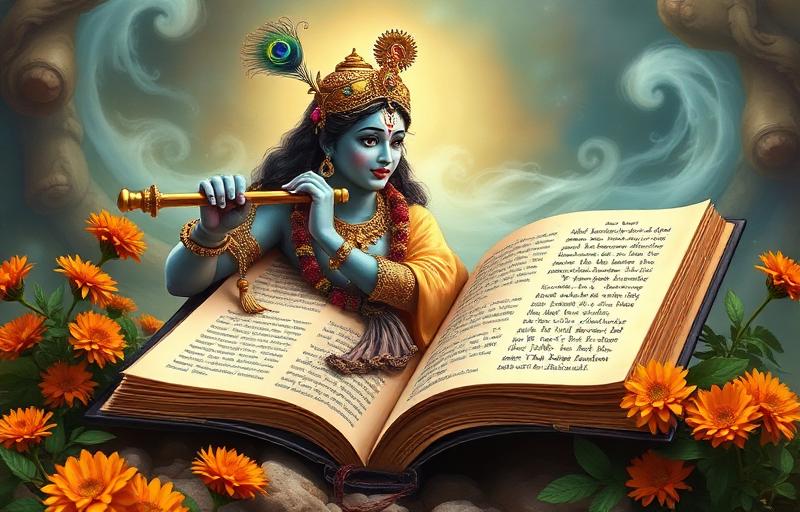
What Is the Ram Raksha Stotram?
The Ram Raksha Stotram is a celebrated protective hymn (kavacham) dedicated to Lord Rama. Raksha means protection, and the stotram invokes Rama to guard every part of the devotee's body and life, from head to foot, against all fear and danger.
By tradition it was revealed to the sage Budha Kaushika in a dream by Lord Shiva himself. It is recited daily by countless devotees, especially in Maharashtra, for protection, courage and peace.
Key Verses with Meaning
The famous protective verse: Ramo Rajamanih Sada Vijayate Ramam Ramesham Bhaje Ramenabhihata Nishacharachamu Ramaya Tasmai Namah Ramannasti Parayanam Parataram Ramasya Daso Asmyaham Rame Chittalayah Sada Bhavatu Me Bho Rama Mamuddhara
Meaning: Rama, the jewel among kings, is ever victorious; I worship Rama, the lord of Lakshmi. By Rama the hordes of demons were destroyed; to that Rama I bow. There is no refuge higher than Rama; I am Rama's servant; may my mind ever dwell in Rama - O Rama, uplift me.
The well-loved closing prayer: Apadamapahartaram Dataram Sarvasampadam Lokabhiramam Shriramam Bhuyo Bhuyo Namamyaham
Meaning: To the remover of all calamities, the giver of all prosperity, the delight of the world - to Sri Rama I bow again and again.
The full stotram has around 38 verses that place Rama's protection over each limb and offer the matchless power of his name.
Benefits of the Ram Raksha Stotram
- Protection: Acts as a kavach (armour), believed to shield the body, home and family from fear, enemies, illness and unseen dangers.
- Courage & peace: Calms anxiety, removes nightmares and steadies the mind.
- Removal of obstacles: Said to clear difficulties and bring success in righteous efforts.
- Power of Ram naam: Carries the supreme strength of Rama's name, considered equal to chanting his thousand names.
- Spiritual upliftment: Deepens Ram bhakti and turns the heart toward dharma.
Many recite it every morning, before travel, or for the protection of children and the family.
How to Chant the Ram Raksha Stotram
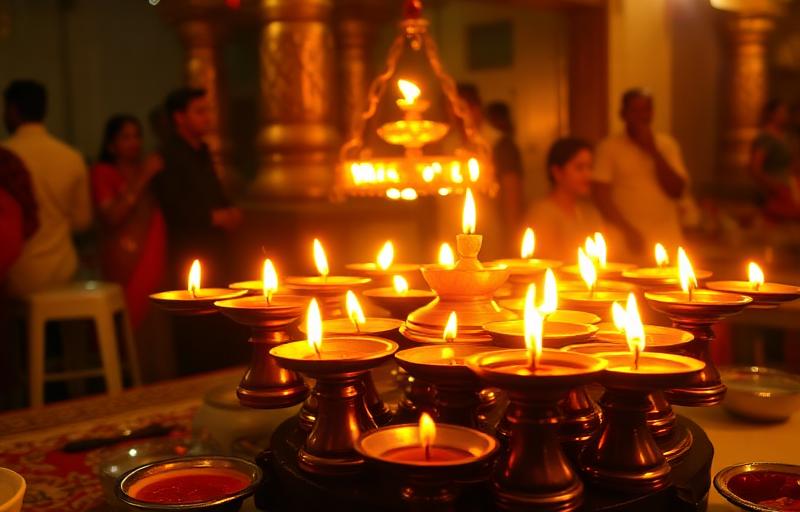
1. Time: Best recited in the morning after a bath, or in the evening; Ram Navami, Tuesdays and the month of Chaitra are especially auspicious. 2. Seat: Sit on a clean asan before an image of Lord Rama with Sita, Lakshmana and Hanuman, and light a ghee lamp. 3. Recite the stotram with clear pronunciation and a calm, devoted mind. Beginners can start with the famous verses ('Ramo Rajamanih...' and 'Apadamapahartaram...'). 4. Close with 'Shri Ram Jai Ram Jai Jai Ram' and a moment of silent prayer for protection. 5. Make it a steady daily habit - the protective power grows with regular, faith-filled recitation.
Frequently Asked Questions
Who composed the Ram Raksha Stotram?+
By tradition, the Ram Raksha Stotram was revealed to the sage Budha Kaushika in a dream by Lord Shiva. It is one of the most widely recited protective hymns to Lord Rama.
What is the benefit of reciting Ram Raksha Stotram daily?+
Daily recitation is believed to act as a protective armour for the body, home and family, removing fear, obstacles and negativity, while bringing courage, peace and the grace of Lord Rama.
Can beginners chant the Ram Raksha Stotram?+
Yes. Beginners can start with the famous verses 'Ramo Rajamanih...' and 'Apadamapahartaram...' and gradually learn the full stotram. Clear pronunciation and devotion matter most.
When is the best time to recite Ram Raksha Stotram?+
Morning after a bath or in the evening is ideal. Ram Navami, Tuesdays and the month of Chaitra are especially auspicious. Reciting before travel or for family protection is also common.
About the author
Acharya Vinaya Kapoor · M.A. Sanskrit, Mantra & Stotra Studies
Acharya Vinaya holds an M.A. in Sanskrit from Banaras Hindu University and writes the mantra and stotra commentary on Vandnaa. Her focus is on accurate pronunciation, traditional context, and helping modern readers connect with classical texts.
Meet the Vandnaa editorial team →