What Is Akshaya Navami?
Akshaya Navami, popularly known as Amla Navami, falls on the ninth day (Navami) of the bright fortnight of Kartik month, a few days after Devuthani Ekadashi. The word akshaya means 'that which never diminishes', and this day is believed to grant inexhaustible, undying merit for any good deed, worship or charity performed.
The special feature of the day is the worship of the amla (Indian gooseberry) tree, which is considered especially dear to Lord Vishnu and Goddess Lakshmi, and is believed to hold divine presence. Devotees worship the amla tree, often sit and eat a meal beneath it, and offer charity, seeking health, prosperity and lasting spiritual merit. It is a gentle, nature-loving festival that unites devotion to Vishnu with reverence for a sacred, healing tree.
Significance & the Katha
Akshaya Navami carries rich significance in our tradition:
- Inexhaustible merit: Any worship, charity, japa or good deed done on this day is believed to bring akshaya (undiminishing) punya, multiplying its blessings.
- The sacred amla tree: The amla is revered as a form embodying the presence of Lord Vishnu; Goddess Lakshmi is said to reside in it. Worshipping and honouring it is seen as pleasing to them both.
- Health and Ayurveda: The amla is one of the most healing fruits in Ayurveda, so the festival also reflects gratitude for nature's gift of health and long life.
- Beginning of Dwapara Yuga: By tradition, this day is associated with the start of the Dwapara Yuga, adding to its auspiciousness.
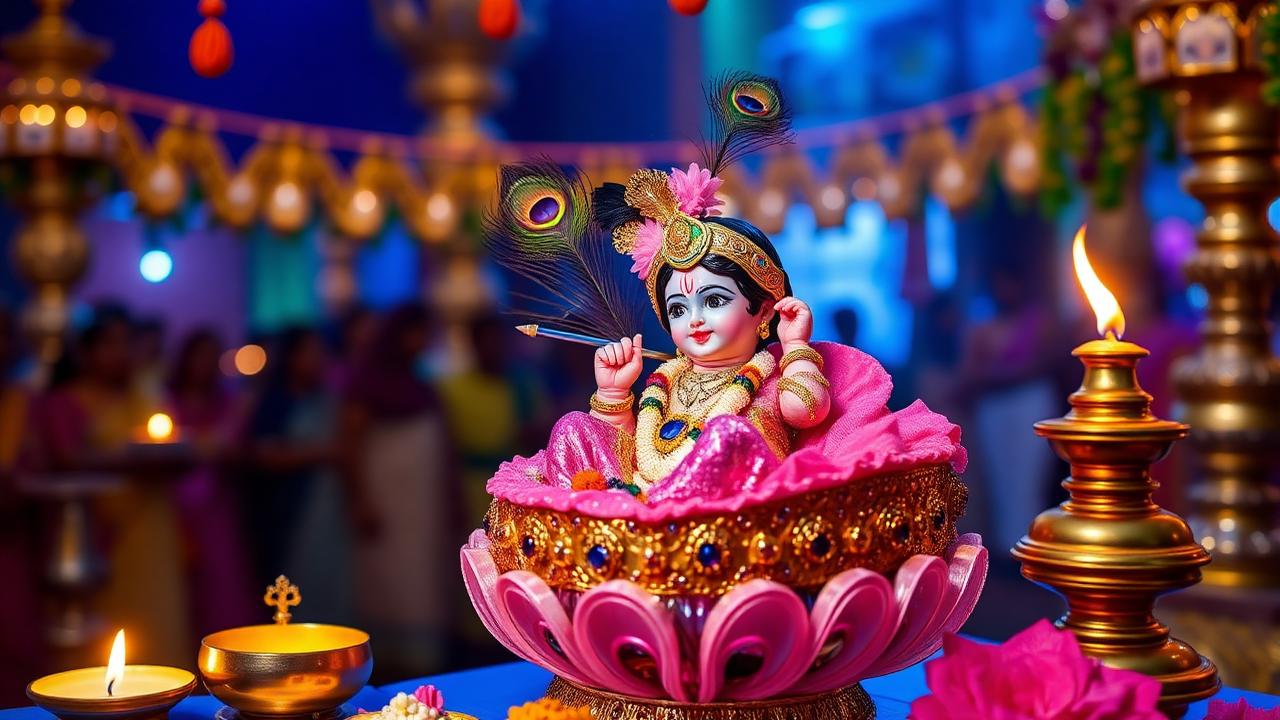
- Krishna and Vrindavan: In Braj, devotees also connect the day with Krishna, visiting Vrindavan and honouring the amla groves.
Stories tell of devotees who, by worshipping the amla tree and giving charity on this day with faith, received lasting prosperity and merit. These are matters of sacred tradition.
Amla Navami Puja Vidhi
A simple traditional way to observe Akshaya Navami:
- Rise early and bathe, and take a sankalp to worship the amla tree and Lord Vishnu with devotion.
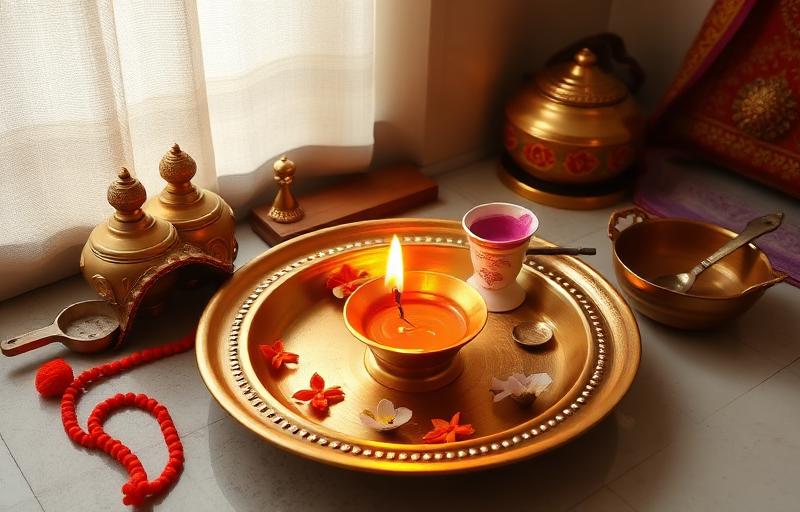
- Worship the amla tree: Visit an amla tree, water its roots, and offer roli, akshat (rice), flowers, a sacred thread wound around the trunk, incense and a diya.
- Prayer and parikrama: Light a diya at the base, perform parikrama (circumambulation) of the tree, and pray to Vishnu and Lakshmi for health, prosperity and merit.
- Eat beneath the tree: A beautiful custom is to cook and share a meal sitting under the amla tree with family, considered highly auspicious.
- Charity (daan): Offer food, clothes or donations to the needy and to Brahmins, as charity on this day is believed to bring inexhaustible merit.
- Consume amla: Many include amla in their food or take it as prasad, honouring its healing goodness.
If you cannot reach an amla tree, worship at home with devotion, keeping an amla fruit and an image of Vishnu. Observe according to your circumstances, with faith at the centre.
Frequently Asked Questions
What is Akshaya Navami or Amla Navami?+
It is a festival on the ninth day of the bright fortnight of Kartik when devotees worship the amla (gooseberry) tree, considered dear to Vishnu and Lakshmi. The word akshaya means 'never diminishing', and any worship or charity done on this day is believed to bring inexhaustible merit.
Why is the amla tree worshipped on this day?+
The amla tree is revered as embodying the presence of Lord Vishnu, with Goddess Lakshmi said to reside in it, so worshipping it is seen as pleasing to them both. The amla is also one of the most healing fruits in Ayurveda, so the day reflects gratitude for nature's gift of health.
What is the custom of eating under the amla tree?+
A beautiful tradition of Amla Navami is to cook and share a meal while sitting beneath the amla tree with family, which is considered highly auspicious and merit-giving. Devotees also water and worship the tree, perform parikrama, offer charity and include amla in their food as prasad.
About the author
Pandit Mahesh Trivedi · Festival Traditions & Panchang
Pandit Mahesh leads the festival-date and Panchang content on Vandnaa. He cross-references multiple regional panchangs (Drik, Vaishnava, Bengali, Marathi) for every festival date published on the site.
Meet the Vandnaa editorial team →