Daan - Giving as Dharma, Not Charity
In Sanatan Dharma, daan is not charity in the modern sense - an optional kindness from the fortunate to the unfortunate. It is dharma itself: a duty woven into the very order of life. The Rig Veda praises the giver; the Taittiriya Upanishad instructs the departing student "Shraddhaya Deyam" - give with faith. The Mahabharata declares that of all dharmas, none equals giving to the right person at the right time.
The logic is simple and profound. Everything we have - food, knowledge, wealth, even the body - was received. The rain gives, the earth gives, the cow gives, the teacher gives. To give in turn is not generosity; it is participation in the cosmic flow, and to only take is to fall out of it. This is why every Hindu ritual, vrat, and festival closes with daan, and why the tradition says wealth that is never shared eventually becomes a burden to its keeper.
The Gita's Three Kinds of Daan - Sattvik, Rajasik, Tamasik
In Chapter 17, the Bhagavad Gita classifies all giving into three kinds by the spirit behind it.
Sattvik daan (17.20): "दातव्यमिति यद्दानं दीयतेऽनुपकारिणे। देशे काले च पात्रे च तद्दानं सात्त्विकं स्मृतम्॥" - The gift given simply because giving is right, to one who cannot repay, at the proper place, time, and to a worthy recipient - that daan is sattvik.
Rajasik daan (17.21): "यत्तु प्रत्युपकारार्थं फलमुद्दिश्य वा पुनः। दीयते च परिक्लिष्टं तद्दानं राजसं स्मृतम्॥" - The gift given expecting a return favour, aiming at a reward, or given grudgingly - that daan is rajasik.
Tamasik daan (17.22): "अदेशकाले यद्दानमपात्रेभ्यश्च दीयते। असत्कृतमवज्ञातं तत्तामसमुदाहृतम्॥" - The gift given at the wrong place and time, to an unworthy recipient, without respect or with contempt - that is tamasik.
The teaching is clear: the same rupee can be worship or waste. What sanctifies daan is not the amount but the absence of expectation and the presence of respect.
The Great Daans - Anna, Vidya, Gau, Deep, Vastra, Jal
Anna daan is called the supreme daan - "Annadanam param danam." Hunger is the most immediate suffering, and food satisfies completely: the receiver can take only until full. Feeding the hungry, a sadhu, a labourer, or birds and animals stands above all gifts.
Vidya daan ranks beside it: teaching a child, sponsoring education, sharing a skill. Food satisfies for a day; knowledge feeds a lifetime and is the one gift that grows when given.
Gau daan, the gift of a cow, was the great daan of the agrarian age - the gift of livelihood itself. Today devotees honour it by supporting gaushalas and caring for cows.
Kanya daan is best understood respectfully as the most sacred trust a family gives - the daughter given in marriage is not property transferred but the heart of one home entrusted to another. Many today extend its spirit by supporting a needy daughter's education or wedding.
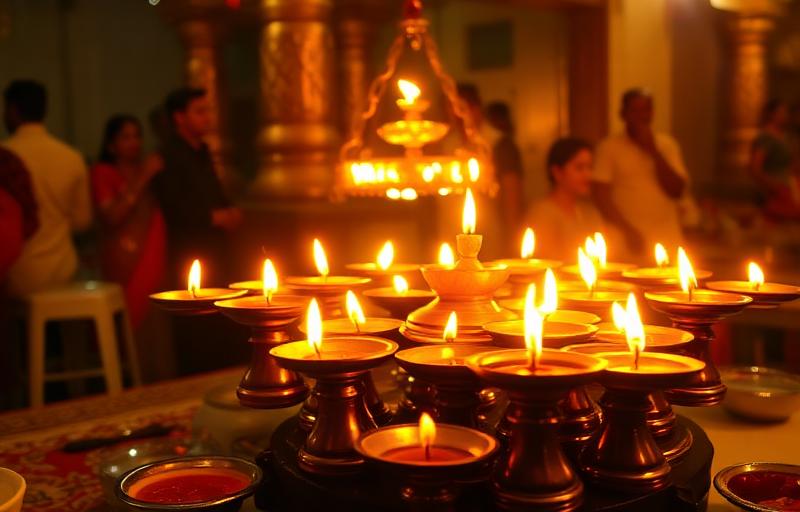
Deep daan (lamps, especially in Kartik and on Diwali), vastra daan (clothing, especially before winter), and jal daan (water, the pyau in summer) complete the classical list - each answering a basic human need.
Which Daan on Which Occasion
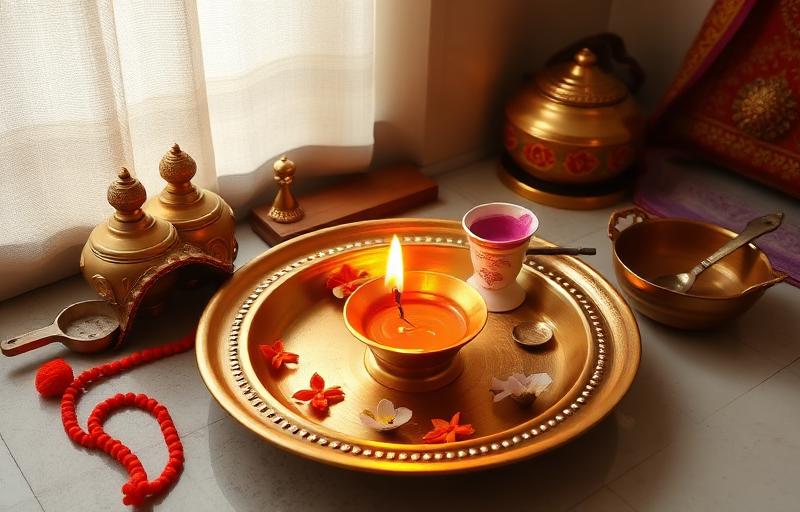
The tradition pairs specific daans with specific days, multiplying both the giver's mindfulness and the gift's reach.
Ekadashi: Anna daan to the needy and feeding sadhus carry special merit; many devotees who fast donate the food they would have eaten.
Amavasya: The day of the ancestors - til (sesame), food, and jal daan offered in their memory, especially Somvati Amavasya.
Sankranti: Til-gud (sesame and jaggery), khichdi, blankets, and warm clothing on Makar Sankranti; the winter sun's day is the classic time for vastra daan.
Pitru Paksha: The fortnight of the ancestors - anna daan, feeding Brahmins, crows, cows, and dogs, and donating in the name of departed elders.
Festivals: Deep daan in Kartik and on Diwali, anna and vastra on Annakut, gau seva on Gopashtami, and daan to the poor on one's own birthday and on every vrat's completion (udyapan).
A useful rule: whenever you receive - a festival, a harvest, a success - give the same day.
The Right Bhava - Give Quietly, Expect Nothing
The shastras are unanimous: how you give matters more than what you give. The highest form is gupt daan - secret giving - where the receiver does not know the giver, and ideally, as the saying goes, the left hand does not know what the right hand gave. Giving that is announced, photographed, or used to build reputation slides from sattvik towards rajasik; the gift still helps, but the giver gains little inwardly.
Three marks of the right bhava: give with respect, as if the receiver is doing you the favour of accepting - the tradition sees the deity in the one who receives. Give promptly and gladly, not after making someone ask twice. And release the gift completely - no following up on how it was used, no expectation of gratitude, no mental ledger.
The Taittiriya Upanishad compresses it into four instructions: give with faith (shraddhaya deyam), give generously (shriya deyam), give with modesty (hriya deyam), and give with awareness (samvida deyam).
How Much to Give - The Shastra Guidance
The tradition never demands ruinous giving. The classical guidance is dashansh - a tenth of one's honest income set aside for daan - echoing the ancient practice of offering the first portion of every harvest. Some texts speak of giving according to shakti (capacity): the householder gives from surplus after family duties are met, never by neglecting dependents, for providing for one's family is itself dharma.
Two principles refine the amount. First, daan must come from nyaya-arjit dhan - righteously earned wealth. A small gift from honest earnings outweighs a large one from wrongful gain. Second, consistency outweighs scale: a roti set aside daily, a fixed sum every Ekadashi, grain given every Sankranti - small, steady streams of giving shape the heart far more than rare grand gestures. Give what you can release without resentment; that is your true capacity today, and it grows with practice.
Daan and Seva - Two Hands of the Same Dharma
Daan and seva are often spoken of together, and the difference between them is worth understanding. Daan gives what you have - money, food, clothing, knowledge. Seva gives what you are - your time, labour, skill, and presence. Cooking at a langar, cleaning a temple, sitting with the sick, teaching a child without fee: these are seva.
Neither is higher in any absolute sense; they complete each other. Daan without seva can become distant and transactional - a transfer that never touches the giver. Seva without the willingness to also give materially can become selective generosity that costs nothing. The mature devotee practises both: the hand that writes the cheque also serves the meal.
The tradition adds one final, beautiful teaching: the greatest gift attached to every daan is abhaya daan - the gift of fearlessness, of making another being feel safe. Feed someone, teach someone, clothe someone, and above all let no creature fear you. That is daan grown to its full height. Read our companion guide on seva to explore this further.
Quick Answers
Which daan is considered the greatest in Hindu dharma?+
Anna daan, the gift of food, is called the supreme daan - Annadanam param danam - because hunger is the most immediate suffering and food satisfies completely. Vidya daan, the gift of knowledge, stands beside it, as it keeps giving for a lifetime. The tradition also exalts abhaya daan - the gift of fearlessness.
What does the Bhagavad Gita say about daan?+
In verses 17.20-22, the Gita classifies daan as sattvik (given as duty, to a worthy person, at the right place and time, expecting nothing), rajasik (given for return, reward, or grudgingly), and tamasik (given disrespectfully, to the wrong person, at the wrong time). The spirit of giving determines its worth.
What is gupt daan and why is it praised?+
Gupt daan is secret giving - where the receiver does not know the giver and no recognition is sought. It is praised because it keeps the ego entirely out of the act, making the daan purely sattvik. Giving that is publicised still helps the receiver but builds reputation rather than inner growth for the giver.
How much of one's income should be given as daan?+
The classical guidance is dashansh - one-tenth of honest income - but the shastras emphasise shakti, giving per capacity, after family duties are met. Consistency matters more than scale: a small daily or weekly daan shapes the heart more than rare large gestures. Daan must always come from righteously earned wealth.
Which daan should be done on Amavasya and Pitru Paksha?+
Both are days of the ancestors. Til (black sesame), anna (food), and jal (water) daan offered in the ancestors' memory carry special significance, along with feeding Brahmins, cows, crows, and dogs during Pitru Paksha. Donating food or clothing in the name of departed elders is the traditional practice.
What is the difference between daan and seva?+
Daan gives what you have - money, food, clothing, knowledge. Seva gives what you are - time, labour, skill, presence. Neither is absolutely higher; they complete each other. The mature devotee practises both: the hand that donates also serves. Daan without seva turns transactional; seva should not replace material generosity where it is needed.
About the author
Pandit Mahesh Trivedi · Festival Traditions & Panchang
Pandit Mahesh leads the festival-date and Panchang content on Vandnaa. He cross-references multiple regional panchangs (Drik, Vaishnava, Bengali, Marathi) for every festival date published on the site.
Meet the Vandnaa editorial team →