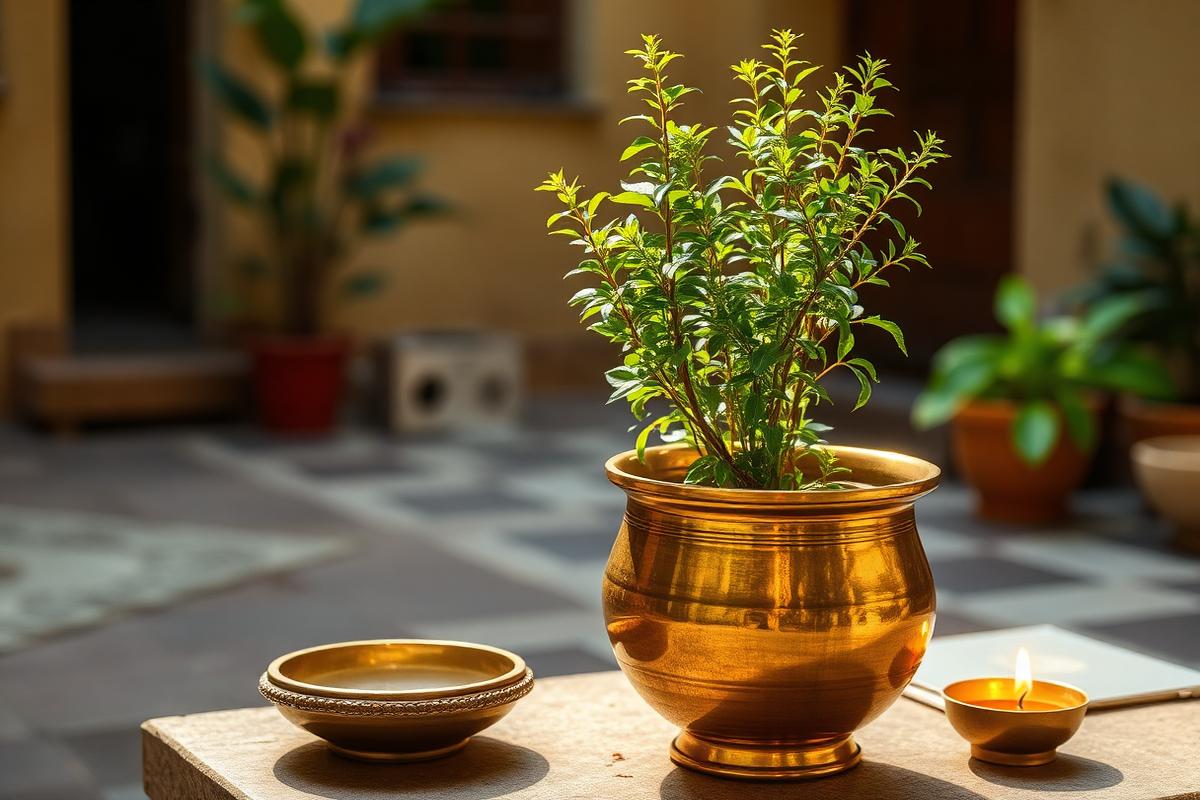
The Amla Tree: A Fruit and a Faith
The amla tree, known for the small, tart fruit valued across Ayurveda for its health benefits, holds a devotional significance that goes well beyond its fruit. In Hindu tradition, the tree itself is worshipped, held especially dear to Lord Vishnu.
Devotees regard the amla as a tree of purity, its shade considered auspicious enough to sit, pray and even share a meal beneath, particularly on the one day of the year set aside specifically in its honour.
Amalaki Ekadashi: A Day Dedicated to the Amla Tree
Among the many Ekadashis observed through the Hindu lunar year, Amalaki Ekadashi, falling in the Shukla Paksha of Phalguna just before Holi, is unique in being dedicated specifically to the worship of the amla tree alongside Lord Vishnu.
On this day, devotees fast, visit an amla tree, and offer their prayers directly at its base, treating the tree not as a backdrop for worship but as a living participant in it.
The Katha Behind the Vrat
Puranic tradition tells of a devout king who worshipped Lord Vishnu with great sincerity beneath an amla tree on this very day and was freed from the weight of past wrongs through that devotion. Since then, devotees have followed this practice, believing that sincere worship at the foot of an amla tree on Amalaki Ekadashi brings a similar sense of peace and grace.
As with many such kathas, the story is held as a matter of faith, a reminder of what devotion offered with a pure heart can achieve, rather than a literal promise for every devotee.
Rituals Observed on This Day

Devotees observe Amalaki Ekadashi with a set of simple, heartfelt rituals:
- Fasting, often from grains, through the day
- Worshipping the amla tree with water, vermilion and a sacred thread tied around its trunk
- Lighting a lamp at the base of the tree
- Walking around the tree in pradakshina while chanting Om Namo Bhagavate Vasudevaya, a simple invocation of Vishnu
- Sharing a meal or prasad prepared with amla beneath the tree with family and others the next day
These customs vary slightly by region, but the devotion at their heart remains constant.
Amla's Place Beyond Amalaki Ekadashi
The amla tree is also honoured on Akshaya Navami in the month of Kartik, when devotees again gather to worship it and dine in its shade, believing that good deeds performed there carry lasting merit.
Beyond these specific occasions, amla continues to hold a place in daily worship and Ayurvedic life alike, treated as a gift of nature that devotees approach with quiet, everyday reverence.
A Small Tree, A Large Faith
The devotion surrounding the amla tree is a reminder that faith finds expression even in the humblest of trees. Its small, sour fruit and modest form carry a devotional weight far larger than their size suggests.
For devotees who observe Amalaki Ekadashi each year, the practice becomes less about the tree itself and more about the sincerity brought to it, a lesson that in worship, as in life, intention matters more than grandeur.
Quick Answers
What is Amalaki Ekadashi?+
Amalaki Ekadashi is a fast observed on the Ekadashi of Phalguna Shukla Paksha, just before Holi, dedicated specifically to the worship of the amla tree alongside Lord Vishnu.
Why is the amla tree associated with Lord Vishnu?+
Tradition holds the amla tree especially dear to Lord Vishnu, and Puranic accounts describe a devout king who worshipped Vishnu beneath the tree on Amalaki Ekadashi and was freed from past wrongs, giving the tree its enduring devotional significance.
Is the amla tree honoured on any other occasion?+
Yes, the amla tree is also worshipped on Akshaya Navami in the month of Kartik, when devotees gather to pray and dine in its shade, believing good deeds performed there carry lasting merit.
About the author
Pandit Mahesh Trivedi · Festival Traditions & Panchang
Pandit Mahesh leads the festival-date and Panchang content on Vandnaa. He cross-references multiple regional panchangs (Drik, Vaishnava, Bengali, Marathi) for every festival date published on the site.
Meet the Vandnaa editorial team →