The Peepal: A Tree Devotees Consider Divine
The peepal tree, known in Sanskrit as Ashwattha, is one of the most revered trees in Hindu tradition. Unlike an ordinary tree admired for shade or beauty, the peepal is treated by devotees as a living form of the divine, worthy of daily worship.
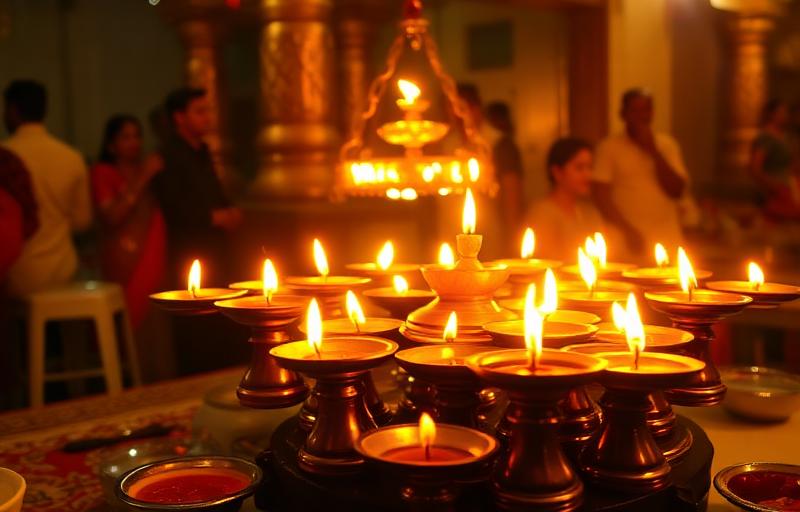
Across India, it is common to see a small platform, a diya, or vermilion marks at the base of an old peepal tree. Devotees pause here to bow, to pray, or simply to sit in quiet reflection, treating the tree itself as a sacred presence rather than a backdrop for prayer.
The Trimurti Belief: Brahma, Vishnu and Shiva in One Tree
A widely held belief among devotees is that the peepal tree houses all three forms of the Trimurti at once. Tradition holds that Lord Brahma resides in its roots, Lord Vishnu in its trunk, and Lord Shiva in its upper branches and leaves.
Because of this belief, the peepal is treated as a meeting point of creation, preservation and dissolution within a single living form. This is one reason devotees are careful never to cut down an old peepal tree, and why circling it in prayer is considered equal to honouring all three deities together.
Peepal in the Scriptures: The Ashwattha of the Gita
In the Bhagavad Gita, Krishna describes himself through the image of the Ashwattha tree, saying Ashwatthah sarva vrikshanam, meaning "among all trees, I am the Ashwattha." In the fifteenth chapter, the Gita also uses the picture of an eternal Ashwattha tree with roots above and branches below to describe the nature of existence itself.
This scriptural connection is a major reason the peepal holds such a special place in devotional life. When devotees water or worship this tree, many hold in mind that they are honouring a form the divine has directly claimed as its own.
How Devotees Worship the Peepal Tree
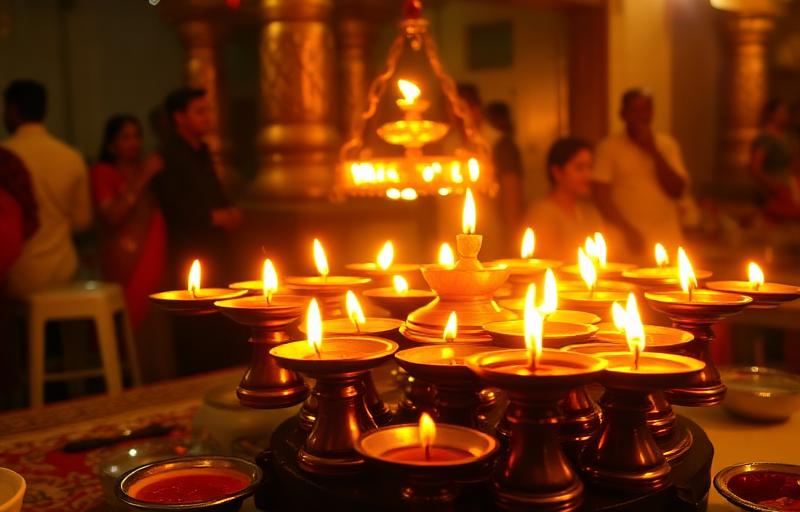
Worship of the peepal follows simple, heartfelt rituals passed down through generations. Common practices include:
- Watering the tree, often early in the morning, as a gesture of care and reverence
- Lighting a diya at its base, especially on Saturdays
- Walking around the tree in pradakshina (circumambulation) while praying
- Tying a sacred thread around the trunk
- Offering water mixed with a little milk at the roots
- Avoiding harm to the tree, including cutting its branches without genuine need
Many devotees also avoid disturbing the tree after sunset out of old tradition, treating that time as the tree's own period of rest.
A Living Symbol of Faith
Devotees believe that sitting quietly beneath a peepal tree with a calm mind can bring a sense of peace, and many associate the tree with the release of old burdens, including prayers for departed ancestors. As per tradition, such practices are carried out with humility rather than expectation.
The peepal reminds devotees that the divine is not confined to temple walls alone but can be encountered in the quiet, steady presence of nature. Worship of this tree, like all Hindu worship, is ultimately an act of faith and love, not a transaction.
Frequently Asked Questions
Why is the peepal tree considered sacred in Hinduism?+
Tradition holds that the Trimurti, Brahma, Vishnu and Shiva, all reside within the peepal tree, and Krishna identifies himself with this tree in the Bhagavad Gita, making it one of the most revered trees in Hindu worship.
Why do devotees water the peepal tree, especially on Saturdays?+
Watering the peepal tree, particularly on Saturdays, is a long-standing devotional tradition. Devotees do this as a personal act of faith and care, seeking peace and blessings, rather than following any exact or scientific rule.
Is it appropriate to plant a peepal tree inside the home?+
Many families follow the old custom of planting the peepal in open temple courtyards, near riverbanks or in public spaces rather than close to the house, owing to its wide-spreading roots. It is more common to keep a small idol or leaf for daily prayer at home instead.
About the author
Pandit Mahesh Trivedi · Festival Traditions & Panchang
Pandit Mahesh leads the festival-date and Panchang content on Vandnaa. He cross-references multiple regional panchangs (Drik, Vaishnava, Bengali, Marathi) for every festival date published on the site.
Meet the Vandnaa editorial team →