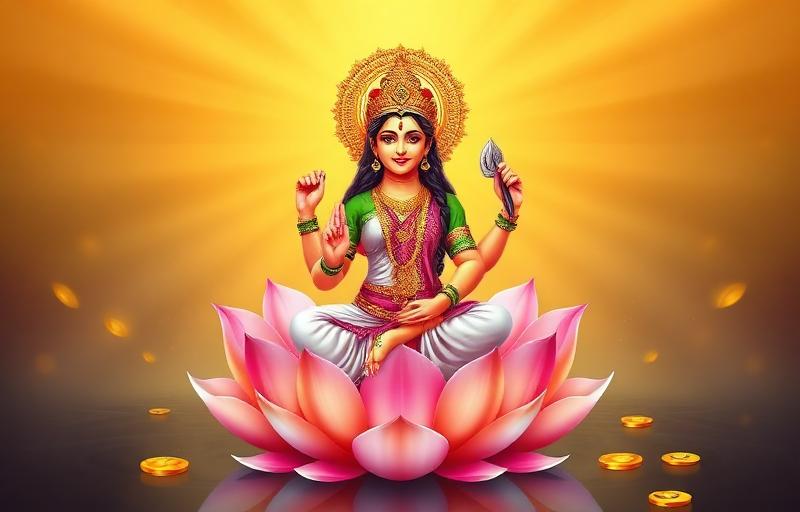
What Is the Annapurna Stotram?
The Annapurna Stotram is a devotional hymn to Goddess Annapurna, the form of Parvati who nourishes the world with food, composed by the great Adi Shankaracharya. The goddess is the presiding deity of Kashi (Varanasi), feeding all beings.
The stotram praises her beauty, compassion and her power to grant anna (food), prosperity and the higher wealth of knowledge and detachment. It is recited for an abundant, peaceful home that never lacks nourishment.
Key Verses with Meaning
Opening verse: Nityanandakari varabhayakari saundaryaratnakari Nirdhutakhilaghorapavanakari pratyakshamaheshwari Praleyachalavamshapavanakari kashipuradhishwari Bhiksham dehi kripavalambanakari mataannapurneshwari
Meaning: O giver of eternal bliss, granting boons and fearlessness, ocean of beauty; remover of all sins; the visible Great Goddess; purifier of the Himalayan lineage; ruler of Kashi - O Mother Annapurneshwari, grant me alms by the support of your grace.
The famous concluding prayer: Annapurne Sadapurne Shankara Prana Vallabhe Gyana Vairagya Siddhyartham Bhiksham Dehi Cha Parvati
Meaning: O Annapurna, ever full, beloved of Shankara; for the attainment of knowledge and detachment, grant me alms, O Parvati.
The full stotram has around twelve verses, each describing the goddess and ending with the plea 'bhiksham dehi' - grant me alms.
Benefits & How to Recite
Benefits:
- Blessing of never lacking food, abundance and prosperity
- A happy, harmonious and well-fed home
- Gratitude that honours food and never wastes it
- The higher wealth of knowledge (gyana) and detachment (vairagya)
How to recite: 1. Recite in the morning, ideally after a bath, before cooking the day's food. 2. Light a lamp before an image of Annapurna or Parvati near the kitchen. 3. Read the stotram with devotion; offer the first portion of food (bhog) to the goddess before the family eats. 4. Make it a habit to bless every meal and share food with the hungry - the truest worship of Annapurna.
Reciting it on Annapurna Jayanti, Fridays, or Navratri is especially auspicious.
What People Ask Most
Who composed the Annapurna Stotram?+
The Annapurna Stotram is traditionally attributed to Adi Shankaracharya, the great 8th-century saint and philosopher, in praise of Goddess Annapurna of Kashi.
What does 'Bhiksham Dehi' mean?+
'Bhiksham dehi' means 'grant me alms'. In the stotram the devotee humbly asks Goddess Annapurna for the alms of food, prosperity, and the higher gifts of knowledge and detachment.
When should I recite the Annapurna Stotram?+
It can be recited daily in the morning before cooking, and is especially auspicious on Annapurna Jayanti, Fridays and during Navratri. Offer the first portion of food to the goddess after reciting.
What is the main benefit of the Annapurna Stotram?+
It is believed to bless the home with food, abundance and prosperity, and to cultivate gratitude that never wastes food, along with the higher wealth of knowledge and detachment.
About the author
Acharya Vinaya Kapoor · M.A. Sanskrit, Mantra & Stotra Studies
Acharya Vinaya holds an M.A. in Sanskrit from Banaras Hindu University and writes the mantra and stotra commentary on Vandnaa. Her focus is on accurate pronunciation, traditional context, and helping modern readers connect with classical texts.
Meet the Vandnaa editorial team →