What Is Antyesti Sanskar
Antyesti, meaning "the last sacrifice" or "final rite", is the sixteenth and final samskara, performed after death to honour the departed and support the soul's onward journey. Unlike the earlier samskaras, which mark the milestones of a living person, Antyesti is performed by the family on behalf of the one who has passed, an act of love, duty and devotion offered in return for a lifetime of relationship.
Hindu tradition holds that the body is a temporary vessel, and that at death the soul continues its journey while the physical elements of the body return to nature, most commonly through cremation. Antyesti is the sacred framework through which this passage is honoured with dignity and prayer.
Roots in Scripture
The Vedas, particularly hymns from the Rigveda addressed to Agni, describe the cremation fire as a sacred medium that carries the departed onward, a belief that continues to shape Hindu funeral practice. Later texts including the Garuda Purana describe the soul's journey after death in devotional terms, emphasising the importance of the rites performed by the family with sincerity and love.
The Bhagavad Gita's teaching that the soul is eternal, and that death is only the shedding of the body as one sheds worn-out clothes, offers many devotees comfort and frames Antyesti not as an end but as a sacred transition.
Key Rites and Their Meaning
Antyesti includes several rites, each carrying devotional meaning:
- Cremation (Dahasanskar) - the body is offered to the sacred fire, symbolising the return of the physical elements to nature
- Pind Daan - offerings of rice balls made for the departed soul, believed to nourish it on its onward journey
- Asthi Visarjan - the immersion of ashes in a sacred river, most commonly the Ganga, entrusting the departed to the flow of the sacred waters
- Shraddha - ceremonies performed on specific days after death and annually thereafter, honouring the ancestor's memory with prayer and offerings
These rites are performed by close family, often the eldest son or a designated relative, guided by a priest, with the underlying belief that the sincere performance of these duties brings peace to the departed soul and comfort to those left behind.
Significance for Devotees
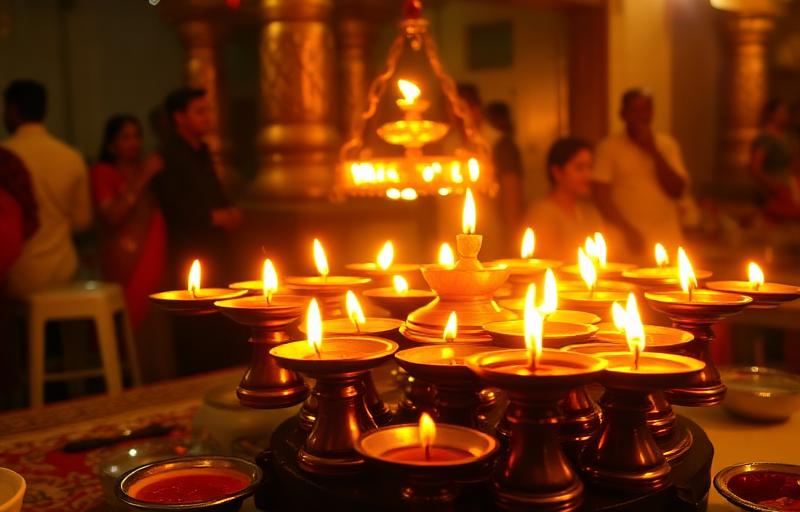
As per tradition, Antyesti is not viewed as an occasion for despair alone but as one final act of service and love that a family offers, a chance to honour a lifetime of relationship with dignity and prayer. The rites are believed to help the soul release its attachment to the physical world and continue its journey with peace.
Shraddha ceremonies, continuing well beyond the funeral itself, keep the memory of ancestors alive within the family, a devotional thread believed to connect generations and remind the living of their own place within a larger, ongoing story.
A Devotional Takeaway
Antyesti reminds devotees that Hindu tradition holds death itself within a devotional frame, not as something to fear but as a passage to be honoured with the same reverence given to birth, marriage and every other milestone. The prayer Om Shanti Shanti Shanti, chanted to invoke peace for the departed soul, remains one of the most widely offered blessings across Hindu funeral rites.
This final sanskar, like all others, is ultimately an act of faith and love, not a transaction, a family's last, tender offering to a soul whose journey continues beyond this life.
Common Questions From Devotees
What is the meaning of Antyesti?+
Antyesti means "the last rite", the final samskara performed after death to honour the departed and support the soul's onward journey.
What is Shraddha and how is it connected to Antyesti?+
Shraddha refers to the ceremonies performed on specific days after death and annually thereafter, continuing the devotional remembrance of the departed that Antyesti begins.
Why is cremation significant in Hindu tradition?+
Cremation is regarded as the offering of the body to the sacred fire, symbolising the return of the physical elements to nature while the soul continues its own journey.
About the author
Anjali Mehta · Editor, M.A. Religious Studies
Anjali is the managing editor for Vandnaa and oversees the festival and vrat coverage. She holds an M.A. in Religious Studies and reviews every published article for accuracy, accessibility, and tradition-fidelity.
Meet the Vandnaa editorial team →