What Is Ashadha Maas and When Does It Fall in 2026
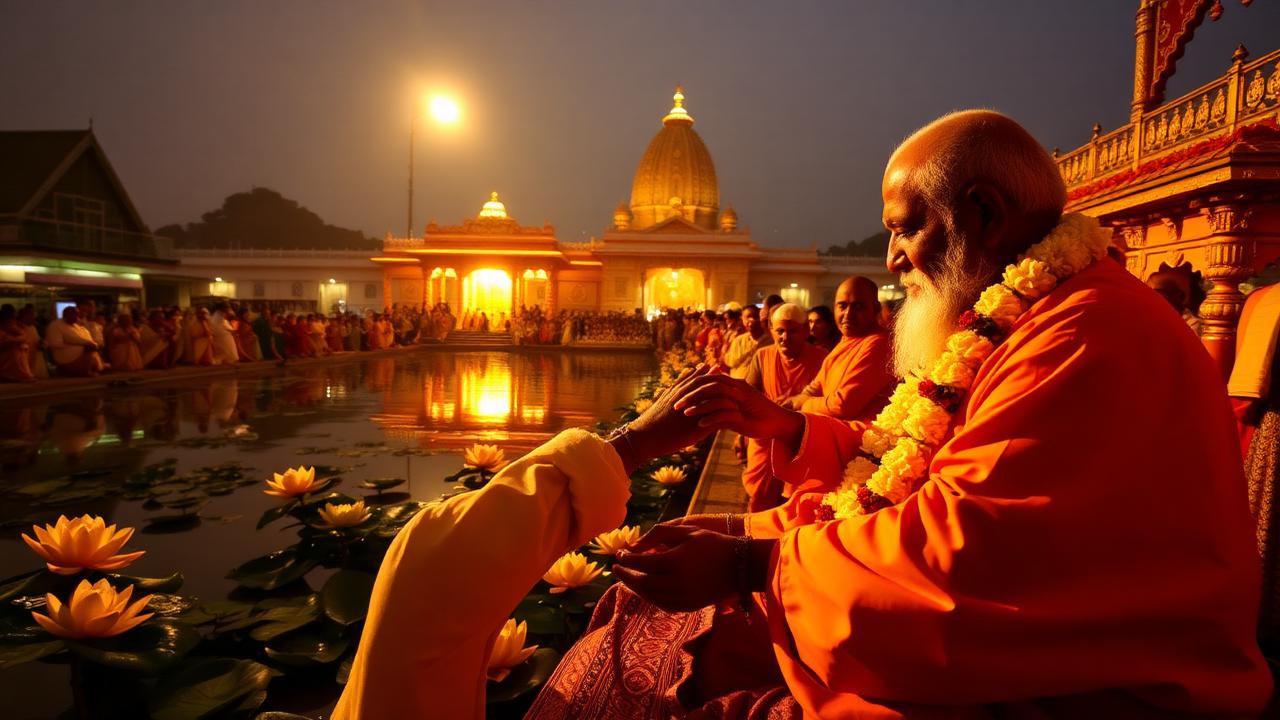
Ashadha is the fourth month of the Hindu lunar calendar, and in 2026 it falls roughly across June and July. As this guide goes live, Ashadha is just beginning, so this is the right moment to plan your devotion for the weeks ahead. The month stands at the doorway of the monsoon: the fierce heat of Jyeshtha softens, the first rains arrive, and the spiritual calendar also turns inward. Ashadha carries the grand Jagannath Rath Yatra, two powerful Ekadashis, Guru Purnima, the quiet Gupt Navratri and, above all, the start of Chaturmas, the four holiest months of the Hindu year. Because every festival here follows a lunar tithi that shifts each year, please confirm the exact dates on the Vandnaa Panchang instead of relying on fixed calendar dates. In North India the month is counted by the Purnimanta system, while the South and West follow the Amanta reckoning, so the month's boundaries differ slightly across regions.
Why Ashadha Is a Holy Month - The Scriptural Basis
Ashadha's sanctity rests on the Puranas. The Padma Purana describes how on Devshayani Ekadashi (Ashadha Shukla Ekadashi) Lord Vishnu enters his cosmic yoga-nidra on Shesha in the Kshira Sagara, and the four months that follow become a season when fasting, japa and seva are said to bear multiplied fruit. The Skanda Purana, in its Purushottama Kshetra Mahatmya, glorifies the Rath Yatra of Lord Jagannath at Puri, declaring that one who beholds the Lord on his chariot is greatly blessed. Ashadha Purnima is Vyasa Purnima, honoured as the appearance day of Maharishi Veda Vyasa, which is why it is celebrated as Guru Purnima. The month also holds an Ashadha Gupt Navratri, nine quiet nights of Devi sadhana kept by dedicated seekers. Together these make Ashadha a gateway month of surrender and discipline. Bathing in holy rivers and offering daan in Ashadha are praised as specially fruitful, for this month is the threshold of the year's most sacred season.
Major Festivals and Vrats of Ashadha 2026
The sacred days of Ashadha, in the order they arrive: 1. Yogini Ekadashi (Krishna Paksha) - a Vishnu fast believed to free the devotee from past wrongs and prepare the heart for Chaturmas. 2. Jagannath Rath Yatra (Shukla Dwitiya) - Lord Jagannath, Balabhadra and Subhadra ride their chariots from the Puri temple to Gundicha, and devotees worldwide join in spirit. 3. Ashadha Gupt Navratri (Shukla Pratipada to Navami) - nine nights of inward Devi worship. 4. Devshayani Ekadashi (Shukla Ekadashi) - Vishnu's yoga-nidra begins and with it Chaturmas. 5. Guru Purnima (Ashadha Purnima) - the day to honour one's guru and Veda Vyasa. All of these follow lunar tithis, so check each date on the Vandnaa Panchang before planning your vrat. Many families also mark the month's Amavasya with pitru tarpan and a quiet diya near the Tulsi, keeping the whole fortnight gently turned toward the divine.
Chaturmas Begins - The Four Holiest Months
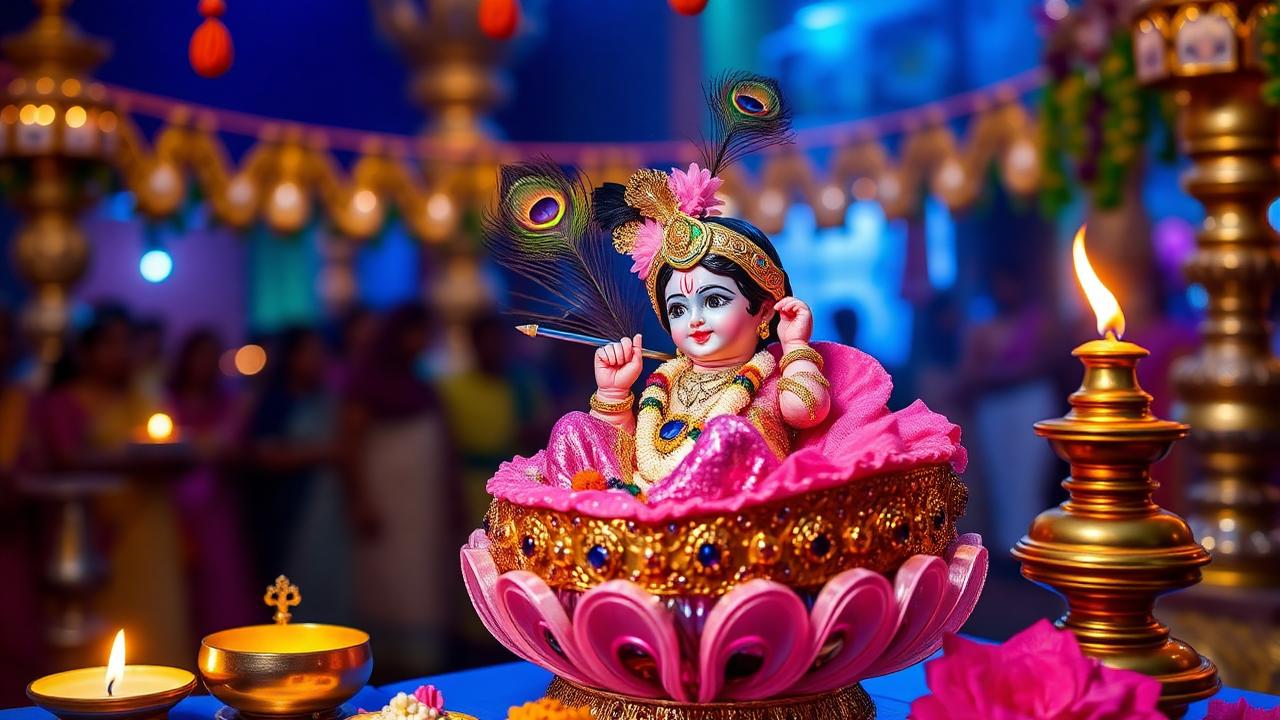
From Devshayani Ekadashi in Ashadha until Dev Uthani Ekadashi in Kartik, Lord Vishnu is said to rest in yoga-nidra. This period is Chaturmas. Because the Lord rests, large worldly beginnings such as vivah (marriage), grih pravesh and mundan are traditionally paused, while inner work is encouraged to flourish. Sadhus stay in one place for chaturmas vrat, studying and teaching. Householders take simple vows: eating once a day, giving up a favourite food, reading one scripture through the four months, or chanting a fixed number of malas daily. The shastras say that whatever japa, daan and seva one offers in Chaturmas returns multiplied. Ashadha is your doorway into this season - enter it with a clear, simple sankalpa. Even one small vow, kept without break for four months, reshapes the mind more deeply than many grand resolutions that fade within a week.
Daily Practices - Snan, Daan, Japa and Deity Focus
Simple daily niyam carry the spirit of Ashadha: 1. Snan - bathe early, before or around sunrise, remembering the holy rivers as you pour the first water. 2. Japa - the month belongs to Lord Vishnu and Jagannath, so chant Om Namo Bhagavate Vasudevaya at least 108 times daily; during Gupt Navratri add a Devi mantra. 3. Daan - monsoon-appropriate giving is praised: umbrella, footwear, grains, ghee and a lit diya to those in need. 4. Guru seva - in the lead-up to Guru Purnima, serve and remember your guru, or honour Veda Vyasa by reading scripture. 5. Ekadashi vrat - keep both Yogini and Devshayani Ekadashi if health permits. 6. Tulsi care - water and circumambulate Tulsi daily and light an evening diya near her. If a day is missed, simply resume the next morning without guilt - consistency, not perfection, is the heart of every niyam.
What to Avoid in Ashadha
Tradition asks for restraint as much as practice: 1. After Devshayani Ekadashi, avoid beginning weddings, grih pravesh and similar large sanskars until Dev Uthani Ekadashi; consult your family purohit for exceptions. 2. Avoid tamasic food - meat, alcohol, onion and garlic for those keeping vrat - and avoid rice on Ekadashi days, as the shastras specifically discourage it. 3. Do not speak ill of or neglect your guru and elders, especially in the month of Guru Purnima. 4. Avoid wasting the Ekadashis in entertainment; they are the spiritual high points of the month. 5. As the rains begin, traditional households also eat lightly and avoid stale or heavy food, keeping the body satvik for sadhana. None of these restraints are meant as fear; they simply clear away the noise so that the month's japa, daan and seva can be heard by the heart.
Living Ashadha Devotionally

Ashadha asks one question: as the Lord turns to rest, will you turn to wakefulness? Let the month have a shape. Begin each day with snan and a short Vishnu japa, watch the Rath Yatra with the feeling that Jagannath comes out of his temple to meet those who cannot reach him, keep the two Ekadashis with a light body and a full heart, and on Guru Purnima bow to whoever lit the lamp of knowledge in your life. Then take one Chaturmas sankalpa - one mala a day, one chapter a day, one act of giving a week - and hold it gently till Kartik. Use the Vandnaa app for daily aarti, mantra japa and the Panchang so the month's tithis never slip past you unnoticed. Years later you will remember not the rain but the resolve - the Chaturmas you entered with a single sankalpa and left with a steadier heart.
What People Ask Most
When does Ashadha Maas 2026 begin and end?+
Ashadha is the fourth Hindu lunar month and in 2026 it falls roughly across June and July. Because the lunar month begins and ends on tithis rather than fixed dates, and North and South Indian calendars count the month slightly differently, please confirm the exact start, end and every festival tithi on the Vandnaa Panchang. The Panchang also shows the paksha and tithi for each day, which helps you plan the Ekadashis and Guru Purnima well in advance.
Why is Devshayani Ekadashi so important in Ashadha?+
On Devshayani Ekadashi (Ashadha Shukla Ekadashi), Lord Vishnu is believed to enter yoga-nidra for four months. The Padma Purana treats this day as the gateway of Chaturmas, when vrat, japa and daan are said to bear multiplied fruit. Devotees fast, worship Vishnu with tulsi and a ghee lamp, and take their Chaturmas sankalpa on this day.
What is Chaturmas and what changes during it?+
Chaturmas is the four-month period from Devshayani Ekadashi in Ashadha to Dev Uthani Ekadashi in Kartik, while Vishnu rests. Marriages and big worldly beginnings are traditionally paused, sadhus stay in one place, and householders take simple vows of food restraint, scripture reading and daily japa. It is treated as the year's most concentrated season of inner practice.
Can marriages be held in Ashadha 2026?+
In most North Indian traditions, marriage muhurats are available in the first part of Ashadha but stop after Devshayani Ekadashi, when Chaturmas begins, and resume only after Dev Uthani Ekadashi in Kartik. Regional customs differ, so families should confirm with their purohit and check the relevant tithis on the Vandnaa Panchang before fixing any date.
Which deity should I worship in Ashadha?+
Ashadha belongs first to Lord Vishnu and his form as Jagannath - the Rath Yatra and both Ekadashis centre on him. Guru Purnima turns devotion towards the guru and Veda Vyasa, and the Ashadha Gupt Navratri invites quiet Devi sadhana. A simple pattern is daily Vishnu japa, guru smaran through the month, and a Devi mantra during the nine Gupt Navratri nights.
What daan is considered best in Ashadha?+
Scriptural tradition praises monsoon-appropriate giving in Ashadha: an umbrella or chhata, footwear, grains, ghee, salt and a lit diya offered to those in need or to brahmins. The idea is to protect others from the hardships of the rains. Daan given with humility in this month, especially on Ekadashi and Guru Purnima, is believed to carry multiplied merit as Chaturmas begins.
About the author
Pandit Mahesh Trivedi · Festival Traditions & Panchang
Pandit Mahesh leads the festival-date and Panchang content on Vandnaa. He cross-references multiple regional panchangs (Drik, Vaishnava, Bengali, Marathi) for every festival date published on the site.
Meet the Vandnaa editorial team →