
Who Are the Ashta Vasus?
The Ashta Vasus are a group of eight deities mentioned in the Vedas and the Puranas who personify the elements and forces of nature. The word vasu means 'dweller' or 'one who is the abode' - together they are the substances in which all beings dwell.
In the Mahabharata they are described as attendants of Indra (and in some accounts of Vishnu), and they are counted among the thirty-three principal Vedic deities alongside the twelve Adityas, the eleven Rudras and the two Ashvins. Their most famous story connects them to the river goddess Ganga and the great hero Bhishma.
The Eight Vasus and What They Represent
The names vary slightly across texts, but a widely accepted list of the Ashta Vasus is:
- Dhara / Prithvi (धरा / पृथ्वी): the earth, that which supports and sustains all life.
- Apa / Apas (आप): the waters, the flowing element of nourishment and purity.
- Anala / Agni (अनल / अग्नि): fire, the element of heat, light and transformation.
- Anila / Vayu (अनिल / वायु): the wind, the element of movement and the breath of life.
- Antariksha / Aha (अंतरिक्ष): space or the sky, the open expanse that holds all.
- Surya / Pratyusha (सूर्य / प्रत्यूष): the sun, the source of light and the dawn.
- Soma / Chandra (सोम / चंद्र): the moon, the cool lord of the mind and herbs.
- Prabhasa / Dhruva (प्रभास / ध्रुव): the shining one, linked with the stars and the steadfast pole star.
The Vasus, Ganga and Bhishma
The most beloved story of the Vasus appears in the Mahabharata. The eight Vasus, while wandering with their wives, took the sage Vashishtha's wish-fulfilling cow, Nandini, at one wife's request. Angered, the sage cursed them to be born as mortals.
The Vasus prayed to Mother Ganga to be their earthly mother and to release them quickly from human life. Ganga agreed and, married to King Shantanu, gave birth to the eight - returning seven of them to their divine state soon after birth. The eighth, Prabhasa, whose part in the offence was greatest, had to live a long human life - and he was born as Bhishma, the great and noble grandsire of the Mahabharata. The story teaches that even divine beings face the fruits of their actions, and that a life of duty and sacrifice can redeem a curse.
Their Significance Today
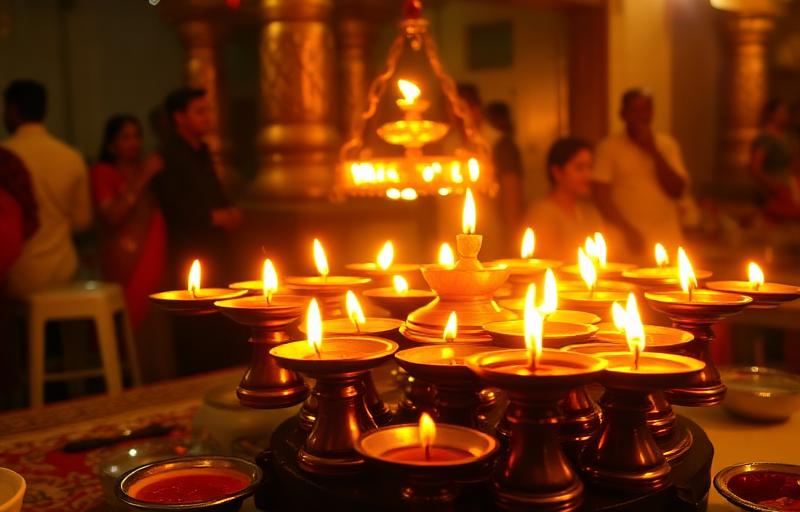
Though the Vasus are rarely worshipped individually in homes today, their spirit lives on in the daily honour Hindus give to the elements. We salute the earth before stepping on it in the morning, light a lamp to Agni, offer water (Apas) to the sun, and revere the Ganga as a mother.
The Ashta Vasus remind us that the natural world is divine and alive, not mere matter to be used. Earth, water, fire, wind and space are not only resources but deities to be respected and protected. In an age of ecological strain, the ancient reverence for the Vasus carries a timely message - to treat nature itself as sacred.
Reader Questions Answered
What do the Ashta Vasus represent?+
The eight Vasus personify the elements and forces of nature - earth, water, fire, wind, space (sky), the sun, the moon and the stars. Their name means 'dwellers', the substances in which all beings live.
Which Vasu was born as Bhishma?+
Prabhasa (also called Dyaus in some versions), whose part in stealing sage Vashishtha's cow was greatest, was cursed to live a long human life. He was born as Bhishma, the noble grandsire of the Mahabharata.
Why did Ganga become the mother of the Vasus?+
The Vasus, cursed to be born as mortals, prayed to Mother Ganga to be their earthly mother and free them quickly from human life. She agreed, married King Shantanu, and released seven of them soon after birth.
Are the Vasus part of the thirty-three Vedic deities?+
Yes. The eight Vasus are counted among the thirty-three principal Vedic deities, together with the twelve Adityas, the eleven Rudras and the two Ashvins, often described as attendants of Indra.
About the author
Anjali Mehta · Editor, M.A. Religious Studies
Anjali is the managing editor for Vandnaa and oversees the festival and vrat coverage. She holds an M.A. in Religious Studies and reviews every published article for accuracy, accessibility, and tradition-fidelity.
Meet the Vandnaa editorial team →