What Is the Ashtavinayak Yatra
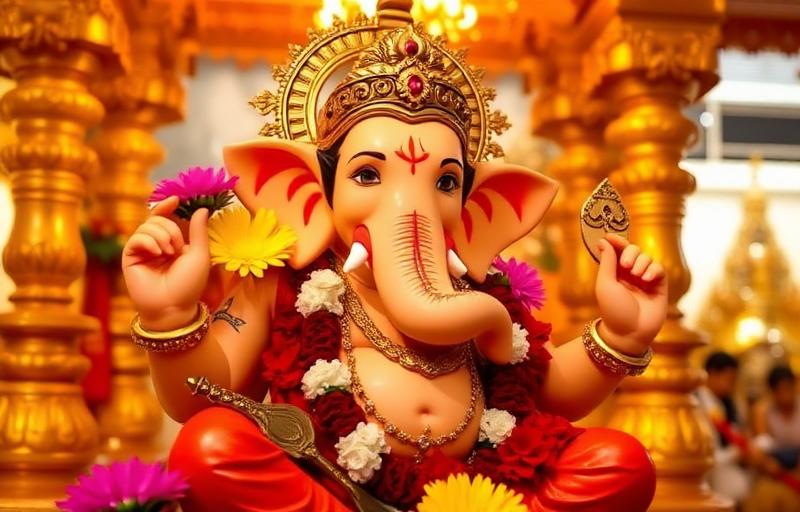
Ashtavinayak means the eight (ashta) forms of Vinayak, another name for Lord Ganesha. The term refers to eight ancient temples spread across the Pune, Raigad and Ahmednagar districts of Maharashtra, each enshrining a Ganesha idol that devotees believe to be swayambhu, or self-manifested, rather than consecrated by human hands.
Together these eight shrines form one of Maharashtra's most cherished pilgrimage circuits. Devotees undertake the Ashtavinayak Yatra as an act of faith, visiting each temple in a fixed traditional sequence to seek the blessings of Ganesha, remover of obstacles and lord of new beginnings.
The Order of the Eight Temples
Tradition lays down a specific sequence for the yatra, beginning at Moreshwar Temple in Morgaon, regarded as the adi-sthan or original seat among the eight. From there, pilgrims travel to Siddhivinayak Temple in Siddhatek, then to Ballaleshwar Temple in Pali, Varadvinayak Temple in Mahad, Chintamani Temple in Theur, Girijatmaj Temple in Lenyadri, Vighnahar Temple in Ozar, and finally Mahaganpati Temple in Ranjangaon.
Many devotees then return once more to Morgaon, completing the circuit where it began. This closing visit is considered an important part of the tradition, symbolically tying the whole journey together at the adi-sthan.
Why Devotees Undertake This Yatra
Each of the eight temples is believed to represent a distinct form and deed of Ganesha, together offering devotees a fuller vision of his grace than any single shrine could give. Pilgrims often undertake the yatra at an important turning point in life, before a wedding, a new venture, or simply as a long-held vow of devotion.
The belief is not that visiting all eight guarantees any particular outcome, but that the journey itself, made with sincerity, is an offering. Many families treat the Ashtavinayak Yatra as a tradition passed down through generations, undertaken together as an expression of shared faith rather than a checklist to complete.
How Pilgrims Plan the Yatra

Since the eight temples are spread across rural and semi-rural parts of Maharashtra, most devotees travel by road, either in a private vehicle or with one of the many tour operators who organise the circuit. Depending on the pace and starting point, the full yatra is commonly completed over two to three days.
There is no single fixed season for the yatra, though many devotees prefer to undertake it around Ganesh Chaturthi or on other auspicious occasions. Comfortable, modest clothing suited to temple visits is generally recommended, and pilgrims are advised to check each temple's darshan and aarti timings in advance, as these can vary by season.
Mantra and the Takeaway
Devotees on the Ashtavinayak Yatra commonly chant Om Gan Ganpataye Namah at each shrine, along with whatever specific invocation is associated with that particular form of Ganesha.
At its heart, the Ashtavinayak Yatra is less about the distance covered and more about the humility carried through it. Each temple offers its own lesson and blessing, but the deeper takeaway is the same throughout, that devotion is an offering of faith and patience, not a transaction to be completed.
Common Questions From Devotees
What does Ashtavinayak mean?+
Ashtavinayak means the eight forms of Vinayak, or Lord Ganesha, referring to eight ancient temples across Maharashtra where the Ganesha idols are believed to be self-manifested.
In what order is the Ashtavinayak Yatra traditionally done?+
The traditional order begins at Morgaon (Moreshwar), followed by Siddhatek, Pali, Mahad, Theur, Lenyadri, Ozar and Ranjangaon, with many devotees returning to Morgaon to complete the circuit.
Where are the Ashtavinayak temples located?+
The eight temples are spread across the Pune, Raigad and Ahmednagar districts of Maharashtra, mostly in rural and semi-rural areas within a few hours of Pune.
About the author
Pandit Ravindra Sharma · Vedic Rituals & Bhakti, 22+ years
Pandit Ravindra is the Vandnaa editorial team's resident specialist on aarti, chalisa, and daily devotion. He has performed home and temple pujas across Varanasi and Delhi for over two decades and contributes the bhakti-focused articles on this site.
Meet the Vandnaa editorial team →