What Is Atman
In Hindu philosophy, Atman refers to the innermost self, the true essence of a living being that is distinct from the body, mind and ego. Tradition describes the Atman as eternal, unchanging and untouched by birth or death, even as the body it inhabits goes through both.
Every living being is understood to have its own Atman, and recognising this true self, beneath all the roles a person plays, is considered the beginning of real spiritual understanding.
What Is Paramatma
Paramatma refers to the Supreme Soul, the one universal consciousness that Hindu tradition holds to be the source and sustainer of all creation. Where the Atman is individual, present uniquely within each being, the Paramatma is described as all-pervading, present equally within every being and beyond all of them at once.
Many schools of Vedanta describe Paramatma using names devotees already know well, such as Brahman, Ishwara or the personal form of one's chosen deity.
The Upanishadic Teaching: Tat Tvam Asi
The Upanishads explore the relationship between Atman and Paramatma as one of the central questions of Hindu philosophy. The famous mahavakya, or great teaching, Tat Tvam Asi, meaning "That thou art," points to the idea that the individual Atman is, at its deepest level, not separate from the Paramatma.
Different schools of Vedanta interpret this closeness differently, some describing complete oneness and others describing a relationship of loving closeness, but nearly all agree the two are far more intimately connected than ordinary experience suggests.
Why This Distinction Matters for a Devotee
Understanding the difference between Atman and Paramatma helps a devotee make sense of both individuality and devotion at once. It explains why each person feels like a distinct self while also affirming that this self shares its deepest nature with the divine that is worshipped.
This is also why many devotees describe their bhakti, their devotion, as a longing of the Atman to recognise and draw closer to the Paramatma, rather than a relationship between two entirely separate strangers.
The Takeaway
Atman and Paramatma together offer a beautiful way of understanding both who we are and who we are turning toward in worship. The Atman is the spark, and the Paramatma is the light from which every spark has come.
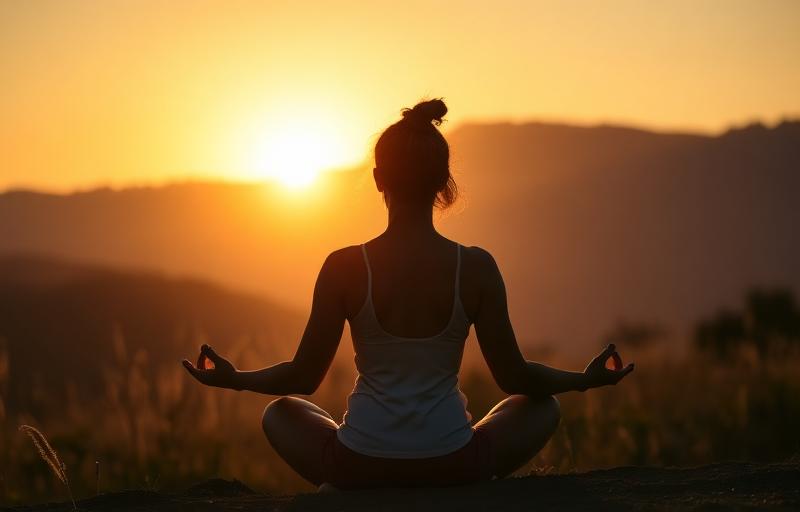
As per tradition, remembering this connection, especially in quiet moments of prayer or meditation, is believed to bring a devotee closer to peace, since it gently dissolves the sense of being ever truly separate from the divine.
Common Questions From Devotees
What is the basic difference between Atman and Paramatma?+
Atman is the individual soul present uniquely within each living being, while Paramatma is the Supreme Soul, the universal divine consciousness present within and beyond all beings at once.
What does Tat Tvam Asi mean?+
Tat Tvam Asi is a great Upanishadic teaching meaning "That thou art," pointing to the idea that the individual Atman shares its deepest nature with the universal Paramatma.
Does every school of Hindu philosophy see Atman and Paramatma as identical?+
No, different schools of Vedanta interpret the relationship differently, some describing complete oneness and others a devotional relationship of closeness, but all regard the bond as intimate.
About the author
Anjali Mehta · Editor, M.A. Religious Studies
Anjali is the managing editor for Vandnaa and oversees the festival and vrat coverage. She holds an M.A. in Religious Studies and reviews every published article for accuracy, accessibility, and tradition-fidelity.
Meet the Vandnaa editorial team →