What Is Moksha
Moksha refers to liberation, the final release of the Atman from the cycle of samsara, birth, death and rebirth. Tradition regards it as the highest of the four Purusharthas, the ultimate aim toward which the other three, dharma, artha and kama, gradually lead.
Moksha is often described less as a place one travels to and more as a recognition, the direct realisation of one's true nature as inseparable from the eternal, beyond the limitations of body and mind.
Scriptural Basis of Moksha
The Upanishads describe moksha as the ultimate fruit of true self-knowledge, the moment ignorance about one's real nature dissolves entirely. The Bhagavad Gita approaches moksha from several directions, teaching that steady devotion, selfless action and deep knowledge can each serve as a genuine path toward it.
Rather than describing a single required method, these scriptures together suggest that moksha can be approached through more than one sincere path, depending on a devotee's own nature and temperament.
The Traditional Paths Toward Moksha
- Karma Yoga, the path of selfless action, performed without attachment to results
- Bhakti Yoga, the path of loving devotion to one's chosen form of the divine
- Jnana Yoga, the path of knowledge and steady inquiry into one's true nature
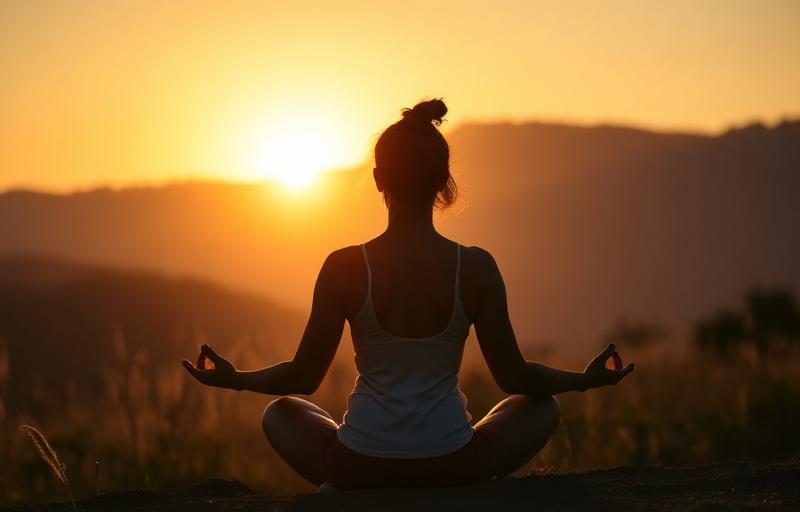
- Raja Yoga, the path of meditation and disciplined inner focus
Tradition does not rank one path above the others as universally superior, teaching instead that different paths suit different temperaments, and that they often support and deepen one another along the way.
What Moksha Means for a Devotee Today
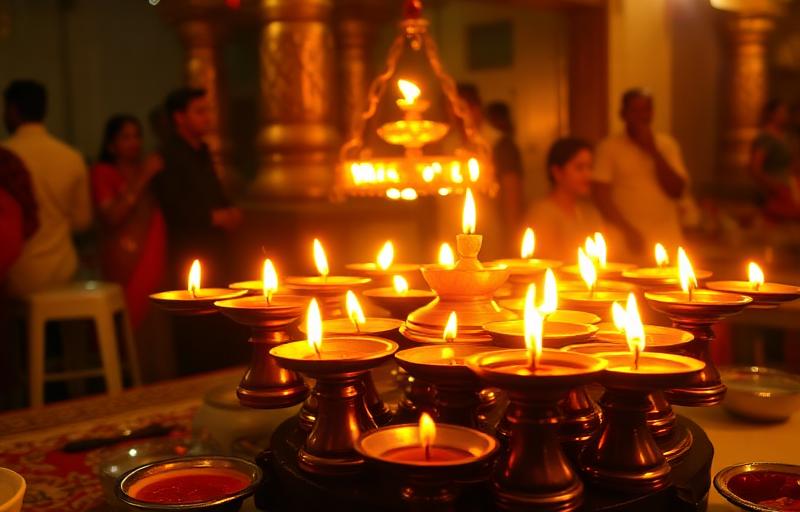
For most devotees, moksha is not a pressing daily concern but a distant horizon that quietly shapes how life is lived, encouraging honesty, detachment from excessive craving, and steady devotion rather than any dramatic renunciation.
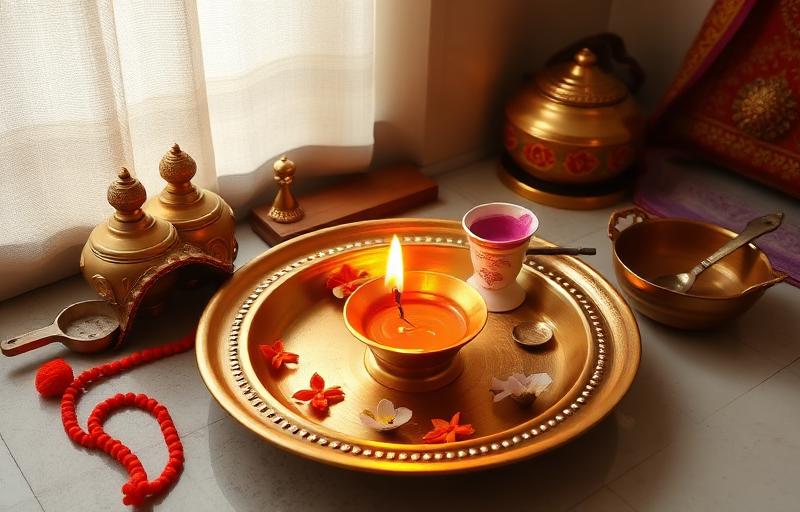
Many find that even small moments, a peaceful puja, a quiet mantra, a selfless act of seva, offer a glimpse of the same freedom and stillness that moksha represents in its fullest form.
The Takeaway
Moksha represents the promise that the restlessness of samsara is not endless, that a state of complete peace and freedom is genuinely attainable. It offers hope rather than pressure, a horizon to walk toward rather than a deadline to fear.
As per tradition, every act of sincere devotion, honest living and selfless service is considered a small step on this path, proof that the journey toward moksha begins not after this life, but within the choices of this very day.
Frequently Asked Questions
What does moksha mean in Hindu philosophy?+
Moksha means liberation, the final release of the Atman from the cycle of samsara, and is considered the highest of the four Purusharthas, the ultimate aim of a spiritual life.
What are the traditional paths to moksha?+
Tradition describes four main paths, Karma Yoga (selfless action), Bhakti Yoga (loving devotion), Jnana Yoga (knowledge and inquiry) and Raja Yoga (meditation), each suited to different temperaments.
Does moksha mean a devotee must renounce ordinary life?+
Not necessarily. While formal renunciation is one traditional path, many devotees pursue moksha gradually through honest living, steady devotion and selfless service while remaining fully engaged in everyday life.
About the author
Anjali Mehta · Editor, M.A. Religious Studies
Anjali is the managing editor for Vandnaa and oversees the festival and vrat coverage. She holds an M.A. in Religious Studies and reviews every published article for accuracy, accessibility, and tradition-fidelity.
Meet the Vandnaa editorial team →