Ram Janmabhoomi - Why Ayodhya Matters to Every Devotee
For crores of devotees, Ayodhya is not simply a city on the banks of the Saryu - it is Ram Janmabhoomi, the sacred ground where Bhagwan Shri Ram took birth as the son of King Dasharatha and Mata Kaushalya. The Ramayana describes Ayodhya as the radiant capital of the Ikshvaku dynasty, a city 'built by the gods themselves'. It is counted among the Saptapuri, the seven moksha-giving cities of Bharat, which is why even a single day spent here is considered deeply purifying. After centuries of longing, the grand Ram Mandir rose on this very spot, and the pran pratishtha of Ram Lalla in January 2024 turned Ayodhya into the spiritual heartbeat of the nation once again. When pilgrims step off the train or bus and hear 'Jai Shri Ram' echoing down the lanes, many describe the feeling not as visiting a monument but as coming home to their aradhya.
The Ram Lalla Murti - Balak Ram in the Garbhagriha
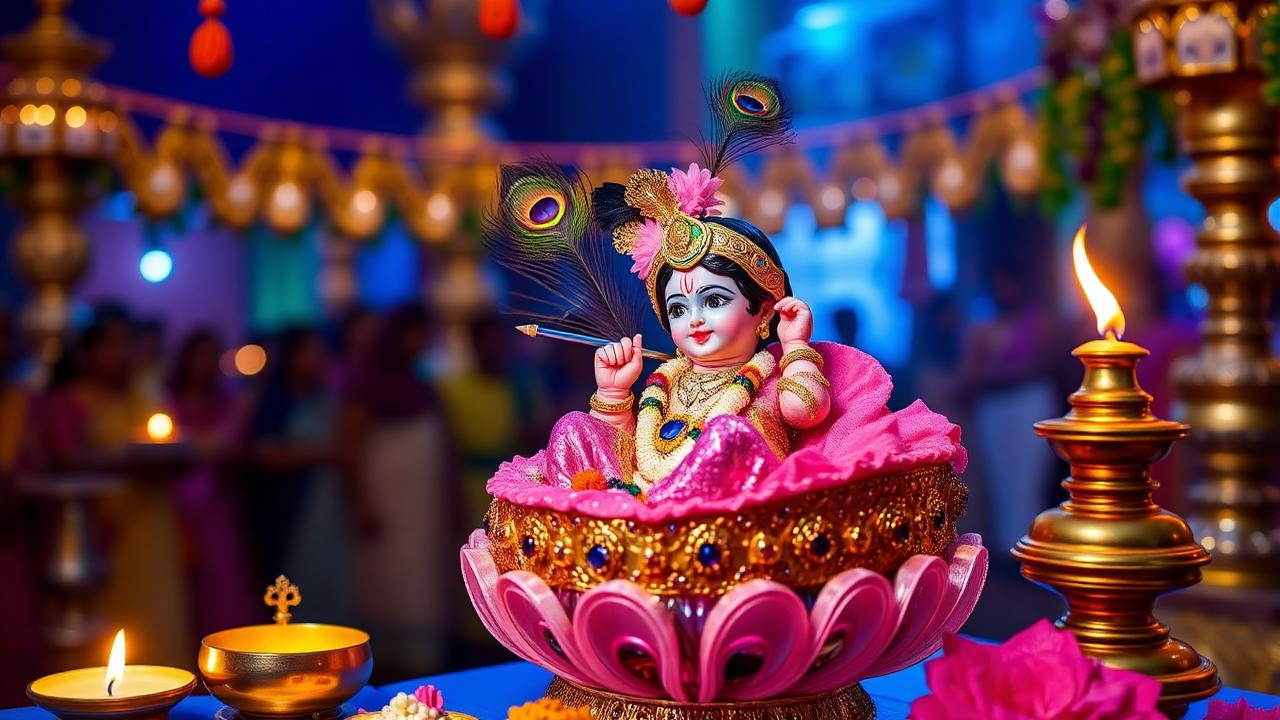
At the heart of the temple stands the enchanting murti of Ram Lalla, also lovingly called Balak Ram - Shri Ram as a five-year-old child. Carved by sculptor Arun Yogiraj from a single block of dark shyam shila stone from Karnataka, the 51-inch murti shows the Lord standing gracefully, holding a golden bow and arrow, with a gentle smile that devotees say follows you long after darshan. Around the deity, the frame depicts the ten avatars of Bhagwan Vishnu, with Hanuman ji and Garuda at the base. The child form is significant: this is the very ground of His birth, so He is worshipped here as a divine child of Ayodhya, not as the king of later years. On Ram Navami, a remarkable Surya Tilak ritual takes place - mirrors and lenses guide a beam of sunlight onto Ram Lalla's forehead at noon, as if Surya Dev himself, ancestor of the Raghuvansh, anoints his descendant.
Temple Architecture - The Majesty of the Nagara Style
The Ram Mandir is one of the grandest examples of the traditional Nagara style of North Indian temple architecture, designed by the Sompura family, hereditary temple architects for generations. Built primarily from pink Bansi Paharpur sandstone of Rajasthan, the main structure famously uses no iron or steel - it relies on ancient interlocking stone techniques meant to last a thousand years. The temple rises across three floors, its shikhara soaring above the sanctum, and pilgrims walk through a sequence of five mandaps - including the Nritya Mandap, Rang Mandap and Sabha Mandap - each held up by ornately carved pillars depicting devis, devatas and scenes from the Ramayana. Hundreds of such pillars and intricately worked doors fill the complex, many panels finished in fine detail. The overall effect is deliberate: as you move from the outer gate toward the garbhagriha, the carvings, chants and architecture together prepare the mind for that one still moment before Ram Lalla.
Darshan and Aarti Flow - What to Expect Inside
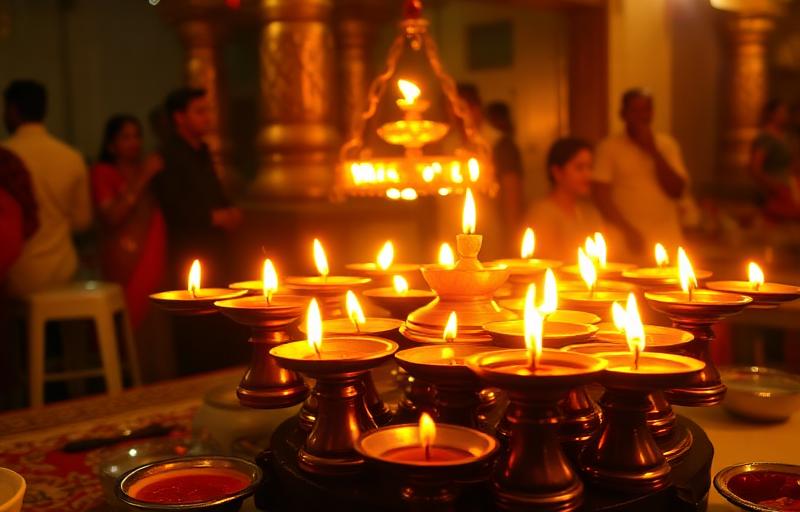
Darshan at the Ram Mandir is well organised but does involve walking and queuing, so come prepared. Pilgrims enter along the Ram Janmabhoomi Path, pass through security checks, and deposit mobile phones, electronics and bags at the locker facilities - phones are not allowed inside, which many devotees later say made their darshan more present and peaceful. The queue then flows through the carved mandaps toward the garbhagriha, where you receive darshan of Ram Lalla from a respectful distance before the line moves on. Through the day the deity is served with a traditional sequence of aartis - mangala and shringar in the early morning, bhog at midday, and sandhya and shayan aarti in the evening. Attending certain aartis requires a pass issued by the temple trust. Since darshan hours, aarti schedules and pass procedures are revised from time to time, always check the official Shri Ram Janmabhoomi Teerth Kshetra Trust sources for current timings before you plan your day.
Beyond the Mandir - Hanuman Garhi, Kanak Bhawan and the Saryu Ghats
Ayodhya's tradition says that Hanuman ji guards the city, so pilgrims customarily seek his permission first at Hanuman Garhi, the fort-like hilltop temple reached by a climb of about 76 steps. Standing in that buzzing courtyard, with bells ringing and 'Bajrangbali ki Jai' all around, is an experience in itself. Next comes Kanak Bhawan, the 'golden palace' that tradition says Mata Kaikeyi gifted to Sita ji upon her wedding - its darbar of Sita-Ram murtis wearing golden crowns is among the most beautiful in Bharat. Then walk down to the Saryu ghats. At Ram ki Paidi, the riverfront steps glow at dusk during the Saryu aarti, when lamps, conches and chants turn the river into a moving prayer. Many pilgrims take a Saryu snan or simply sprinkle the holy water on their head. With time in hand, also visit Nageshwarnath Mahadev, said to be established by Kush, son of Shri Ram, and the serene Guptar Ghat.
Best Time to Visit - Ram Navami, Deepotsav and Quieter Months
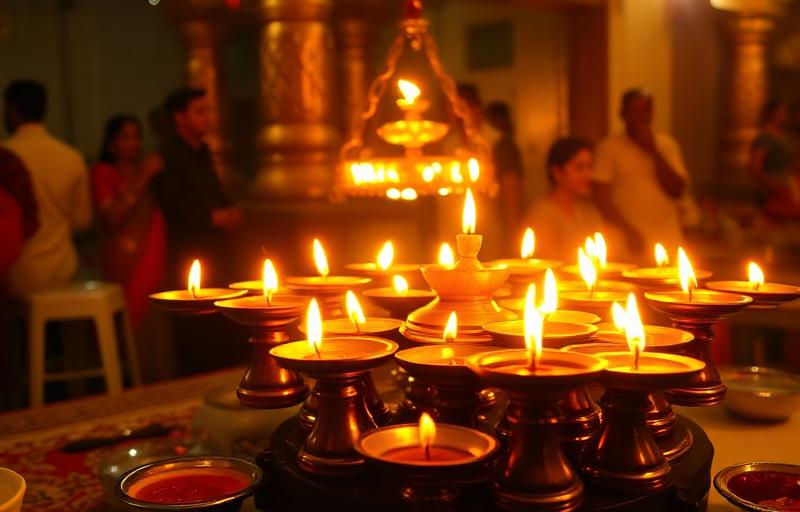
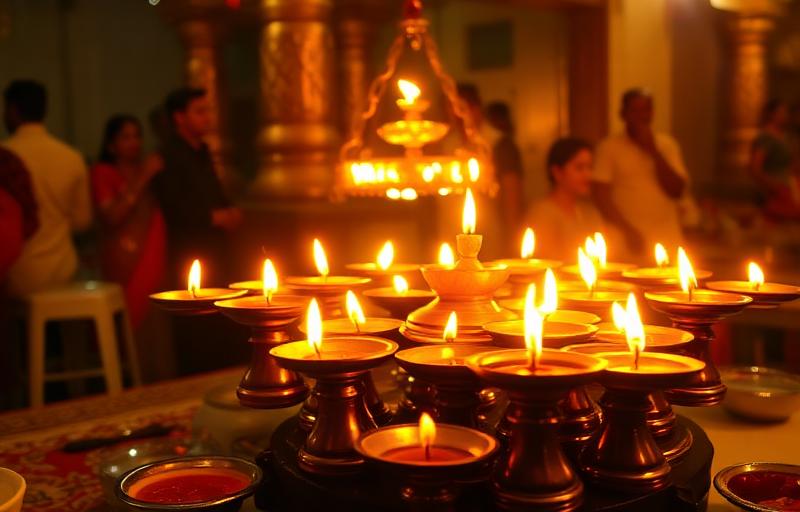
Two occasions transform Ayodhya completely. Ram Navami (March-April) celebrates the Lord's birth in His own birthplace - the city overflows with kirtans, shobha yatras and the Surya Tilak moment, though crowds are at their peak. Deepotsav, in the days before Diwali, recreates the original homecoming of Shri Ram: lakhs of earthen diyas are lit along Ram ki Paidi, an ocean of flame that has repeatedly set world records, with the Saryu reflecting it all. Sawan (July-August) brings the swing festival of Jhula Mela, and Kartik Purnima draws large snan crowds to the Saryu. If you prefer calm, unhurried darshan, choose regular weekdays between October and March, when the weather is pleasant and queues are shorter. Summer afternoons (April-June) are harsh, so plan darshan for early morning. Whichever season you pick, arriving at the mandir early in the day generally means an easier, sweeter darshan.
How to Reach Ayodhya and Practical Pilgrim Tips
Reaching Ayodhya is easier than ever. By air, Maharishi Valmiki International Airport (Ayodhya Dham) has direct flights from major cities, with Lucknow airport (about 135 km) as an alternative. By rail, Ayodhya Dham Junction and Ayodhya Cantt connect to Delhi, Mumbai, Kolkata and beyond. By road, smooth highways link Lucknow (roughly 2.5 hours), Gorakhpur and Varanasi, with regular buses and taxis. A few practical tips will keep your yatra smooth: 1. Carry minimal belongings on mandir day - phones, smartwatches and bags must go into lockers. 2. Wear modest, comfortable clothing and footwear that slips off easily. 3. Do Hanuman Garhi and Kanak Bhawan in the same circuit; they sit close to each other. 4. Keep one evening free for the Saryu aarti at Ram ki Paidi. 5. Elderly pilgrims should use the assistance facilities the trust provides and avoid peak festival rush. 6. For aarti passes, darshan hours and any special arrangements, rely only on official trust sources, not hearsay.
Quick Answers
Are mobile phones allowed inside the Ram Mandir?+
No. Mobile phones, smartwatches, earphones and bags are not permitted inside the temple. Locker facilities are provided near the entry points to deposit them safely. Carry only essentials, and check official trust guidance for the current list of restricted items before you go.
How many days are enough for an Ayodhya yatra?+
Two days are comfortable. Day one covers Ram Mandir darshan, Hanuman Garhi and Kanak Bhawan; day two covers Nageshwarnath, the Saryu ghats, a snan and the evening Saryu aarti at Ram ki Paidi. With only one day, start very early and keep the evening for the aarti.
What are the Ram Mandir darshan timings?+
Darshan and aarti schedules are revised from time to time, especially around festivals, so we do not list fixed hours here. Always check the official Shri Ram Janmabhoomi Teerth Kshetra Trust sources for current darshan timings, aarti schedules and pass procedures shortly before your visit.
What is the Surya Tilak of Ram Lalla?+
On Ram Navami, an arrangement of mirrors and lenses channels a beam of sunlight onto the forehead of Ram Lalla at around noon, the traditional birth moment of Shri Ram. Since the Raghuvansh traces its lineage to Surya Dev, devotees see it as the Sun himself anointing his descendant.
Should I visit Hanuman Garhi before the Ram Mandir?+
Yes, by long-standing tradition. Hanuman ji is regarded as the kotwal (guardian) of Ayodhya, so pilgrims first take his darshan and blessings at Hanuman Garhi before proceeding to Ram Lalla. It is a custom of respect, not a strict rule, but most yatris happily follow it.
Where and when does the Saryu aarti take place?+
The main Saryu aarti is performed at dusk on the ghats of Ram ki Paidi, with lamps, conch sounds and collective chanting along the river. It is held every evening and becomes especially grand during Deepotsav and Kartik Purnima. Arrive a little before sunset for a good spot, and verify the day's schedule locally.
About the author
Acharya Vinaya Kapoor · M.A. Sanskrit, Mantra & Stotra Studies
Acharya Vinaya holds an M.A. in Sanskrit from Banaras Hindu University and writes the mantra and stotra commentary on Vandnaa. Her focus is on accurate pronunciation, traditional context, and helping modern readers connect with classical texts.
Meet the Vandnaa editorial team →