What Is the Saptapuri
The Saptapuri are the seven most sacred cities of Hinduism, each believed to grant moksha - liberation from the cycle of birth and death - to those who live, die or worship there with devotion. A traditional verse names them as Ayodhya, Mathura, Maya (Haridwar), Kashi, Kanchi, Avantika (Ujjain) and Dwarka (Dwaravati). Together they cover the realms of Vishnu, Shiva and the Devi, and form a complete spiritual map of the land.
Ayodhya and Mathura - Cities of Rama and Krishna
Ayodhya, on the banks of the Sarayu in Uttar Pradesh, is the birthplace of Lord Rama and the heart of the Ramayana, revered for the Ram Janmabhoomi temple and its many ghats. Mathura, on the Yamuna, is the birthplace of Lord Krishna, where the Krishna Janmasthan and nearby Vrindavan draw devotees year round. Both cities glorify Vishnu's great avatars and resound with Ram-naam and Krishna bhajans.
Haridwar and Kashi - Gateways to the Divine
Haridwar (Maya), where the Ganga enters the plains, is the gateway to the Himalayan shrines and famous for the Ganga Aarti at Har Ki Pauri and the Kumbh Mela. Kashi (Varanasi), the city of Lord Shiva on the Ganga, is held to be the oldest living city and the most certain giver of moksha - those who die here are said to attain liberation directly. Its Kashi Vishwanath temple and burning ghats make it the spiritual heart of Bharat.
Kanchi, Avantika and Dwarka

Kanchi (Kanchipuram) in Tamil Nadu is the 'city of a thousand temples', sacred to both Shiva and Vishnu and home to the Kamakshi Amman temple. Avantika (Ujjain) on the Shipra is the city of Mahakaleshwar, one of the twelve Jyotirlingas, and a Kumbh Mela site. Dwarka in Gujarat is the kingdom of Lord Krishna by the Arabian Sea, one of the Char Dham, whose Dwarkadhish temple completes the seven moksha-giving cities.
Why These Cities Grant Moksha
Each Saptapuri is sanctified by the presence or play (leela) of a great deity, by sacred rivers, and by the unbroken worship of countless saints over the ages. Living, dying or even sincerely visiting them is believed to wash away karmas and turn the mind toward the divine. They are not merely places but living centres of grace, where the boundary between the earthly and the eternal grows thin.
Pilgrimage Tips for the Saptapuri
1. Plan by region - the northern cities (Ayodhya, Mathura, Haridwar, Kashi) and the others (Kanchi, Ujjain, Dwarka) are often done in separate trips. 2. Visit during festivals like Diwali in Ayodhya, Janmashtami in Mathura and Dwarka, or Shivaratri in Kashi and Ujjain for the fullest experience. 3. Take a holy dip where rivers permit, but respect local rules and cleanliness. 4. Dress modestly, carry essentials, and move with patience and devotion rather than hurry.
A Mantra for the Pilgrim
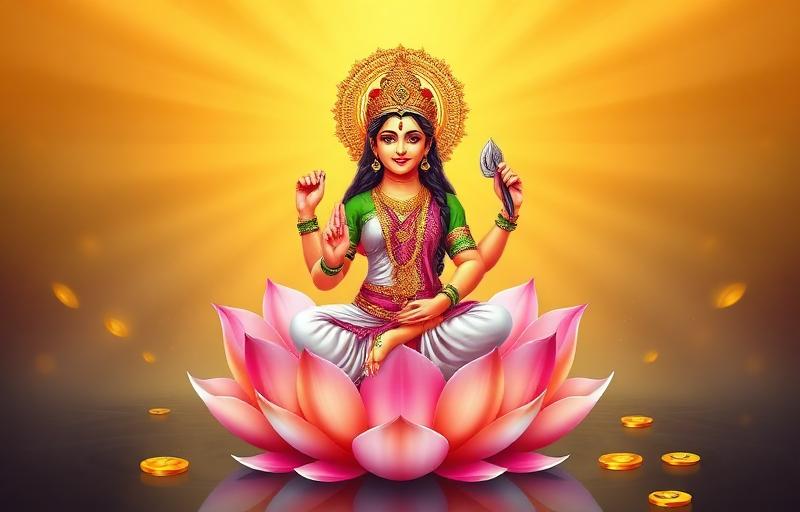
A simple shloka traditionally recited to remember the seven cities is:
Ayodhya Mathura Maya Kashi Kanchi Avantika. Puri Dwaravati chaiva saptaita moksha-dayikah.
This verse lists all seven moksha-giving puris in one breath. Chanting it, along with the name of one's chosen deity such as Om Namah Shivaya or Om Namo Bhagavate Vasudevaya, keeps the heart fixed on liberation throughout the pilgrimage.
What People Ask Most
What are the seven Saptapuri cities?+
The seven cities are Ayodhya, Mathura, Maya (Haridwar), Kashi, Kanchi, Avantika (Ujjain) and Dwarka. Each is believed to grant moksha to devout pilgrims.
Why are these cities called moksha cities?+
They are sanctified by the play of great deities, sacred rivers and ages of saintly worship. Living, dying or sincerely visiting them is believed to wash away karmas and grant liberation.
Which deities are linked to the Saptapuri?+
Ayodhya is linked to Rama, Mathura and Dwarka to Krishna, Kashi and Ujjain to Shiva, Haridwar to the Ganga and Vishnu, and Kanchi to both Shiva and the goddess Kamakshi.
Which Saptapuri is considered the holiest?+
Kashi (Varanasi) is often called the holiest, regarded as the oldest living city and the most certain giver of moksha, where those who die are said to attain liberation directly.
Is there a mantra to remember the seven cities?+
Yes. The shloka 'Ayodhya Mathura Maya Kashi Kanchi Avantika, Puri Dwaravati chaiva saptaita moksha-dayikah' lists all seven moksha-giving cities in one verse.
How should one plan a Saptapuri pilgrimage?+
Plan by region, as the cities are spread across India. Visiting during major festivals, taking holy dips where allowed, and moving with patience and devotion give the fullest experience.
About the author
Pandit Ravindra Sharma · Vedic Rituals & Bhakti, 22+ years
Pandit Ravindra is the Vandnaa editorial team's resident specialist on aarti, chalisa, and daily devotion. He has performed home and temple pujas across Varanasi and Delhi for over two decades and contributes the bhakti-focused articles on this site.
Meet the Vandnaa editorial team →Explore on Vandnaa
Related Articles

Amarnath Yatra - Significance & Ice Shivling Darshan
9 min read

Sabarimala Ayyappa Temple - Significance, Vratham & Yatra
9 min read
Padmanabhaswamy Temple - Significance & Darshan Guide
9 min read
Om Namah Shivaya Mantra Benefits & Meaning (ॐ नमः शिवाय)
9 min read
Krishna Aarti Lyrics in Hindi & English - Aarti Kunj Bihari Ki
9 min read
Vishnu Aarti Lyrics - Om Jai Jagdish Hare in Hindi & English
8 min read