The Hanuman Who Lies Down
Almost every Hanuman murti in India stands, kneels or flies. At Bade Hanuman ji near the Sangam in Prayagraj, he lies down.
What you see:
- A very large murti, around twenty feet in length, in a reclining posture
- The murti placed below ground level, so that devotees look down into the sanctum from the surrounding walkway
- A red sindoor covering, renewed constantly, which is how Hanuman is dressed across north India
- The Sangam a short distance away, and the fort wall of Prayagraj nearby
The temple is locally called Lete Hue Hanuman ji, the reclining Hanuman, and Bade Hanuman ji, the great Hanuman, and both names are used.
The posture is what everyone asks about. The tradition offers more than one account, and the temple's devotees do not treat the variation as a problem.
- One account describes Hanuman resting after carrying the Dronagiri mountain and completing an exhausting task
- Another describes him at rest after the return from Lanka, having set down a burden
- A third relates the murti's arrival at this spot through a merchant whose boat would not move until the image was placed here
What all the accounts share is the theme of a servant at rest after work, which for a deity defined by tireless service is a striking thing to enshrine.
When the Ganga Comes In
The temple's most remarkable feature is what happens in the monsoon.
Because the murti sits below ground level near the confluence, the rising Ganga enters the sanctum during the flood season, most years, and covers the deity partly or completely.
What happens then:
- The temple's movable articles are removed and the sanctum is left to the river
- Darshan stops for the period the water remains
- When the level falls, the sanctum is cleaned, the murti is re dressed with sindoor and worship resumes
- The event draws considerable attention each year, and photographs of the submerged sanctum circulate widely
How devotees understand it is the interesting part. The flooding is not treated as damage or as an inconvenience to be engineered away. It is described as the Ganga coming to give Hanuman his bath, and the priests speak of it as an annual visit rather than a disaster.
That framing tells you something about how riverside religion works in north India. The river is not a hazard managed by the temple. The river is a participant, and the temple's calendar accommodates her.
If you are planning a visit during the monsoon, check locally before travelling, since darshan may be suspended when the water is in.
How He Is Worshipped
Worship here follows the north Indian Hanuman pattern, with the temple's own scale.
- Sindoor and chola, the red covering, offered and renewed, which is the central offering to Hanuman
- Chameli oil with the sindoor, as is customary
- Boondi laddu and prasad distributed at the temple
- Hanuman Chalisa recited by devotees, individually and in groups, through the day
- Tuesdays and Saturdays as the heaviest days, which is standard for Hanuman shrines across north India
- Nishan, the flag, offered by devotees completing vows
What people come for is what people generally come to Hanuman for:
- Courage and protection, particularly for those facing fear or hostility
- Relief from obstacles in work, litigation and family matters
- Strength during illness and difficulty, understood alongside and never instead of medical treatment
- Completion of vows, with many devotees returning after a matter is resolved
The scale of the temple during Magh Mela and Kumbh is extraordinary. Because it sits on the route between the city and the Sangam, essentially everyone passing to the confluence stops here, and queue management becomes the temple's main daily work for weeks.
Hanuman's Postures and What They Mean
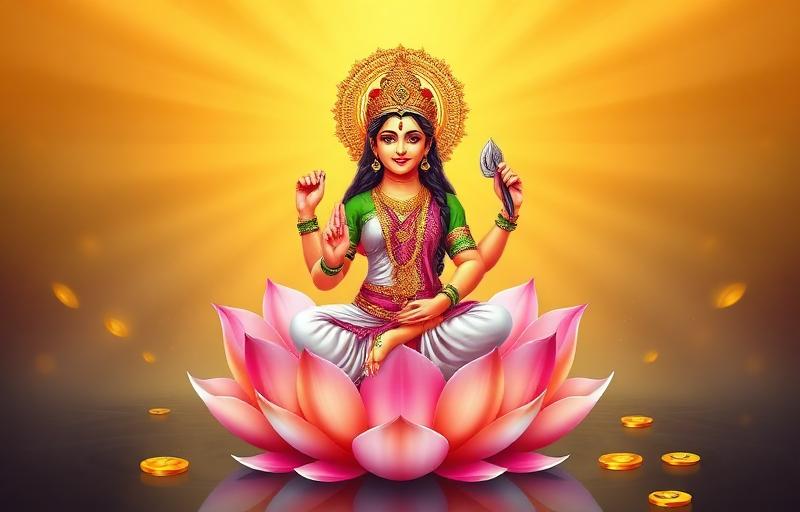
Because the reclining form is so unusual, it is worth setting it beside the more familiar ones.
- Standing with folded hands, the servant before Rama, which is the most common devotional image
- Flying with the mountain, carrying Dronagiri for the Sanjeevani, the image of urgency and service
- Tearing open his chest, revealing Rama and Sita within, the image of devotion as identity
- Kneeling before Rama, receiving instruction
- Panchmukhi, the five faced form from the Ahiravana episode
- Vira Hanuman, the warrior form, with the gada raised
- Reclining, as at Prayagraj, which is rare
What the reclining form adds is rest. Every other posture shows Hanuman doing something. Prayagraj shows him having done it.
For devotees, that has a particular resonance. Hanuman is the deity of those who work, carry burdens and are expected to keep going. A shrine where he is lying down, and where the river comes to bathe him, is a shrine that acknowledges the cost of that.
It is also worth noting how much of Hanuman worship is physical rather than textual. Sindoor applied by hand, oil poured, flags tied, laddus offered, the Chalisa said aloud. Prayagraj fits this exactly, and the below ground sanctum means devotees look down at a resting figure rather than up at a standing one.
The Temple and the Sangam
Bade Hanuman ji cannot be separated from its location, which is the whole reason for its scale.
- It stands near the Sangam, the confluence of the Ganga and the Yamuna, with the tradition of the Saraswati joining unseen
- It is beside the fort of Prayagraj, within which stands the Akshayavat, the imperishable banyan
- It is on the route almost every pilgrim takes to and from the confluence
- During Magh Mela, held annually, and the Kumbh in its cycle, the surrounding sands become a temporary city
The local pilgrimage sequence usually runs:
- Snan at the Sangam, the central act of a Prayag visit
- Bade Hanuman ji, immediately afterwards
- Akshayavat within the fort, subject to access arrangements
- Nag Vasuki at Daraganj
- Alopi Devi, Lalita Devi and Kalyani Devi in the city
What makes Prayagraj distinctive among north Indian pilgrimage cities is that the central object of devotion is not a temple at all. It is water, and a meeting of waters, with the shrines arranged around it.
Bade Hanuman ji is the largest of those shrines, and the fact that the river physically enters it each year is a fairly precise expression of how the city's religion is organised.
Visiting Bade Hanuman ji
Practical notes for a visit.
Getting there
- The temple is near the Sangam in Prayagraj, beside the fort, and is signposted from every approach
- Prayagraj Junction is the main railway station, with autos and e rickshaws running to the Sangam area
- Traffic near the Sangam is restricted during mela periods, and the last stretch is usually walked
When to go
- Tuesday and Saturday are the busiest ordinary days
- Hanuman Jayanti brings very large crowds
- Magh Mela, through the month of Magh, and the Kumbh in its cycle, are the largest gatherings
- Monsoon months may see darshan suspended when the Ganga enters the sanctum, so check locally
- Early morning on an ordinary weekday is the calmest darshan
At the temple
- Offerings are sindoor, chameli oil, laddu and flowers, available from stalls outside
- Remove footwear at the designated place and follow the queue arrangement
- Photography restrictions apply in the sanctum area, so ask before taking pictures
- Keep valuables secure, since the approach is crowded
One suggestion. Take Sangam snan first, then walk up to the temple with wet hair as everyone else does. The sequence is the point. You come from the river, and inside you find the deity the river visits.
What People Ask Most
Why is Hanuman shown reclining at this temple?+
The tradition gives more than one account: Hanuman resting after carrying the Dronagiri mountain, resting after the return from Lanka, or the murti arriving here through a merchant whose boat would not move until it was placed at this spot. All the accounts share the theme of rest after service.
Does the Ganga really flood the sanctum?+
Yes. Because the murti sits below ground level near the confluence, the rising Ganga enters the sanctum most monsoons and covers the deity partly or completely. Darshan stops until the water falls, and devotees describe it as the river coming to bathe Hanuman.
What is offered at the temple?+
Sindoor and chola with chameli oil, which is the central offering to Hanuman across north India, along with boondi laddu, flowers and flags offered by devotees completing vows. The Hanuman Chalisa is recited through the day.
When is the temple busiest?+
Tuesdays and Saturdays through the year, Hanuman Jayanti, and above all the Magh Mela through the month of Magh and the Kumbh in its cycle, when nearly every pilgrim heading to or from the Sangam stops here.
How large is the murti?+
It is around twenty feet in length, in a reclining posture, placed below ground level so that devotees look down into the sanctum from the walkway around it. This is why the temple is called Bade Hanuman ji, the great Hanuman.
How does it fit into a Prayagraj pilgrimage?+
Most pilgrims take snan at the Sangam first and come to Bade Hanuman ji immediately afterwards, then visit Akshayavat within the fort, Nag Vasuki at Daraganj and the Devi shrines of the city such as Alopi Devi, Lalita Devi and Kalyani Devi.
About the author
Pandit Ravindra Sharma · Vedic Rituals & Bhakti, 22+ years
Pandit Ravindra is the Vandnaa editorial team's resident specialist on aarti, chalisa, and daily devotion. He has performed home and temple pujas across Varanasi and Delhi for over two decades and contributes the bhakti-focused articles on this site.
Meet the Vandnaa editorial team →Explore on Vandnaa
Related Articles

Nag Vasuki of Prayagraj: The Serpent Who Was the Rope of the Churning
8 min read
Sankat Mochan Hanuman Temple Varanasi - Significance
8 min read
Bhukund Bhairav: The Deity Who Guards Kedarnath Through Six Months of Snow
8 min read
Kilkari Bhairav Baba: Delhi's Pandava Era Guardian and the Temple Beside Purana Qila
8 min read