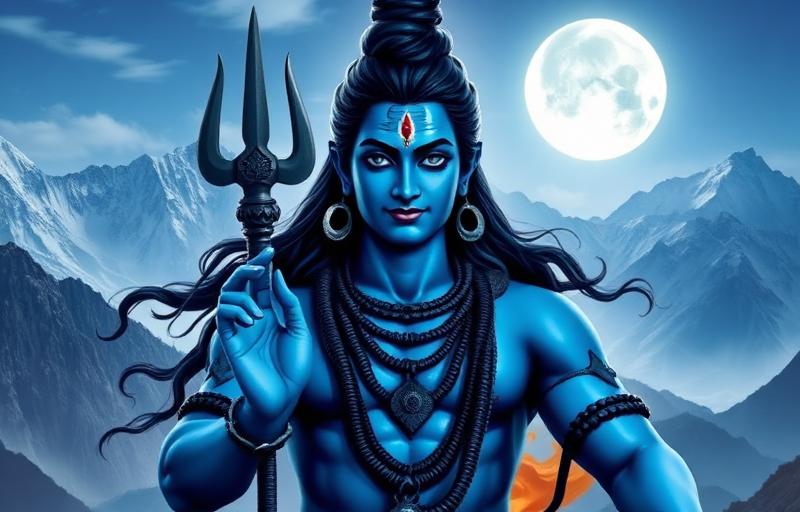
The Katha of the Tiger and the Cow
Bageshwar, a town in the Kumaon hills of Uttarakhand, sits at the confluence of the Sarayu and the Gomti, and its principal temple is Bagnath, dedicated to Shiva.
The name comes from a katha that everyone in the town knows.
Rishi Markandeya was performing tapas at this spot. His practice was such that no one could pass, and the path along the river was effectively closed while he sat.
Shiva decided to intervene, and did so in a way characteristic of him. He took the form of a tiger, and Parvati took the form of a cow.
The tiger attacked the cow, and the cow's cry of distress was such that Markandeya opened his eyes and broke his tapas to save her.
At that moment Shiva and Parvati revealed themselves. Markandeya received their darshan, the path was opened, and Shiva remained at this place as Bagnath, from bagh, tiger. The town's name, Bageshwar, comes from Vyaghreshwar, the lord in tiger form.
What devotees draw from the katha:
- Shiva breaks the tapas not to punish the rishi but to give him darshan
- The method chosen is one that works on compassion rather than power. Markandeya opens his eyes because a cow is in distress, not because he was overwhelmed.
- A tapas so complete that it blocks a road is treated in the katha as something to be gently interrupted rather than admired
The Temple at the Sangam
The Bagnath temple stands at the meeting of the two rivers, in the middle of Bageshwar town.
What is there:
- The main shrine, with a linga, in a stone structure of Kumaoni hill temple style
- A collection of stone sculptures in and around the complex, several dating to the medieval period, gathered from the site and the surrounding area
- The sangam of the Sarayu and Gomti below, with ghats used for snan
- Smaller shrines within the complex
The present structure is generally attributed to the Chand rulers of Kumaon, with construction and rebuilding in the fifteenth and sixteenth centuries, and the site is understood to be considerably older than the standing temple.
The sculptures are the part visitors notice. Stone images gathered here over time include Shaiva, Vaishnava and Devi figures in the styles of the region, and they are a reminder that Bageshwar sat on an old route rather than in isolation.
Worship follows the standard Shaiva pattern. Bel patra, water, milk, flowers and dhoop, with Mondays and Mahashivratri as the main days. Devotees bathe at the sangam before darshan, particularly during festivals.
The Uttarayani Mela
The Uttarayani mela at Bageshwar, held from Makar Sankranti, is the largest fair in Kumaon and one of the oldest in the Himalaya.
What it was, historically:
- A trade fair as much as a religious gathering, held when the sun turns north and the season permits movement
- Bhotiya traders from the high valleys along the Tibet border brought salt, borax, wool, and Tibetan goods
- Traders from the plains and the middle hills brought grain, cloth, jaggery and manufactured items
- The two met at Bageshwar, and the fair was the point at which the mountain economy connected to the plains one
- Alongside the trade ran the snan at the sangam, darshan at Bagnath, and the cultural life of the fair, with jhoda and chanchari, the circle dances of Kumaon
The fair also has a place in modern history. In 1921, at the Uttarayani mela, a large gathering resolved to end the practice of coolie begar, the forced unpaid labour that hill villagers were required to provide to officials, and the pledges taken at Bageshwar became a significant moment in Kumaon's political history.
Today the trade element has changed beyond recognition, since the Tibet border trade routes closed, but the mela continues, with the snan at the sangam, darshan at Bagnath, cultural programmes and a large fair.
For visitors, Makar Sankranti at Bageshwar is the best time to see Kumaon's own devotional and cultural life in one place.
Who Markandeya Was
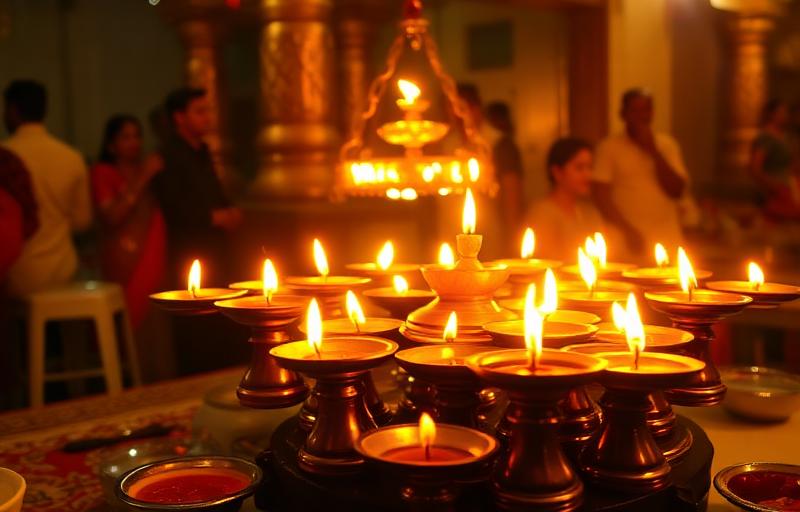
The rishi in this katha is not a minor figure, and knowing his story adds to the site.
Markandeya appears across Puranic literature, and his own katha is among the best known:
- He was born to parents who had been offered a choice between a gifted son with a very short life and an ordinary son with a long one, and chose the first
- Knowing his lifespan was to end at sixteen, he devoted himself entirely to Shiva
- When the appointed moment came and Yama arrived, Markandeya held on to the Shivling in worship
- Shiva appeared and intervened, and Markandeya was granted immortality as a chiranjivi, remaining sixteen
The Markandeya Purana carries his name, and it contains the Devi Mahatmya, the text recited during Navratri across India, which makes him one of the most consequential figures in the Shakta tradition as well.
His presence in the Bagnath katha therefore carries weight. A rishi who defeated death through tapas is the one whose tapas Shiva chooses to interrupt, and the method used is a cow in distress.
Markandeya is associated with several sites across India, and the Kumaon tradition places this episode at the Sarayu and Gomti sangam. For devotees who know the Devi Mahatmya and recite it every Navratri, standing at a site connected to the rishi whose name the text carries adds something to the visit.
Bageshwar in the Kumaon Circuit
Bageshwar sits at a junction in Kumaon, and it connects naturally to several important sites.
- Bagnath, Bageshwar - the sangam temple described here
- Baijnath, on the Gomti a short distance away, with its group of medieval stone temples in a beautiful riverside setting
- Jageshwar Dham, one of the most significant Shaiva sites in the Himalaya, with over a hundred stone temples in a deodar valley
- Kot Bhramari, the Devi shrine associated with Nanda Devi worship, in the same district
- Pindari, Sunderdhunga and Kafni glacier trails, which begin from this district and are approached through Bageshwar
- Almora, Kasar Devi and Chitai Golu further west
Bageshwar is also the traditional gateway to the high valleys and the old routes toward the Tibet border, which is what made it a trading centre and what gave the Uttarayani mela its original character.
For a devotee planning a Kumaon trip, a workable sequence is Almora as a base, with Jageshwar and Chitai from there, then Bageshwar with Baijnath, and Kot Bhramari added if time allows.
That covers the Shaiva sites, the Golu Devta justice shrine, the Nanda Devi association and the Bagnath sangam, which together give a fairly complete picture of what Kumaon actually worships.
Visiting Bageshwar
Bageshwar is a working hill town rather than a resort, and a visit is straightforward.
- Location - Bageshwar district, Kumaon, Uttarakhand, at the Sarayu and Gomti sangam
- Access - by road from Almora, Kausani, Haldwani and Kathgodam, which is the nearest railhead. Kausani to Bageshwar is a short and very scenic drive.
- Best time - March to June and September to November. Makar Sankranti for the Uttarayani mela, when the town is at its busiest and coldest.
- What to carry - bel patra and offerings for the temple, warm clothing outside summer, and a change of clothes if you plan to bathe at the sangam
- Time needed - the temple takes an hour, the town half a day, and Baijnath can be added the same day
Etiquette at the temple is standard: footwear off, no photography in the sanctum, and follow the queue on festival days.
One suggestion. Walk down to the sangam after darshan rather than leaving straight from the temple. The meeting of the Sarayu and the Gomti is the reason the town is where it is, the ghats are used by local families through the day, and standing there for a while is how the katha of the tiger and the cow settles into place. Everything about Bageshwar follows from that confluence.
Frequently Asked Questions
Why is the temple called Bagnath?+
Because tradition says Shiva came here in the form of a tiger, bagh, with Parvati as a cow, to break the tapas of Rishi Markandeya and give him darshan. The town's name, Bageshwar, comes from Vyaghreshwar, the lord in tiger form.
Where is the Bagnath temple?+
In Bageshwar town in Kumaon, Uttarakhand, at the confluence of the Sarayu and the Gomti. The present structure is generally attributed to the Chand rulers of Kumaon, with the site understood to be considerably older.
What is the Uttarayani mela?+
The fair held at Bageshwar from Makar Sankranti, the largest in Kumaon. Historically it was a trade fair where Bhotiya traders from the Tibet border valleys met traders from the plains, alongside snan at the sangam and darshan at Bagnath.
Who was Rishi Markandeya?+
A rishi destined to die at sixteen who devoted himself entirely to Shiva and, when Yama came, held on to the Shivling until Shiva intervened and granted him immortality. The Markandeya Purana carries his name and contains the Devi Mahatmya recited during Navratri.
What else can be visited near Bageshwar?+
Baijnath on the Gomti with its medieval stone temples, Jageshwar Dham with over a hundred temples in a deodar valley, Kot Bhramari in the same district, and Almora with Kasar Devi and the Chitai Golu Devta temple further west.
What happened at the Uttarayani mela in 1921?+
A large gathering at the mela resolved to end coolie begar, the forced unpaid labour hill villagers were required to provide to officials. The pledges taken at Bageshwar became a significant moment in Kumaon's political history.
About the author
Pandit Ravindra Sharma · Vedic Rituals & Bhakti, 22+ years
Pandit Ravindra is the Vandnaa editorial team's resident specialist on aarti, chalisa, and daily devotion. He has performed home and temple pujas across Varanasi and Delhi for over two decades and contributes the bhakti-focused articles on this site.
Meet the Vandnaa editorial team →Explore on Vandnaa
Related Articles
Jageshwar Dham: The Deodar Grove of a Hundred Shiva Temples
7 min read
Golu Devta: Kumaon's God of Justice and the Temples Covered in Bells and Letters
8 min read
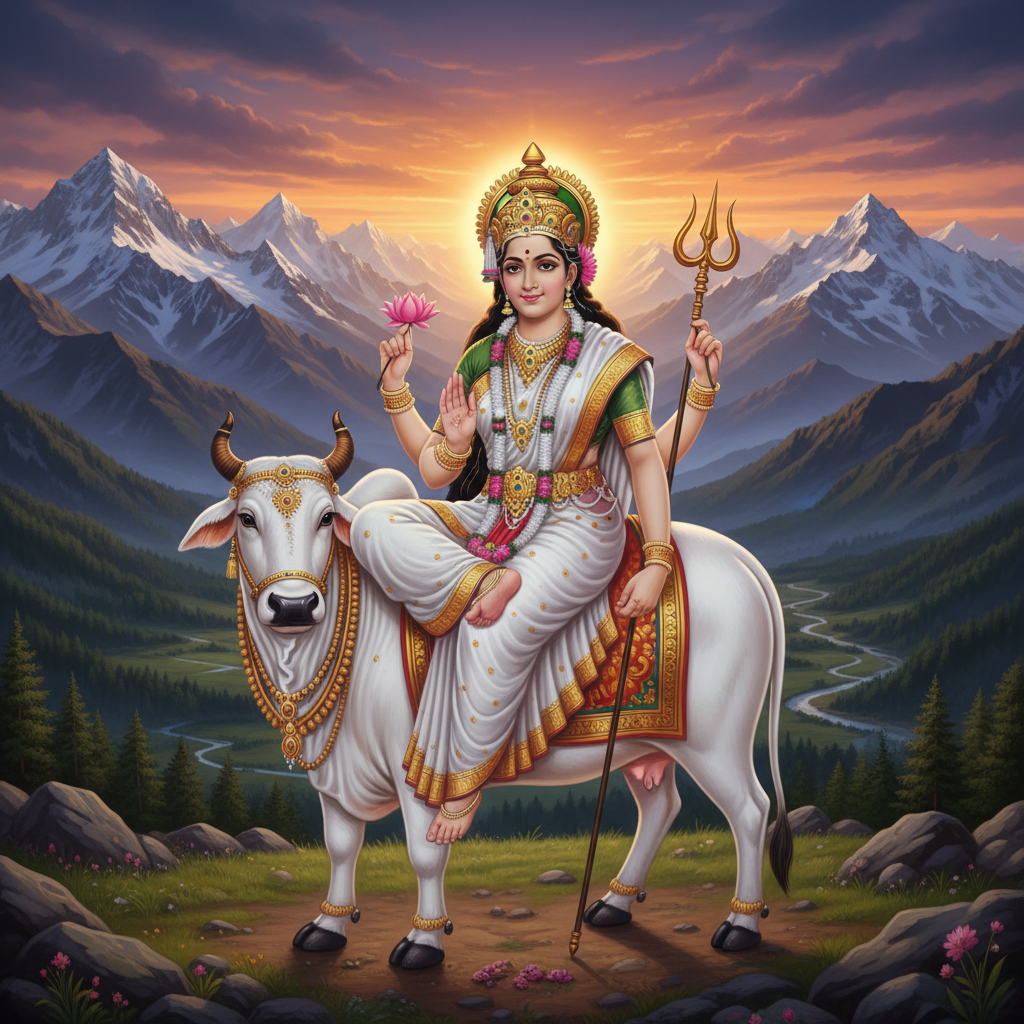
Nanda Devi: The Daughter of the Hills Uttarakhand Sends Home Every Twelve Years
9 min read
Kasar Devi Temple, Almora: An Ancient Shrine on a Himalayan Ridge
6 min read