The Goddess of the Sacred Spring
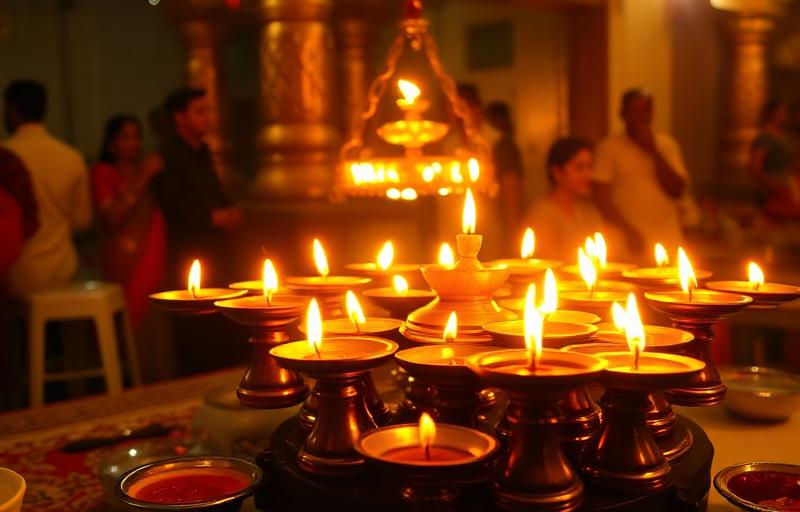
In the Balkampet locality of Hyderabad stands an ancient temple dedicated to Goddess Yellamma, worshipped here as a form of Renuka Devi. What makes this temple especially distinctive is the natural spring that flows within its sanctum, a continuous source of water that devotees regard as a sign of the goddess's living presence.
Unlike many temples built around a carved idol alone, the presence of living water at Balkampet gives the shrine a particular sense of vitality, and devotees believe the goddess herself sustains this spring, considering it deeply auspicious to receive a few drops of this water as tirtha.
History and Katha of Renuka Devi
Yellamma is widely identified with Renuka, the wife of the sage Jamadagni and mother of Parashurama, one of the celebrated figures of Hindu tradition. The katha of Renuka's devotion, her trials, and her eventual elevation to goddess status is cherished across several South Indian states, with Yellamma temples found from Karnataka to Andhra Pradesh and Telangana.
The Balkampet temple itself is believed to be centuries old, growing from a small local shrine tied to the sacred spring into an important place of devotion for the wider Hyderabad region, its history closely tied to the community's continued reverence for the mother goddess.
Significance and What Devotees Pray For
Devotees visit Balkampet Yellamma seeking relief from personal difficulties, protection for their families, and blessings for marital harmony, given Renuka's own story as a devoted wife and mother. She is also approached for general wellbeing and the resolution of long-standing troubles believed to require the mother's direct grace.
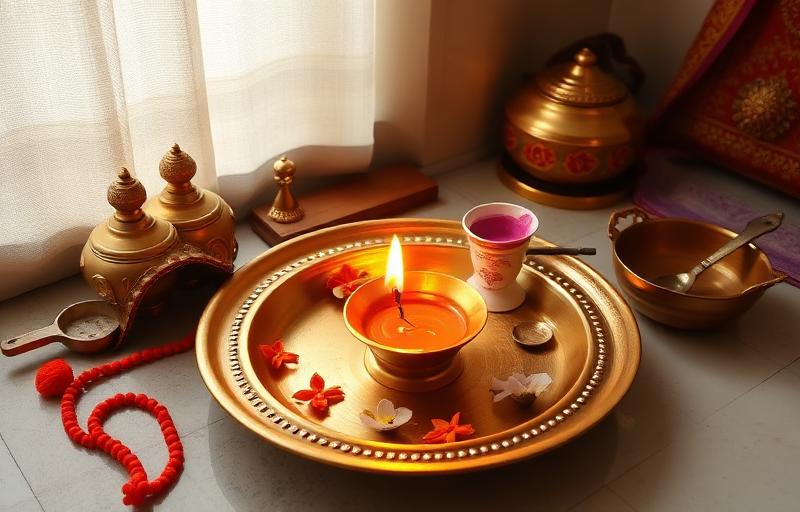
Women in particular hold a special devotion to Yellamma, seeing in her story both the trials and the eventual grace granted to a woman of unwavering faith. Devotees offer turmeric, vermillion, bangles and coconuts, and many undertake simple vrata or fasting before an important prayer here.
Darshan Guide
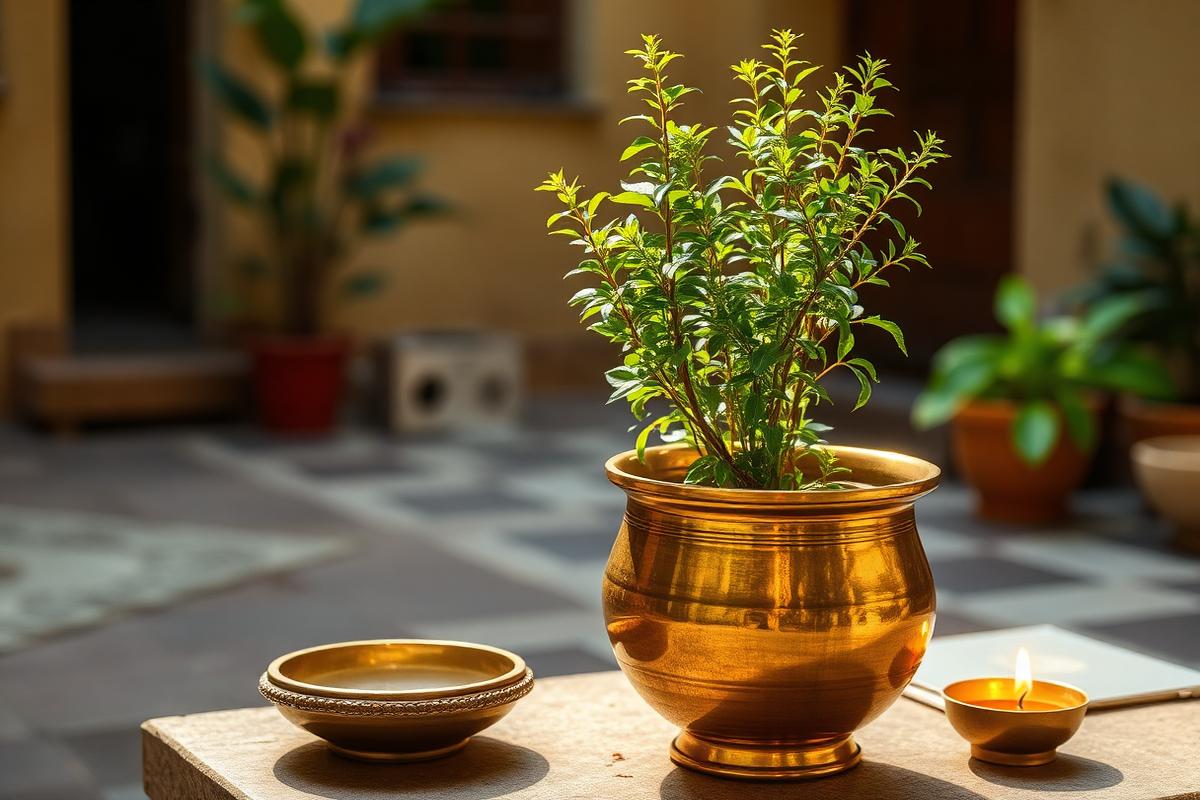
The temple opens early morning and follows a schedule of darshan through the day, closing at night, with special extended hours during festival periods. As always, exact timings should be confirmed locally since they may change with season and occasion.
Tuesdays and Fridays are considered especially auspicious for visiting Yellamma, drawing larger crowds than ordinary weekdays, while Navratri and other major Devi festivals see the temple decorated and thronged with devotees. Early morning visits are recommended for a quieter, more contemplative darshan.
How to Reach
Balkampet is a well-known locality within Hyderabad, easily reached by local buses, autos and app-based taxis from any part of the city. The nearest major railway stations are Secunderabad and Hyderabad Deccan, and Rajiv Gandhi International Airport serves the wider metropolitan area.
Given its central location, the temple is a convenient stop for devotees also visiting other important shrines in Hyderabad, and many combine their visit with a broader day of temple hopping across the city.
Mantra and Takeaway
Devotees at Balkampet often chant "Om Renukayai Namah" (Salutations to Goddess Renuka) or simply "Yellamma Thalli", an affectionate address meaning Mother Yellamma, used widely in folk devotion across the region.
The story of Yellamma and her sacred spring reminds devotees that the divine mother's presence can be found flowing quietly, in water as much as in stone, in patience as much as in power. As with every temple visit, worship here is best understood as an act of faith and love, not a transaction.
Frequently Asked Questions
What is special about the Balkampet Yellamma Temple?+
The temple is known for a natural spring that flows within its sanctum, considered by devotees a sign of the goddess's living presence, unlike many temples built around a carved idol alone.
Who is Goddess Yellamma associated with?+
Yellamma is widely identified with Renuka, the wife of sage Jamadagni and mother of Parashurama, and her worship as a devoted mother goddess is cherished across several South Indian states.
Which days are considered auspicious for visiting Yellamma Temple?+
Tuesdays and Fridays are considered especially auspicious for goddess worship at this temple, along with Navratri and other major Devi festivals when the temple sees larger gatherings.
About the author
Pandit Ravindra Sharma · Vedic Rituals & Bhakti, 22+ years
Pandit Ravindra is the Vandnaa editorial team's resident specialist on aarti, chalisa, and daily devotion. He has performed home and temple pujas across Varanasi and Delhi for over two decades and contributes the bhakti-focused articles on this site.
Meet the Vandnaa editorial team →