The Banyan Tree in Hindu Tradition
The banyan tree (Vata), with its wide canopy, hanging aerial roots and immense age, is among the most revered trees in Hindu tradition. Its ability to spread new roots downward from its branches and grow seemingly without end has long been read as a symbol of endless life and steady support.
Banyan trees are found beside temples, at village centres and along pilgrimage routes across India, often serving as natural gathering points where elders sit, stories are told and prayers are offered. Among its many devotional associations, its central role in the Vat Savitri vrat is perhaps the most cherished.
The Story of Savitri and Satyavan
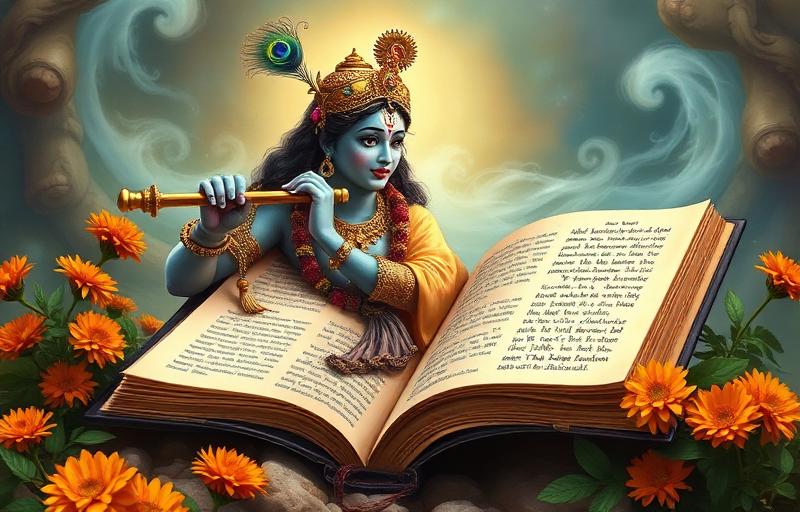
The vrat draws from the story of Savitri, a princess who chose to marry Satyavan despite knowing, through a sage's foresight, that he was destined to die within a year. When the day of his death arrived, tradition holds that Savitri sat beneath a banyan tree holding Satyavan as his life ebbed away, refusing to leave his side.
When Yama, the god of death, came to take Satyavan's soul, Savitri followed him, matching his every step with wisdom, humility and unwavering devotion. Moved by her steadfastness and her thoughtful words, Yama granted her a series of boons, and through her cleverness in her final request, Satyavan's life was restored. The entire episode is remembered as having unfolded beneath the shade of a banyan tree, which is why the tree itself became inseparable from the tale.
The Significance of Vat Savitri Vrat
On the day of Vat Savitri, observed mainly in North India, married women fast and worship the banyan tree, praying for the health, long life and wellbeing of their husbands, echoing Savitri's own devotion. The vrat is held in especially high regard because Savitri is remembered not as a passive figure but as someone whose intelligence and courage directly changed her husband's fate.
The banyan tree is treated as a living witness to that devotion, and worshipping it is understood as connecting to the same steadfastness Savitri displayed. The vrat is observed with deep sincerity, and tradition frames it as a celebration of marital devotion and inner strength rather than dependence.
How the Vrat Is Observed

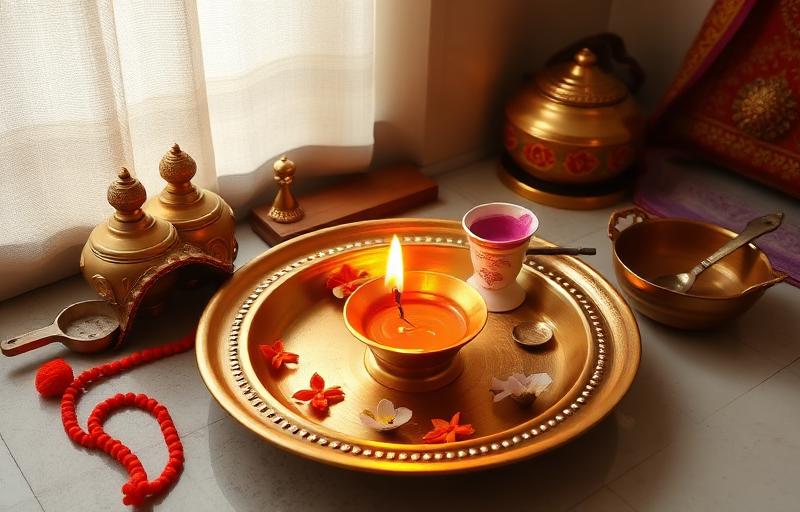
- Women rise early, bathe and dress traditionally, often in new or festive clothing, before beginning the fast
- A visit is made to a banyan tree, where raw thread is wound around the trunk while circling it, usually in multiples of seven or more rounds
- Fruits, flowers, soaked gram and other offerings are placed at the base of the tree
- The story of Savitri and Satyavan is recited or listened to as part of the day's observance
- The fast is broken after the puja is complete, often with family gathered together
Why the Banyan Tree Is Considered Sacred
Beyond the Savitri legend, the banyan's own nature - vast, long-living, ever-expanding through its own roots - makes it a natural symbol of permanence and protection in Hindu thought. Devotees believe the tree carries the blessings of the deities said to reside within it, including forms of the Trimurti in some traditions.
As per tradition, its shade is considered cooling in more than a physical sense, offering a place of steadiness for prayer, reflection and vows made with a serious heart.
A Simple Takeaway for Daily Life
The story beneath the banyan tree reminds us that devotion is not passive waiting but active, intelligent commitment, the kind Savitri showed when she matched wisdom with love to change her husband's fate. It teaches that steady roots, like those of the banyan, are what allow a bond to weather any storm.
Tying a thread around a banyan tree, or simply pausing beneath one, is an act of faith and love, not a transaction. It is a quiet way of honouring the strength that devotion, patience and presence can bring to any relationship.
What People Ask Most
Why is the banyan tree worshipped during Vat Savitri?+
Tradition holds that Savitri sat beneath a banyan tree and won back Satyavan's life through her devotion and wisdom, so the tree is worshipped as a witness to that devotion and a symbol of marital strength.
What is the story of Savitri and Satyavan?+
Savitri married Satyavan knowing he was destined to die within a year, and when Yama came to take his soul, she followed with such wisdom and devotion that Yama granted boons that ultimately restored Satyavan's life.
How do women observe the Vat Savitri vrat?+
Women fast, visit a banyan tree, wind thread around its trunk while circling it, offer fruits and flowers, and listen to the story of Savitri and Satyavan before breaking their fast with family.
About the author
Pandit Mahesh Trivedi · Festival Traditions & Panchang
Pandit Mahesh leads the festival-date and Panchang content on Vandnaa. He cross-references multiple regional panchangs (Drik, Vaishnava, Bengali, Marathi) for every festival date published on the site.
Meet the Vandnaa editorial team →