The Neem Tree in Hindu Tradition
The neem tree is one of the most widely revered trees in Hindu households, found in courtyards, temple grounds and roadside shrines across India. In Sanskrit it is called Arishta, meaning that which wards off illness, and Nimba, the name most commonly used even today.
Unlike trees worshipped for a single festival, neem is honoured through everyday habits - its leaves hung at doorways, its twigs used for cleaning teeth, its shade considered cool and purifying. This constant presence in daily life is part of why it holds such a steady place in devotion.
The Neem Tree and Sheetala Mata
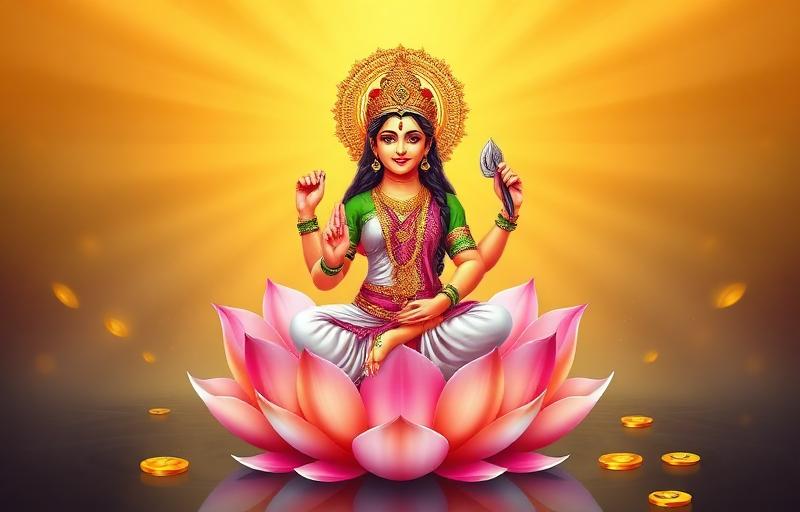
Neem holds a special place in the worship of Sheetala Mata, the goddess associated with healing, especially from fevers and pox-related ailments. In many regions, devotees believe the goddess's cooling, protective presence rests close to the neem tree, and her shrines are often found in its shade.
During Sheetala Ashtami and similar observances, neem leaves are offered, and in some households, food is deliberately prepared a day in advance and eaten cool, echoing the goddess's cooling nature that the neem tree is also believed to embody. When a family member recovers from an illness once linked to Sheetala's grace, neem leaves are traditionally kept nearby as a mark of protection and gratitude.
Traditional Use in Ayurveda and Daily Wellness
In Ayurveda, neem is traditionally regarded as one of the most important plants for maintaining balance in the body, particularly for skin health and general purification. Its leaves, bark and twigs have traditionally been used in home remedies passed down through generations, and neem twigs remain a common natural toothbrush (datun) in many parts of India even today.
This is traditional wellness knowledge rather than medical treatment, and families continue these practices as part of inherited daily discipline rather than as a cure for any specific condition. What stands out is how neem's traditional role in physical wellness and its role in spiritual purification are never really separated - a clean body and a protected home are seen as part of the same devotional order.
Neem in Festivals and Everyday Rituals
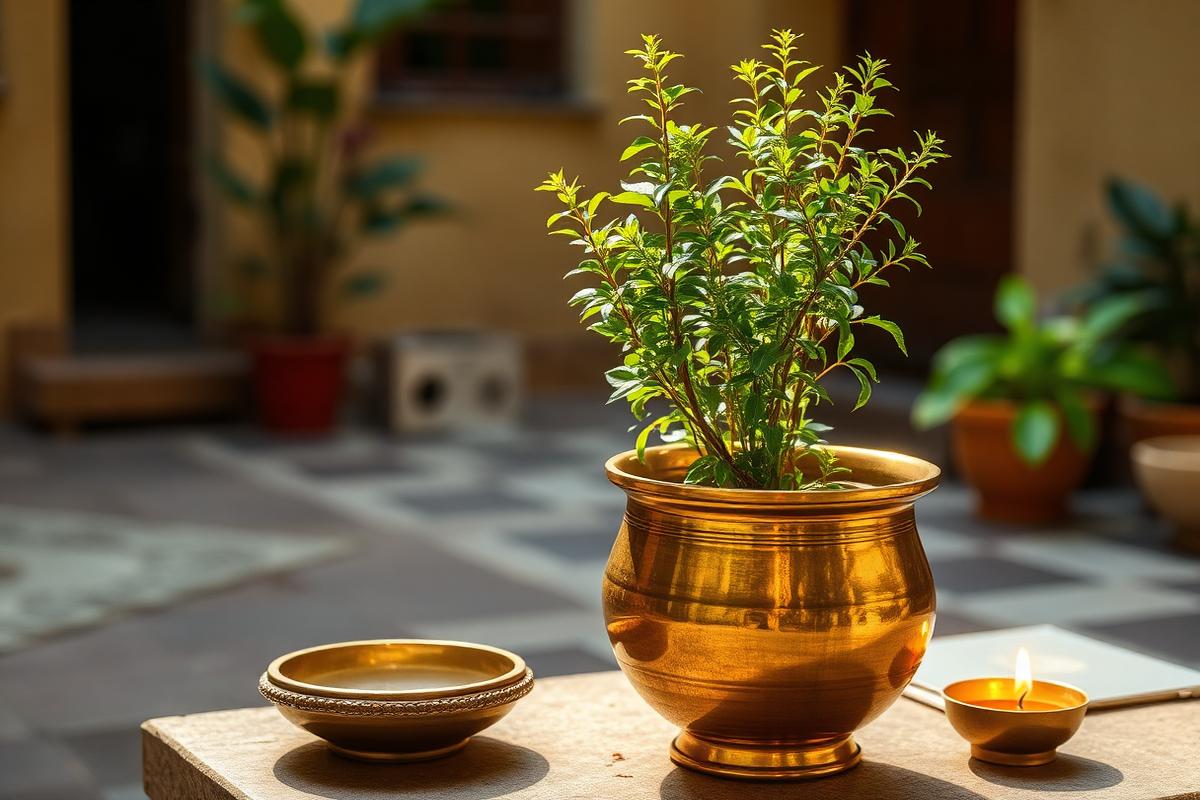
On festivals such as Ugadi and Gudi Padwa, which mark the traditional new year in several regions, a small preparation of neem flowers or leaves combined with jaggery is eaten. The mix of bitter neem and sweet jaggery is a deliberate teaching - life itself will bring both bitterness and sweetness, and both must be accepted with equal grace.
- Neem leaves are hung in torans or bunches at doorways to keep the home's air and energy pure
- A branch of neem is sometimes waved gently around a person recovering from illness as a gesture of blessing
- Neem twigs and leaves are used in purification rituals before certain poojas
- Planting a neem tree near the home is traditionally considered auspicious for the household's wellbeing
Why the Neem Tree Is Considered Sacred
Devotees believe the neem tree's constant, quiet service - shade, clean air, and its everyday role in health - reflects a form of selfless giving that Hindu tradition associates with the sacred. As per tradition, a tree that asks for nothing yet gives shelter, cool air and healing is itself worthy of reverence.
Its bitterness is often read symbolically too: neem teaches that not everything of true value tastes sweet at first, and that discipline and protection sometimes come wrapped in something the mind initially resists.
A Simple Takeaway for Daily Life
The neem tree teaches a quiet lesson: true devotion is not always about grand rituals, but about everyday consistency - keeping a clean home, a clear mind and a body cared for with what tradition has handed down. Even planting or tending a single neem tree can be a small daily act of faith.
Worship of nature, like the neem tree, is an act of faith and love, not a transaction. Pausing to notice its shade or its place in a grandmother's remedy is enough to reconnect with a tradition that has always seen the sacred in the ordinary.
What People Ask Most
Why is the neem tree considered sacred in Hindu tradition?+
The neem tree is valued for its constant, selfless role in daily life - providing shade, clean air and traditional wellness support - and is closely connected to the worship of Sheetala Mata, the goddess of healing and protection.
Is neem used only for medicinal purposes or also in worship?+
Both together. Neem's traditional wellness use and its spiritual significance are not separated in Hindu practice - its leaves are used in home remedies as well as offered in worship, hung at doorways for purification, and used in festival rituals like Ugadi.
Why are neem and jaggery eaten together on festivals like Ugadi?+
The bitter taste of neem combined with sweet jaggery is a symbolic reminder that life brings both hardship and joy, and tradition teaches that both should be accepted with equal grace as the new year begins.
About the author
Anjali Mehta · Editor, M.A. Religious Studies
Anjali is the managing editor for Vandnaa and oversees the festival and vrat coverage. She holds an M.A. in Religious Studies and reviews every published article for accuracy, accessibility, and tradition-fidelity.
Meet the Vandnaa editorial team →