What is Bhakti Yoga
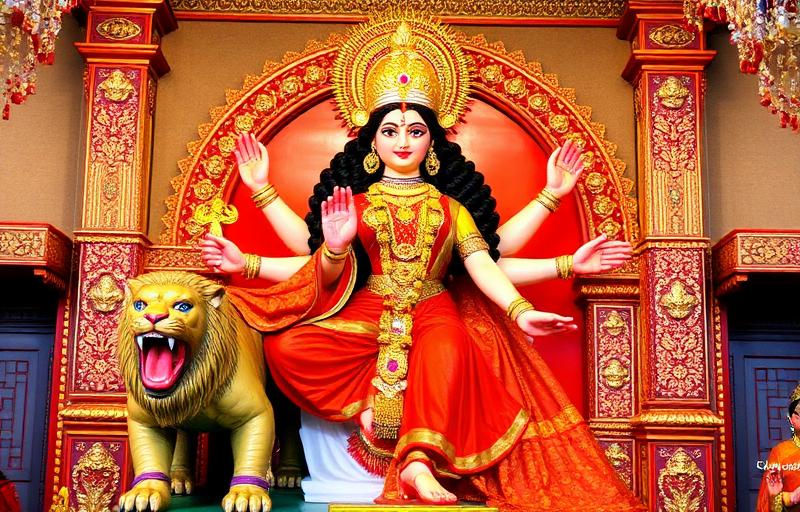
Bhakti Yoga is the path of loving devotion to God. The word bhakti comes from the Sanskrit root bhaj, meaning to share, to serve, to belong to. In this path, the devotee seeks union with the divine not through elaborate ritual or abstract study alone, but through love, surrender and remembrance.
Of the paths described in Hindu tradition, Bhakti Yoga is considered the most accessible. A scholar, a farmer, a child and an elder can all walk it, because its only real requirement is a sincere heart turned toward God. This is why Bhakti has flowed so naturally into everyday Hindu life, through aarti, kirtan, temple visits and simple daily prayer.
Scriptural Origin
Bhakti Yoga finds its clearest teaching in the Bhagavad Gita, where Krishna describes it as one of the surest paths to Him. In the twelfth chapter, Bhakti Yoga, Krishna tells Arjuna that those who fix their minds on Him with unwavering faith and love are especially dear to Him.
A well-known line from this chapter is often rendered as: "Mayy asakta-manah Partha", meaning "O Partha, keep your mind fixed on Me alone." The Narada Bhakti Sutra and the Shandilya Bhakti Sutra, two ancient texts devoted entirely to this path, define bhakti as supreme love for God, greater even than the fruits of ritual or knowledge. The Puranas, especially the Bhagavata Purana, are filled with stories of devotees like Prahlad, Dhruva and the gopis of Vrindavan, whose bhakti became the model for generations that followed.
Meaning and Significance
At its heart, Bhakti Yoga teaches that the relationship between the devotee and the divine can be as intimate as any human bond, a parent, a friend, a beloved, a child. Tradition speaks of nine forms of devotion, the Navadha Bhakti, which include shravana (hearing His stories), kirtana (singing His praise), smarana (remembering Him), archana (worship) and atma-nivedana (complete self-surrender).
This path is significant because it does not demand renunciation of the world or years of study before one can begin. A devotee can start exactly where they are, with whatever love they already carry, and let that love deepen with practice. Bhakti also softens the ego, since surrender to God naturally reduces pride and self-centeredness over time.
How Devotees Practice Bhakti
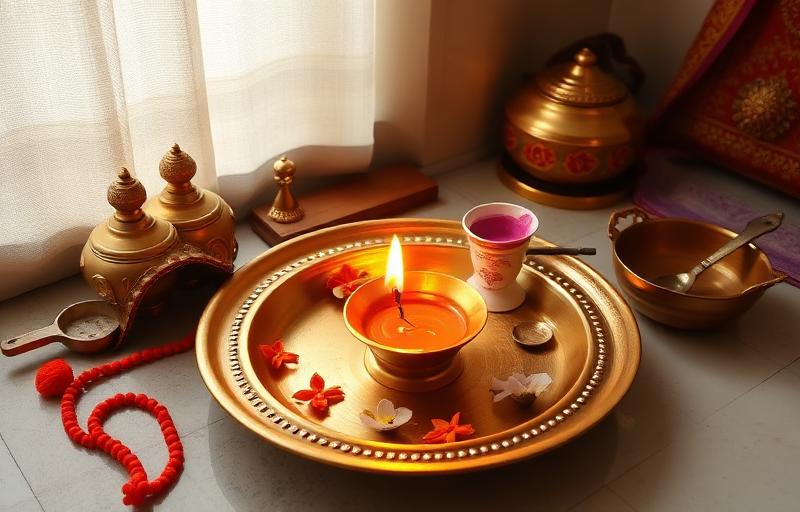
Bhakti is practiced in countless simple, everyday ways. Common forms include:
- Naam Japa - repeating the name of one's chosen deity, silently or aloud
- Kirtan and Bhajan - singing devotional songs, often in groups, which is considered especially powerful in this path
- Darshan - visiting the temple simply to see and be seen by the deity
- Katha Shravan - listening to stories of God from scripture or from elders
- Seva - selfless service offered in the spirit of worship
- Daily Puja - a simple offering of a diya, flowers or water with a devoted heart
No elaborate arrangement is required. Tradition holds that even a single tulsi leaf or a few drops of water, offered with true love, reaches God, as Krishna Himself says in the Gita regarding a leaf, a flower, a fruit or water offered with devotion.
Benefits as per Tradition
Hindu tradition holds that Bhakti Yoga brings peace of mind, since surrender to the divine lightens the burden of constant worry and control. Devotees believe it steadies the heart through both joy and hardship, because faith gives meaning to both.
Bhakti is also described as a path that purifies gradually, dissolving anger, greed and fear as love for God grows stronger. Many teachers within this tradition hold that Bhakti alone, sincerely practiced, can lead all the way to liberation, moksha, because love for the divine naturally carries the devotee beyond the pull of the senses.
A Daily-Life Takeaway
One does not need a temple, a scripture or a teacher to begin Bhakti Yoga, only a moment of sincere remembrance. Lighting a diya each evening, whispering a name with love, or simply pausing to feel gratitude toward the divine is enough to walk this path.
As tradition reminds us, worship is an act of faith and love, not a transaction. Bhakti asks only that the heart keep turning back to God, again and again, in whatever way feels most natural.
Quick Answers
Is Bhakti Yoga only for people who cannot study scripture?+
No. Tradition holds Bhakti Yoga in the highest regard, open to scholars and simple devotees alike. Many great sages practiced deep study alongside deep devotion, and the Gita itself presents Bhakti as one of the most direct and complete paths to God, not a lesser alternative to knowledge.
Can Bhakti Yoga be combined with the other paths of Yoga?+
Yes, and tradition often encourages this. Bhakti naturally blends with Karma Yoga, when service is offered in devotion, and with Jnana Yoga, when study is undertaken out of love for God. Rather than being separate, isolated tracks, the four paths are often walked together according to a devotee's nature and stage of life.
What is the simplest way for a beginner to start Bhakti Yoga?+
Begin with a few minutes of sincere daily practice, lighting a diya, repeating a name you feel drawn to, or listening to a bhajan with attention. Consistency matters more than elaborateness. Over time, tradition says this simple remembrance deepens naturally into steady devotion.
About the author
Pandit Ravindra Sharma · Vedic Rituals & Bhakti, 22+ years
Pandit Ravindra is the Vandnaa editorial team's resident specialist on aarti, chalisa, and daily devotion. He has performed home and temple pujas across Varanasi and Delhi for over two decades and contributes the bhakti-focused articles on this site.
Meet the Vandnaa editorial team →