What is Jnana Yoga
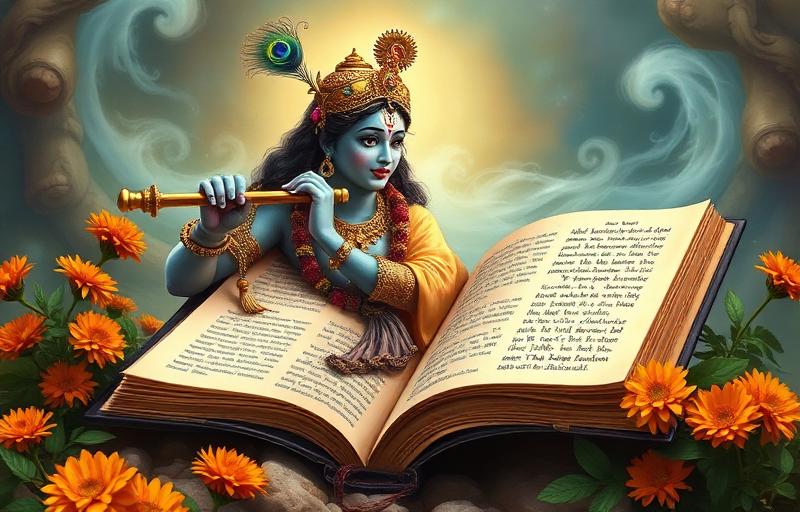
Jnana Yoga is the path of knowledge, specifically the direct knowledge of one's own true nature, the Self or Atman, and its relationship to the ultimate reality, Brahman. This is not knowledge in the sense of collecting information, but a deep, experiential understanding that dissolves the sense of being merely the body and mind.
Among the classical paths, Jnana Yoga is often considered the most demanding, since it asks the seeker to steadily question and see through the layers of identity that most people take for granted. Tradition holds it as a path especially suited to those with a strong intellect and an intense yearning to know the truth of existence.
Scriptural Origin
Jnana Yoga draws its deepest roots from the Upanishads, the philosophical closing portions of the Vedas, which are together called Vedanta, meaning "the end of the Vedas." Great statements found there, such as "Tat Tvam Asi" (That Thou Art) from the Chandogya Upanishad and "Ayam Atma Brahma" (This Self is Brahman) from the Brihadaranyaka Upanishad, form the heart of this path's teaching.
The Bhagavad Gita also devotes attention to Jnana Yoga, particularly in its second, fourth and thirteenth chapters, where Krishna explains the difference between the eternal Self and the changing body. Later, the great teacher Adi Shankaracharya systematized this path within Advaita Vedanta, and texts like the Vivekachudamani became guides for seekers walking the way of knowledge.
Meaning and Significance
The significance of Jnana Yoga lies in its claim that ignorance, not distance from God, is the real obstacle to liberation. According to this path, the Self is already whole and already divine, but this truth remains hidden under layers of misidentification with the body, mind and worldly roles.
Jnana Yoga teaches discrimination, called viveka, the ability to distinguish the eternal from the temporary, and dispassion, called vairagya, a natural loosening of attachment to fleeting things once their impermanent nature is understood. This path is significant because it approaches the same ultimate goal as Bhakti and Karma Yoga, union with the divine, but through the doorway of understanding rather than love or action alone.
How Devotees Approach Jnana Yoga
Traditional Vedanta describes a fourfold preparation and practice for this path:
- Viveka - steadily discriminating between the eternal Self and the changing world
- Vairagya - cultivating dispassion toward temporary pleasures and possessions
- Shad Sampat - a set of six inner virtues, including mental calm, self-control and patience
- Mumukshutva - a genuine, burning desire for liberation
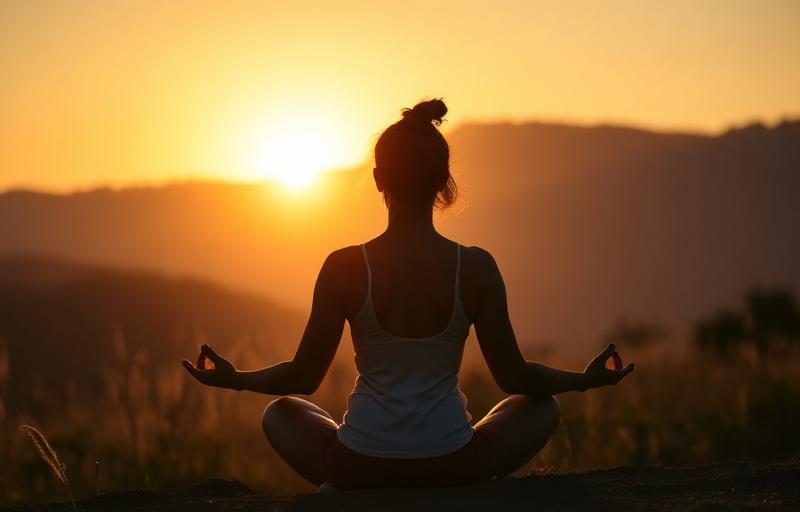
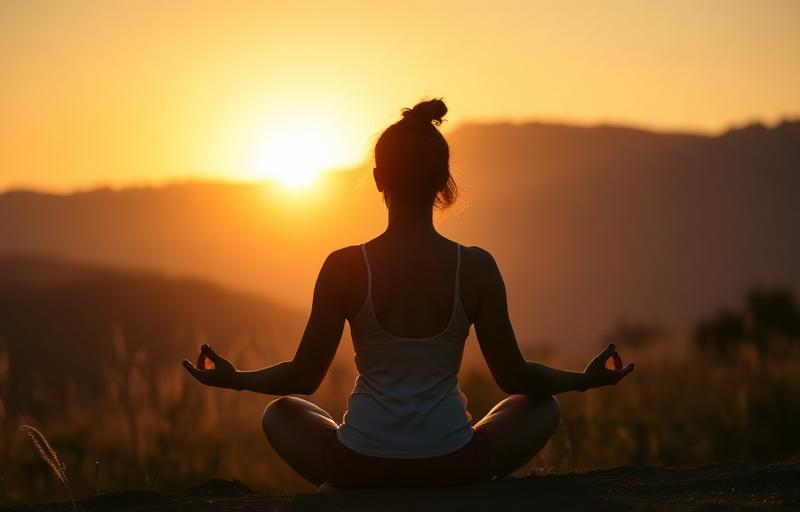
Beyond this preparation, the classical method involves shravana (hearing the teaching from a qualified teacher), manana (reflecting on it deeply until doubts are resolved) and nididhyasana (sustained meditation on the truth until it is directly realized). Self-inquiry, often expressed through the question "Who am I", is central to this practice.
Benefits as per Tradition
Tradition describes Jnana Yoga as leading to a settled inner freedom, since fear, grief and craving are believed to lose their grip once one no longer identifies solely with the body and mind. Devotees on this path speak of a growing clarity that remains steady regardless of outer circumstances.
Many teachers hold that direct knowledge of the Self, when it dawns, resolves doubt completely and brings the seeker to the very goal that Bhakti and Karma Yoga also lead toward, liberation from the cycle of birth and death, moksha. Even for those who do not walk this path intensively, its teachings on impermanence and inner steadiness are widely valued in Hindu thought.
A Daily-Life Takeaway
One does not need to be a scholar to borrow something from Jnana Yoga. Simply pausing during a stressful moment and asking, "Is this truly who I am, or is this a passing feeling", reflects the same spirit of discrimination this path teaches.
As tradition reminds us, worship is an act of faith and love, not a transaction, and knowledge in this tradition is never meant to create pride but to dissolve it. Jnana Yoga, at its best, leaves a devotee more humble, more peaceful and more aware of the sacred beneath the surface of ordinary life.
Reader Questions Answered
Is Jnana Yoga against devotion or faith?+
No. Tradition sees Jnana Yoga and Bhakti Yoga as complementary rather than opposed. Many great Jnana teachers, including Adi Shankaracharya, also composed deeply devotional hymns. Knowledge without humility and faith is considered incomplete, just as devotion often deepens naturally into understanding.
Do I need a guru to walk the path of Jnana Yoga?+
Traditional Vedanta places strong emphasis on learning from a qualified teacher, since self-inquiry on such subtle matters can easily go astray without guidance. Many seekers begin with the guidance of scripture and elders, and later, as understanding deepens, seek a more direct teacher-student relationship.
Is Jnana Yoga only for renunciates, not householders?+
While this path has historically attracted many renunciates due to its intensity, tradition does not close it off to householders. Figures across Hindu history have combined family life with serious self-inquiry. What matters most is sincerity and steady reflection, not the outer form of one's life.
About the author
Anjali Mehta · Editor, M.A. Religious Studies
Anjali is the managing editor for Vandnaa and oversees the festival and vrat coverage. She holds an M.A. in Religious Studies and reviews every published article for accuracy, accessibility, and tradition-fidelity.
Meet the Vandnaa editorial team →