What is Raja Yoga
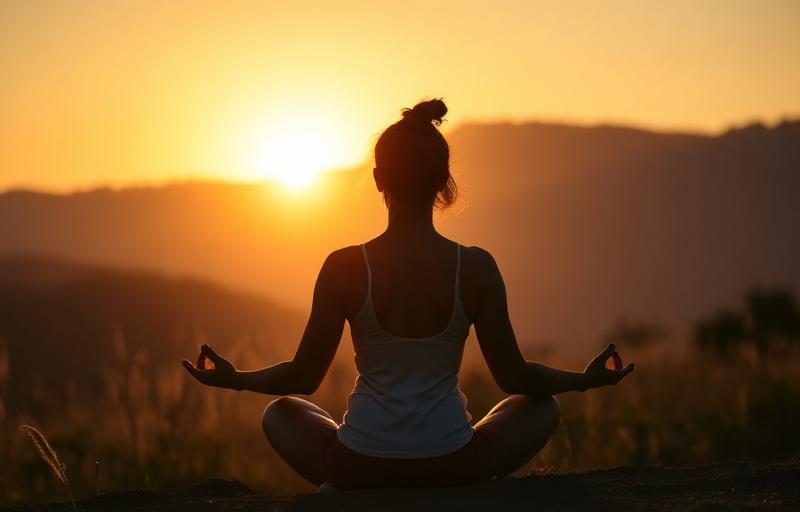
Raja Yoga, often called the "royal path", is the path of meditation and disciplined control of the mind. Where Bhakti works through love and Karma through action, Raja Yoga works directly on the mind itself, quietening its restless movement so that the seeker can experience their own deeper nature.
This path is closely associated with the sage Patanjali, whose systematic teachings gave Raja Yoga its most complete structure. It is called "royal" because it is considered a direct, kingly route inward, requiring steady discipline of both body and mind rather than an external object of focus alone.
Scriptural Origin
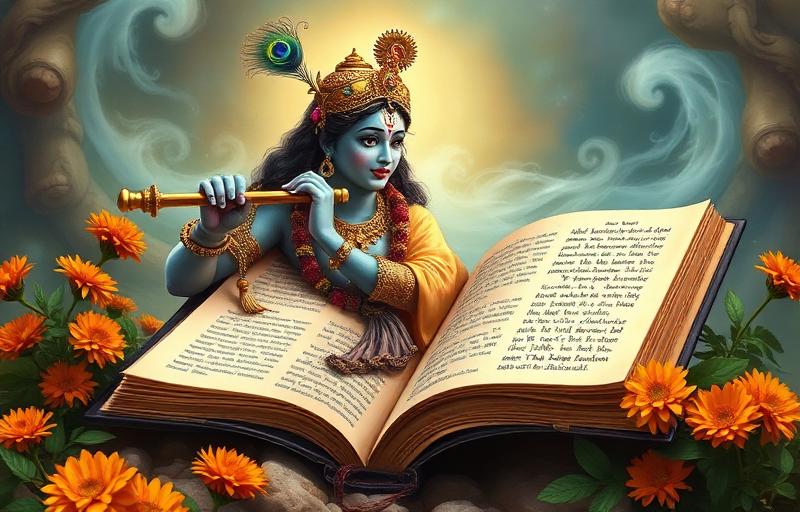
The foundational text of this path is the Yoga Sutras of Patanjali, a compact collection of aphorisms that organize the practice into eight limbs, the Ashtanga Yoga. The Gita also speaks of this path, particularly in its sixth chapter, Dhyana Yoga, where Krishna describes the seated, steady posture and the calm gaze of the meditator whose mind rests in the Self.
Earlier seeds of this approach can be traced to the Upanishads, which describe meditation, dhyana, as a means of turning attention inward. Patanjali's contribution was to arrange these scattered insights into a clear, step by step path that later teachers and yogic lineages across India continued to build upon.
Meaning and Significance
Raja Yoga rests on the understanding that the mind, when left unchecked, is restless and scattered, and that this restlessness is what keeps a person from experiencing their own deeper peace. By systematically training the mind, through ethical living, disciplined posture, breath control and focused attention, the seeker gradually quiets this inner noise.
The significance of this path lies in its precision. Rather than relying only on faith or good action, it offers a graded, practical method that builds one stage upon the previous. Patanjali describes the eventual state as chitta vritti nirodha, the cessation of the fluctuations of the mind, a stillness in which the seeker's true nature is said to shine through clearly.
How Devotees Practice Raja Yoga
Patanjali's eight limbs offer the traditional structure for this path:
- Yama - ethical restraints such as truthfulness and non-violence
- Niyama - personal observances such as contentment and purity
- Asana - a steady, comfortable seated posture for practice
- Pranayama - regulation of the breath to calm the nervous system
- Pratyahara - gently withdrawing the senses from external distraction
- Dharana - focused concentration on a single point
- Dhyana - sustained, effortless meditation
- Samadhi - deep absorption in which the meditator and the object of meditation are no longer felt as separate
Most devotees begin simply, with a few minutes of quiet, steady sitting each day and gentle breath awareness, gradually building the discipline needed for deeper stages.
Benefits as per Tradition
Tradition holds that regular practice of Raja Yoga brings a calm, focused mind, less easily shaken by desire, anger or fear. Devotees on this path describe growing clarity, patience and inner strength as the mind becomes more settled.
Because it works directly on the instrument of experience, the mind, this path is described as one that supports every other spiritual practice. A steadier mind makes devotion more heartfelt, selfless action easier to sustain, and self-inquiry more penetrating. Many teachers regard the deep stillness of Raja Yoga as a doorway to the same ultimate freedom that all Hindu paths point toward.
A Daily-Life Takeaway
A few quiet minutes each day, sitting comfortably, breathing slowly and simply noticing the mind without judgment, is enough to begin drawing on the spirit of Raja Yoga. This small pause, repeated daily, gradually builds the steadiness that this path is known for.
As tradition reminds us, worship is an act of faith and love, not a transaction, and stillness of mind is itself considered a form of offering, a quiet space made ready for the divine to be felt.
What People Ask Most
Is Raja Yoga the same as the physical yoga practiced in fitness classes today?+
Not exactly. Modern postural yoga classes usually focus mainly on asana, one of the eight limbs. Raja Yoga in its traditional sense is a complete path covering ethics, discipline, breath, concentration and meditation, aimed at stilling the mind and realizing the Self, not primarily physical fitness.
Can a beginner start Raja Yoga without a teacher?+
Simple practices like quiet sitting and gentle breath awareness can be started alone with sincerity. However, tradition recommends guidance from an experienced teacher as practice deepens, especially for pranayama and meditation techniques, to ensure the practice remains safe and steady.
How is Raja Yoga connected to Bhakti and Karma Yoga?+
The four paths are not meant to be walked in isolation. A steady mind cultivated through Raja Yoga supports deeper devotion in Bhakti Yoga and clearer, calmer action in Karma Yoga. Many devotees naturally blend a little meditation, some selfless service and heartfelt devotion into a single daily practice.
About the author
Pandit Ravindra Sharma · Vedic Rituals & Bhakti, 22+ years
Pandit Ravindra is the Vandnaa editorial team's resident specialist on aarti, chalisa, and daily devotion. He has performed home and temple pujas across Varanasi and Delhi for over two decades and contributes the bhakti-focused articles on this site.
Meet the Vandnaa editorial team →