What is Patanjali's Yoga Philosophy
Yoga, as one of the six classical schools of Hindu philosophy, refers to the systematic path of stilling the mind first codified by the sage Patanjali. While today the word "yoga" often brings to mind physical postures, the philosophical school of Yoga is a far broader and deeper system concerned with the discipline of the entire being, body, breath, senses and mind.
Patanjali defines the goal of this path in a single, well-known sutra, "Yogash chitta vritti nirodhah", meaning yoga is the stilling of the fluctuations of the mind. Everything else in the system, the ethical foundations, the postures, the breathing practices and the stages of meditation, serves this one central aim.
Scriptural Origin
The foundational text of this philosophy is the Yoga Sutras of Patanjali, a set of concise aphorisms organized into four chapters, covering the nature of meditative absorption, the practice and its obstacles, the subtler powers that may arise along the way, and finally liberation itself.
As a philosophical school, Yoga is closely paired with Sankhya, sharing its framework of Purusha, pure consciousness, and Prakriti, the material world including the mind. Where Sankhya explains the theory, Patanjali's Yoga provides the practical, tested method for the seeker to move from theoretical understanding to direct experience.
Meaning and Significance
The significance of Patanjali's Yoga lies in its recognition that the restless mind is the main obstacle between a person and their own peace. Rather than treating this as vague or mystical, the Yoga Sutras approach it with the precision of a manual, naming the different types of mental fluctuations and offering specific remedies for each.
This philosophy also holds that the seeker, through steady, long practiced effort combined with dispassion, can gradually still these fluctuations until the true Self, previously obscured by mental noise, becomes clearly known. This makes Yoga philosophy deeply practical, less about believing a doctrine and more about undertaking a tested inner discipline.
The Structure of Practice
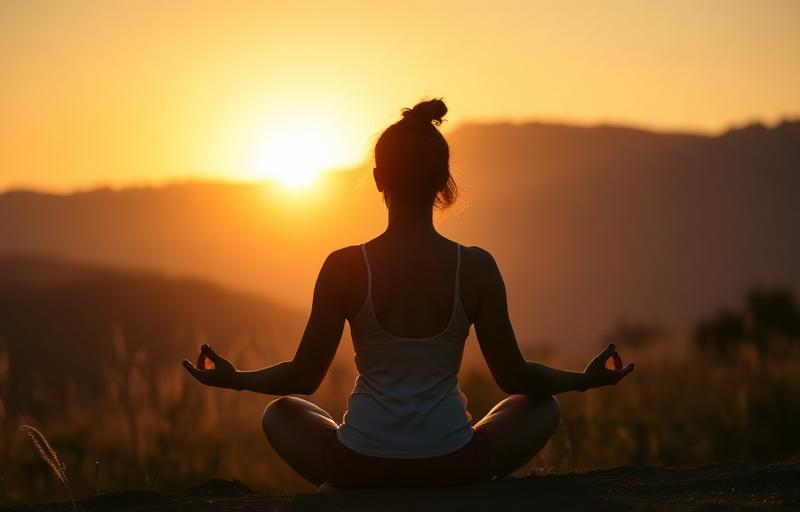
Patanjali organizes the path into eight limbs, Ashtanga Yoga, moving from outer discipline to inner absorption:
- Yama and Niyama - ethical restraints and personal observances that form the moral foundation
- Asana - a steady, comfortable posture, only one small part of the full path
- Pranayama - regulation of breath to calm and steady the nervous system
- Pratyahara - withdrawal of the senses from external objects
- Dharana, Dhyana and Samadhi - progressively deeper stages of concentration, meditation and absorption
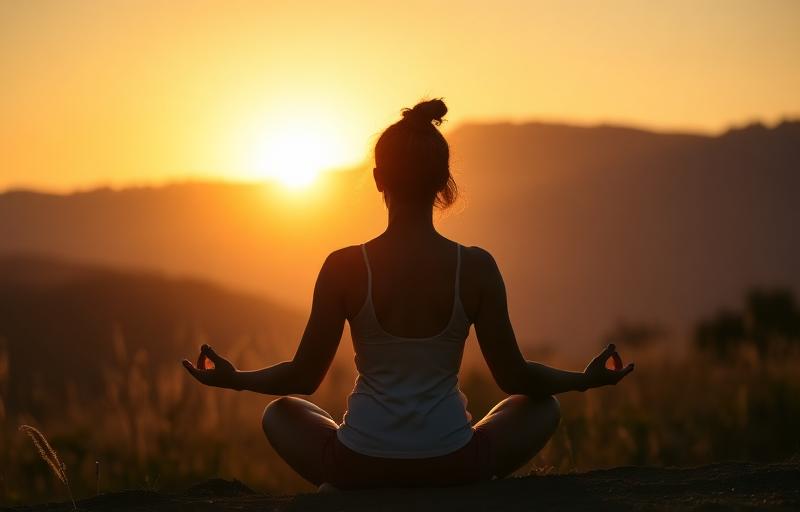
While modern classes often focus heavily on asana, Patanjali devotes comparatively little space to physical posture, treating it mainly as preparation for the seated stillness needed in later stages of meditation.
Why This Philosophy Matters
Tradition holds that Patanjali's Yoga offers something rare, a step by step method rather than only an ideal to admire. Devotees and seekers across centuries have valued it for giving a clear sense of progress, from ethical living, through bodily and breath discipline, to the subtler work of meditation.
Because its framework respects both the practical needs of the body and the deeper aim of self-realization, this philosophy has remained relevant well beyond its original context, continuing to guide meditation practice, mental discipline and inner steadiness for devotees walking many different paths within Hindu tradition.
A Daily-Life Takeaway
One small, practical takeaway from Patanjali's philosophy is that the mind can be trained, not through force, but through patient, repeated practice combined with a gentle letting go of outcome. A few quiet breaths before a difficult conversation, or a few minutes of steady sitting each morning, echo this same principle.
As tradition reminds us, worship is an act of faith and love, not a transaction, and a calm, disciplined mind, this philosophy suggests, becomes a clearer, more devoted vessel for that same faith and love.
Reader Questions Answered
Is the physical practice of asanas the main focus of Patanjali's Yoga philosophy?+
No. Patanjali's Yoga Sutras devote only a small portion of their content to asana, describing it simply as a steady, comfortable posture for meditation. The philosophy's true focus is the eight-limbed path leading toward stilling the mind and realizing the Self, of which physical posture is just one supporting element.
How does Yoga philosophy relate to Raja Yoga, the path of meditation?+
They are closely connected. Raja Yoga, as a devotional path, draws its structure directly from Patanjali's philosophical system, the same eight limbs and the same goal of a still, focused mind. In many ways, Raja Yoga is the practiced application of the Yoga darshan's teachings in a seeker's daily spiritual life.
Can someone practice Patanjali's Yoga without following a specific religion?+
Many people worldwide practice elements of this system, breathing exercises, meditation and ethical mindfulness, without formal religious affiliation. Within Hindu tradition, however, Yoga is understood as part of a larger devotional and philosophical framework, and devotees often practice it alongside worship, scripture study and faith in the divine.
About the author
Anjali Mehta · Editor, M.A. Religious Studies
Anjali is the managing editor for Vandnaa and oversees the festival and vrat coverage. She holds an M.A. in Religious Studies and reviews every published article for accuracy, accessibility, and tradition-fidelity.
Meet the Vandnaa editorial team →