One of the Twelve Jyotirlingas
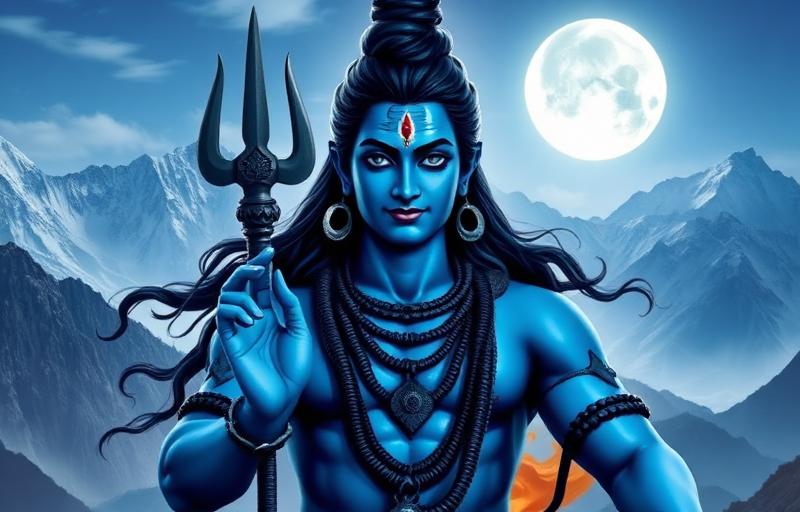
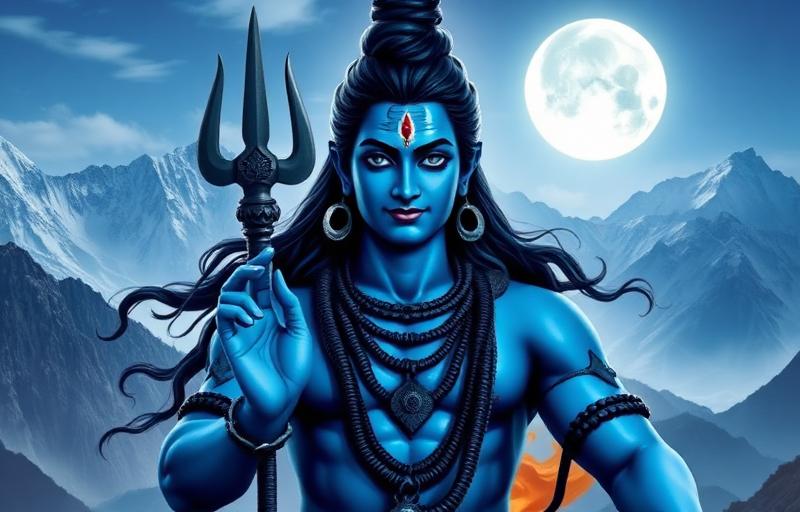
Set within the thickly forested Sahyadri hills, not far from Pune, Bhimashankar is counted among the twelve Jyotirlingas, the sacred lingas of light devotees regard as Bhagwan Shiva's most powerful manifestations across India. Unlike jyotirlingas set in open temple towns, Bhimashankar's setting amid dense wilderness gives the pilgrimage here a distinctly different character, one where the forest itself feels part of the devotion.
The Legend Behind the Shrine
Tradition tells of the demon Tripurasura, or in some retellings Bhima, whose oppression of devotees and sages led Bhagwan Shiva to take on a fierce, protective form here to restore balance. Devotees hold that the intensity of that event is part of why the site carries such strong spiritual weight, a place where dharma was defended, not merely declared.
Where the Bhima River Is Said to Begin
The Bhima river, which flows across much of Maharashtra before eventually joining the Krishna, is said by local tradition to originate near this very temple, lending the shrine an added significance as a source point rather than only a destination.
Pilgrims often pause to reflect on this connection between the flowing water they may encounter elsewhere in the region and its believed origin at Bhimashankar.
A Temple Within a Wildlife Sanctuary

The area around Bhimashankar today falls within a designated wildlife sanctuary, known for its biodiversity amid the Western Ghats. For devotees making the pilgrimage, the walk or drive through this forested terrain becomes part of the spiritual journey itself, a reminder that Bhagwan Shiva, often depicted seated in wild, remote places, is fittingly worshipped here in a setting that has kept much of its natural character.
How to Reach Bhimashankar
The temple lies roughly within a few hours' drive from Pune, with the final stretch winding through hill roads that many pilgrims find as memorable as the darshan itself. Mondays, sacred to Bhagwan Shiva, along with the month of Shravan and Mahashivratri, are especially busy periods, so devotees preferring a quieter darshan often plan visits outside these peak times.
A Simple Mantra and the Takeaway
Devotees at Bhimashankar commonly chant "Om Namah Shivaya" before the linga, a simple offering of surrender fitting for a shrine built around Bhagwan Shiva's protective strength.
What pilgrims often take home from Bhimashankar is a sense that devotion does not always need grandeur, sometimes it is found more clearly amid quiet forest paths leading to an ancient sanctum.
Frequently Asked Questions
What makes Bhimashankar unique among the twelve Jyotirlingas?+
It is set deep within the forested Sahyadri hills of the Western Ghats, within an area now recognised as a wildlife sanctuary, giving the pilgrimage a distinctly natural, wilderness setting.
Which river is associated with Bhimashankar?+
The Bhima river is traditionally said to originate near the temple, later flowing across much of Maharashtra.
What is the best time to visit Bhimashankar?+
Mondays, the month of Shravan, and Mahashivratri are especially significant and busy, while other days generally offer a quieter darshan experience.
About the author
Pandit Ravindra Sharma · Vedic Rituals & Bhakti, 22+ years
Pandit Ravindra is the Vandnaa editorial team's resident specialist on aarti, chalisa, and daily devotion. He has performed home and temple pujas across Varanasi and Delhi for over two decades and contributes the bhakti-focused articles on this site.
Meet the Vandnaa editorial team →