Why a Mantra Before Eating
In Hindu tradition, food is anna, a form of the divine and the very basis of life. Eating is not just nourishment of the body but a daily yajna (offering). Pausing for a moment before the first bite to chant a bhojan mantra transforms the meal into prasad - food first offered to the Lord and then received as His grace. This simple habit brings gratitude, mindfulness and a sense of the sacred to the most ordinary daily act.
The Brahmarpanam Mantra (Gita 4.24)
The most well known verse, from the Bhagavad Gita 4.24, is recited before eating:
Brahmarpanam Brahma havir, Brahmagnau Brahmana hutam. Brahmaiva tena gantavyam, Brahma karma samadhina.
Meaning: The act of offering is Brahman, the offering itself is Brahman, offered by Brahman into the fire of Brahman. One who sees all action as Brahman attains Brahman. In essence, the food, the eater and the act of eating are all the divine, so the meal becomes worship.
The Annapurne Prayer to the Goddess of Food
Many households add a prayer to Goddess Annapurna, the giver of food:
Annapurne Sadapurne, Shankara prana vallabhe. Gyana vairagya siddhyartham, bhiksham dehi cha Parvati.
Meaning: O Annapurna, ever full and complete, beloved of Lord Shankara, grant me the alms of food so that I may attain wisdom and detachment, O Parvati. This verse expresses humility and reminds us that even our daily bread is a gift to be received with gratitude, not taken for granted.
When and How to Recite
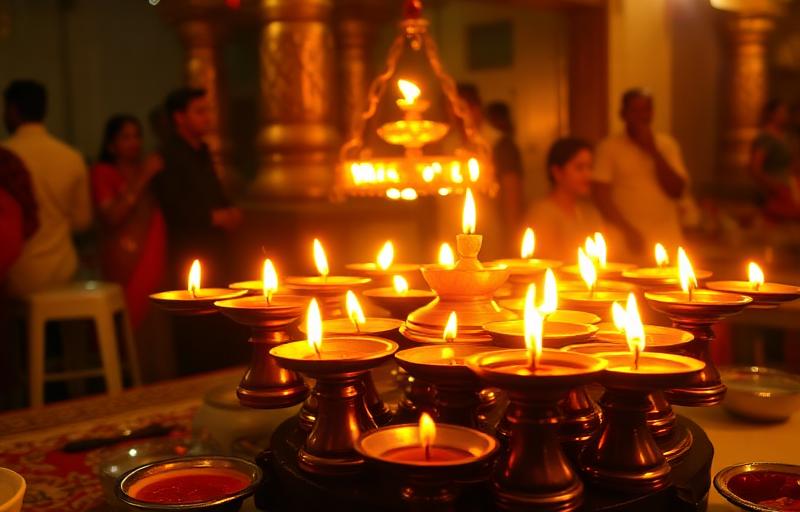
1. Sit down calmly before the meal; wash your hands and, where customary, sprinkle a little water around the plate. 2. Look at the food with gratitude and join your palms or place a hand near the plate. 3. Chant the Brahmarpanam verse, or the Annapurne prayer, or simply 'Om' with a heartfelt thank you. 4. Many sprinkle a few drops of water and set aside a small morsel for the divine, cow, fire or a guest before beginning. 5. Eat in silence or with a peaceful mind, treating the food as prasad. Even a single line said with sincerity is enough; the feeling matters more than the length.
Significance and Benefits
Reciting a bhojan mantra is believed to purify the food and the mind, aid digestion through a calm, grateful state, and prevent the greed and haste that disturb both body and spirit. Spiritually, it turns eating into a small daily sadhana (practice) that keeps one humble and connected to the source of all nourishment. Practically, the pause builds mindfulness, reduces overeating and helps the whole family share a moment of togetherness and thanks.
A Note on the Tradition
The idea that food is sacred runs deep in Indian culture, captured in the saying Annam Brahma - food is the divine. Temples and homes alike offer food to the deity first as naivedya and then share it as prasad. Children are traditionally taught not to waste food, not to step over it, and to thank the cook and the farmer. The bhojan mantra is simply this ancient gratitude turned into a few sacred words before every meal.
Common Questions From Devotees
What is the main bhojan mantra before eating?+
The most popular is 'Brahmarpanam Brahma havir' from Bhagavad Gita 4.24. Many also recite 'Annapurne Sadapurne' to Goddess Annapurna. Even a simple 'Om' with gratitude is enough.
What does the Brahmarpanam mantra mean?+
It means the offering, the offered food, the fire and the giver are all Brahman, the divine. Seeing food and eating as the divine turns the meal itself into worship.
Why is food considered prasad in Hinduism?+
Food is first offered to the divine in the heart or before the deity, then received back as His grace. This turns ordinary food into prasad and reminds us to eat with gratitude, not greed.
When should the bhojan mantra be chanted?+
Chant it after sitting down and before the first bite, while looking at the food with folded hands or a hand near the plate. Then eat calmly, treating the meal as prasad.
Is the bhojan mantra necessary for every meal?+
It is a beautiful daily habit rather than a strict rule. Even a single heartfelt line or a silent thank you before any meal carries the same spirit of gratitude and mindfulness.
Can children and beginners recite it?+
Yes. Anyone can recite it. Children often start with a short line or 'Om', which gently teaches respect for food, gratitude and the habit of pausing before eating.
About the author
Acharya Vinaya Kapoor · M.A. Sanskrit, Mantra & Stotra Studies
Acharya Vinaya holds an M.A. in Sanskrit from Banaras Hindu University and writes the mantra and stotra commentary on Vandnaa. Her focus is on accurate pronunciation, traditional context, and helping modern readers connect with classical texts.
Meet the Vandnaa editorial team →Explore on Vandnaa
Related Articles

Panchamrit - Meaning, 5 Ingredients, Significance & Puja Vidhi
8 min read

Bhagavad Gita - All 18 Chapters Summary & Key Teachings
10 min read
Snan Mantra While Bathing - Lyrics & Significance
8 min read
Morning Wake-Up Mantra (Karagre Vasate) & Vidhi
8 min read
Gau Mata Puja - Significance, Benefits & Vidhi to Worship the Cow
9 min read
Temple Entry Prayer & Mantra - Vidhi
9 min read