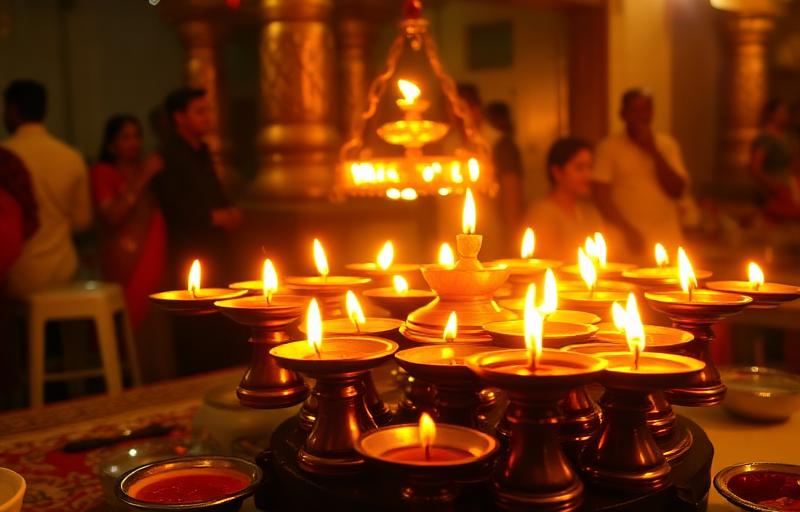
What is Bihu and When is it Celebrated
Bihu is Assam's most loved festival, celebrated not once but three times a year, each marking a different turn in the farming calendar. Rongali Bihu or Bohag Bihu welcomes spring and the Assamese new year, usually arriving in mid-April when the fields are freshly sown. Kati Bihu, a quieter and more prayerful observance, falls in autumn when the paddy is still growing and needs protection. Bhogali Bihu or Magh Bihu comes in mid-winter, celebrating the harvest with feasting and community bonfires.
Each Bihu is deeply tied to the rhythm of the land. Assamese families see these festivals as moments to pause, give thanks to nature and the divine, and welcome a new season with hope. Because Bihu follows the traditional solar calendar, families treat it as a time of renewal much like other regional New Year festivals across India.
The Agrarian Roots and Traditional Story of Bihu
Bihu's origins lie deep in Assam's agrarian life, long before it became the cultural celebration it is today. The word Bihu itself is believed to come from an old term connected to asking for peace and prosperity from the divine after the harvest. Tradition holds that farmers, having depended entirely on the mercy of rain, sun and soil, began the practice of thanking nature and their cattle for a good yield, and this gratitude gradually became a full festival.
A distinctive part of Bohag Bihu is Garu Bihu, the day devoted entirely to cattle. Cows are bathed in nearby rivers or ponds, rubbed with turmeric and black gram paste, and garlanded, in recognition of how central they are to a farming household. Devotees see this as an extension of the same spirit found across Hindu tradition, where the cow is honoured as sacred and life sustaining.
Rituals and Traditions of Bihu
On the first day of Bohag Bihu, after the cattle are honoured, families turn to their own rituals. Homes are cleaned, new clothes called gamosa and mekhela chador are worn, and elders are sought out for blessings. A traditional gamosa, a woven cotton cloth with a red border, is offered as a mark of respect to elders and guests alike, symbolising warmth and welcome.
Community worship also plays a part, with many families visiting local temples to offer prayers of gratitude before the new farming cycle begins. Traditional foods like pitha (rice cakes) and laru (sweets made of coconut or til) are prepared and shared generously with neighbours, reflecting the festival's spirit of community and thanksgiving.
- Cattle worship and river bathing on Garu Bihu
- Exchange of gamosa as a gesture of respect
- Preparing pitha and til laru for family and guests
- Seeking blessings from elders on the first morning
Bihu Dance and Assam's Living Culture
No description of Bihu is complete without its dance. The Bihu dance, performed by young men and women in colourful traditional attire to the beat of the dhol, pepa and gogona, is one of the most recognised expressions of Assamese culture. Community fields and open grounds fill with performers during Bohag Bihu, and the dance itself is understood as a joyful offering of energy and gratitude for the season ahead.
Across the tea gardens and river valleys of Assam, and among Assamese communities settled elsewhere in India, Bihu carries the same devotional core even as its scale and style differ from village to village. Some communities emphasise the temple prayers more, others the cattle rituals, but the underlying gratitude to nature and the divine remains constant.
Prayers and the Spirit of Bihu
Before the new agricultural year begins, many Assamese households offer a simple prayer of gratitude, invoking the divine and the forces of nature that make a good harvest possible:
"Om Sarva Mangala Mangalye, sarvartha sadhike, sharanye trayambake gauri, narayani namostute" - a prayer to the divine mother, seeking auspiciousness and protection for the year ahead.
Bihu ultimately teaches a simple devotional truth: that abundance is a gift to be received with humility and shared generously with family, neighbours and even the cattle that make a farmer's life possible. Whether through dance, food or quiet temple visits, Bihu remains, at its heart, an act of thanksgiving to the divine.
Reader Questions Answered
When is Bihu celebrated?+
Bihu is celebrated three times a year: Rongali or Bohag Bihu in spring around mid-April marking the Assamese new year, Kati Bihu in autumn, and Bhogali or Magh Bihu in mid-winter to celebrate the harvest.
Why are cattle worshipped during Bihu?+
On Garu Bihu, cattle are bathed and honoured because they are central to a farming household's livelihood. This ritual reflects the wider Hindu tradition of regarding the cow as sacred and worthy of gratitude.
What is the significance of the Bihu dance?+
The Bihu dance is a joyful, communal expression of gratitude for the new season and harvest, performed to traditional instruments like the dhol and pepa, and is considered central to Assamese devotional and cultural life.
About the author
Pandit Mahesh Trivedi · Festival Traditions & Panchang
Pandit Mahesh leads the festival-date and Panchang content on Vandnaa. He cross-references multiple regional panchangs (Drik, Vaishnava, Bengali, Marathi) for every festival date published on the site.
Meet the Vandnaa editorial team →