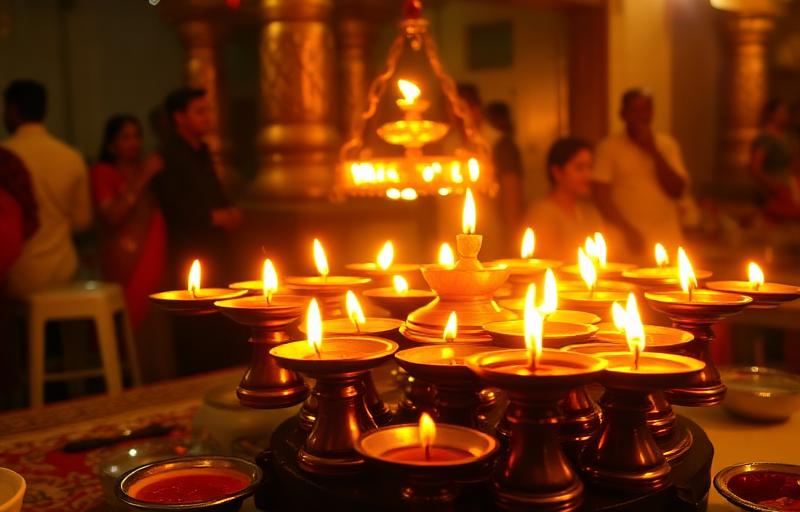
What is Nuakhai and When is it Observed
Nuakhai, meaning 'eating the new rice', is one of the most heartfelt festivals of western Odisha, observed especially in the Kalahandi, Bolangir, Sambalpur and Koraput regions. It falls in the Hindu month of Bhadrapada, typically in late summer to early autumn, on the Panchami tithi, just as the season's new paddy is ready to be harvested.
At its core, Nuakhai is an agricultural thanksgiving. Before a single grain of the new harvest is eaten by any family member, it is first offered to the divine, a practice that reflects the deep Hindu understanding that all sustenance ultimately belongs to and comes from God.
The Devotional Roots of Nuakhai
Nuakhai's roots lie in the agrarian life of western Odisha, where the fortunes of an entire community rested on the paddy harvest. Tradition holds that offering the first rice to the presiding deity before consuming it was a way of acknowledging that the land, the rain and the harvest itself were divine blessings, not simply the result of human labour.
In Sambalpur, the festival is closely associated with Goddess Samaleswari, the region's presiding deity, to whom the new rice is ceremonially offered at her temple. In other parts of western Odisha, the offering is made to the local Isht Devi (family or village goddess) or to Goddess Dharani, the earth herself, honouring her as the source of all nourishment.
Rituals of Nuakhai
The festival begins with the Nuakhai Bhog, when the new rice, along with other seasonal produce, is cooked and offered to the deity at the temple. Only after this offering and the priest's blessing is the rice considered fit for the community to eat. Families then prepare a special meal at home using the new grain, sharing it with relatives and neighbours.
An especially cherished part of the festival is Nuakhai Bhetghat, the tradition of touching the feet of elders and exchanging greetings and embraces with family, friends and even those with whom relations may have been strained. It is a moment for renewing bonds, much as festivals across Hindu tradition often double as occasions for reconciliation and community harmony.
- Nuakhai Bhog offered to the presiding deity first
- Priest's blessing before the new rice is eaten
- Bhetghat - greeting elders and reconciling with family
- Community feasting with seasonal dishes
Nuakhai Across Western Odisha

While Nuakhai is celebrated with slightly different customs from district to district, its devotional heart remains the same everywhere. In some villages, the date is set by the local temple's priest and announced to the community, while in others it follows a broadly agreed date across the region. Folk songs and the traditional Sambalpuri dance often accompany the celebrations in the days that follow.
For the Kosli-speaking people of western Odisha in particular, Nuakhai is considered as significant as Durga Puja is elsewhere in the state, and it is often called the region's own new year of gratitude.
The Spirit of Nuakhai
Before the new rice is offered, a simple prayer of thanks is often spoken at the temple or home altar, invoking the mother goddess as the giver of food and prosperity:
"Jai Maa Samaleswari, anna daata, sabaka rakshak" - Victory to Mother Samaleswari, giver of food, protector of all.
Nuakhai reminds devotees that abundance is meant to be received with gratitude and shared, never taken for granted. In offering the very first taste of the harvest to the divine before touching it themselves, families of western Odisha express a devotion rooted in humility, community and trust in God's providence.
Common Questions From Devotees
What does Nuakhai mean?+
Nuakhai literally means 'eating the new rice'. It is western Odisha's harvest festival, when the season's first rice is offered to the deity before the community eats it.
Which goddess is associated with Nuakhai?+
In Sambalpur, Nuakhai is closely linked to Goddess Samaleswari, while in other parts of western Odisha, the offering is made to the local village or family goddess, or to Goddess Dharani as the earth.
What is Nuakhai Bhetghat?+
Bhetghat is the tradition of greeting elders, family and neighbours after the temple offering, often including reconciliation with those one may have had differences with.
About the author
Pandit Mahesh Trivedi · Festival Traditions & Panchang
Pandit Mahesh leads the festival-date and Panchang content on Vandnaa. He cross-references multiple regional panchangs (Drik, Vaishnava, Bengali, Marathi) for every festival date published on the site.
Meet the Vandnaa editorial team →