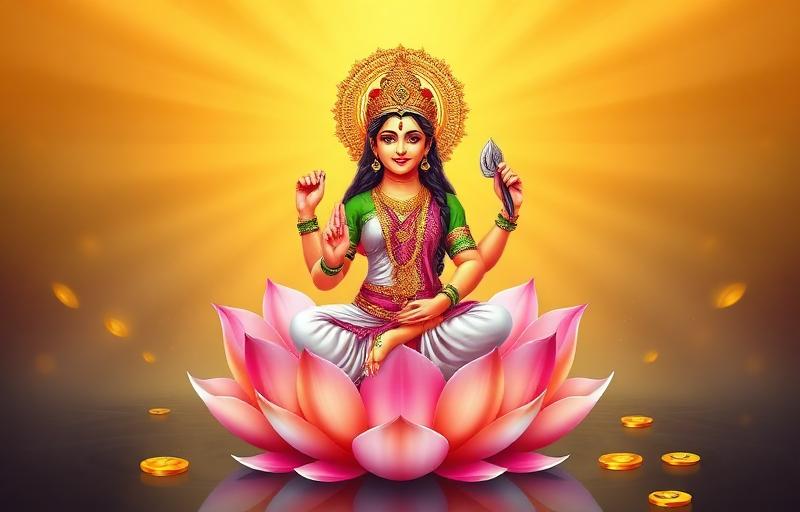
What is Ratha Saptami
Ratha Saptami falls on the Saptami tithi of the Shukla Paksha in the Hindu month of Magha, typically in the winter month of January to February. Dedicated entirely to Surya Dev, the sun god, the day is regarded by many as Surya's own birthday or the day he began his eternal journey across the sky in his chariot drawn by seven horses.
The festival is celebrated with special devotion at major Surya temples such as the Konark Sun Temple in Odisha and the Arasavalli Surya Temple in Andhra Pradesh, though households across India also mark the day with prayer and ritual.
The Legend of Surya's Chariot
According to tradition, Surya rides across the heavens each day in a magnificent chariot with a single wheel, drawn by seven horses representing the seven colours of light, with the charioteer Aruna guiding the reins. Ratha Saptami is understood as the day this eternal, life-giving journey is said to have begun, making it a celebration of light itself overcoming darkness.
Surya is regarded in Hindu tradition as one of the most directly visible forms of the divine, present every single day, and Ratha Saptami is devotees' way of formally honouring that constant, life-sustaining presence.
The Sacred Ratha Saptami Snan
The most distinctive ritual of the day is the Saptha Ratha Snana, a sacred bath taken before sunrise using seven leaves of the arka (calotropis) plant, placed on the head, shoulders, chest, knees and feet, one for each part, while chanting Surya's names. This is believed to cleanse the body of illness and negativity, welcoming the new light of the sun.
After the bath, devotees offer arghya, water offered to the rising sun, and draw a rangoli at the doorstep depicting Surya's seven-horse chariot. Many observe a partial fast through the day and visit a Surya temple where possible, offering red flowers and reciting the Aditya Hridayam, a hymn to Surya from the Ramayana tradition.
- Saptha Ratha Snan with seven arka leaves before sunrise
- Offering arghya to the rising sun
- Rangoli of Surya's seven-horse chariot at the doorstep
- Recitation of the Aditya Hridayam
Ratha Saptami Across India
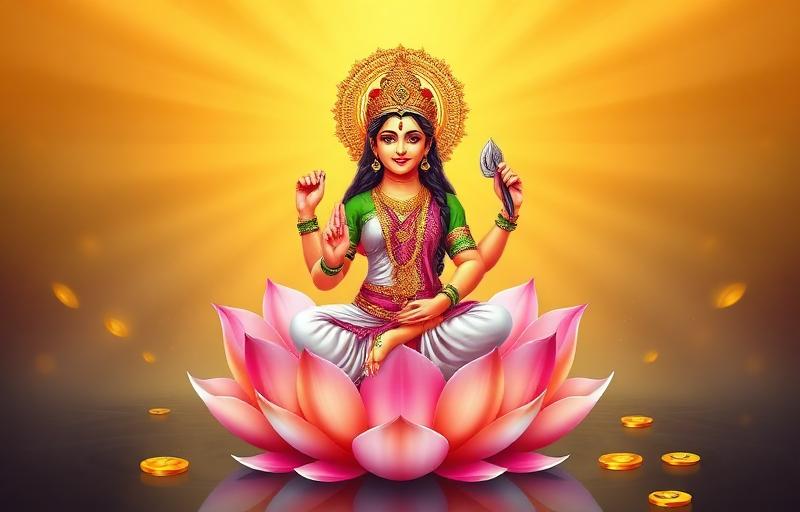
At Konark, the ancient Sun Temple built in the very form of Surya's chariot, with twenty-four intricately carved wheels, becomes the focus of special prayers and a fair on this day, even though the temple's main sanctum is no longer active for daily worship. At Arasavalli in Andhra Pradesh, a striking natural phenomenon draws devotees, as the temple is built so that the sun's rays fall directly on the deity's feet during certain periods of the year around this festival.
In Tamil Nadu, the day is often called Surya Jayanti, and in Karnataka and Andhra Pradesh, families prepare a special seven-layered sweet dish as part of the day's offerings, reflecting the number seven's significance to Surya's chariot.
Mantra and the Meaning of the Day
On Ratha Saptami, devotees chant:
"Om Suryaya Namah" - salutations to Surya, the giver of light, warmth and life.
The festival's deeper teaching lies in its imagery: a single wheel, seven horses, one unending journey, echoing the constancy and discipline with which Surya crosses the sky each day without fail. Devotees observing Ratha Saptami often reflect on this as a prayer for health, clarity and the steady discipline needed to move through life's own journey with the same quiet regularity.
Reader Questions Answered
When is Ratha Saptami celebrated?+
It falls on the Saptami tithi of Shukla Paksha in the Hindu month of Magha, typically in January-February.
What is the significance of the seven arka leaves ritual?+
The Saptha Ratha Snan involves bathing before sunrise with seven arka leaves placed on different parts of the body, believed to cleanse illness and negativity while welcoming Surya's light.
Which temples are especially significant for Ratha Saptami?+
The Konark Sun Temple in Odisha, built in the form of Surya's chariot, and the Arasavalli Surya Temple in Andhra Pradesh are especially significant on this day.
About the author
Pandit Mahesh Trivedi · Festival Traditions & Panchang
Pandit Mahesh leads the festival-date and Panchang content on Vandnaa. He cross-references multiple regional panchangs (Drik, Vaishnava, Bengali, Marathi) for every festival date published on the site.
Meet the Vandnaa editorial team →