Who is Biraja Devi
On the banks of the river Vaitarani in Jajpur, Odisha, stands the ancient temple of Biraja Devi, one of the most revered goddess shrines of the region. The Devi is worshipped here in a distinctive form, without the usual carved hands and feet, a simplicity that devotees find deeply moving.
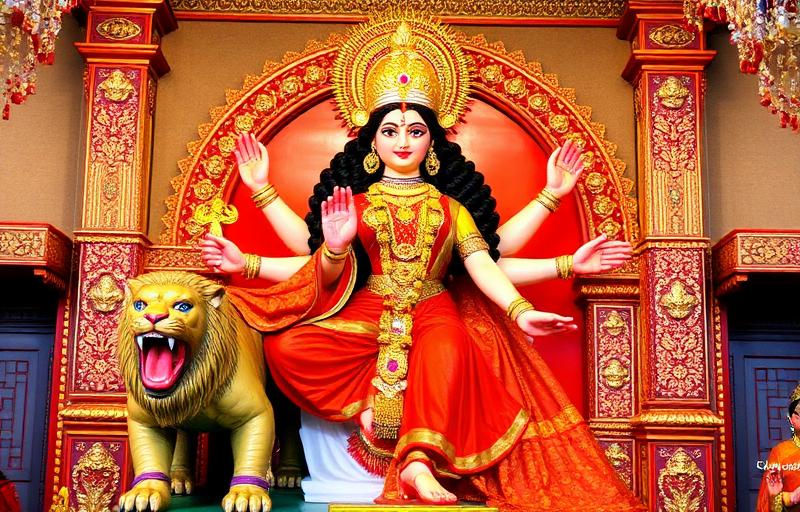
Biraja is regarded by many devotees as a form of Durga, and the temple is considered one of the oldest continuously worshipped Shakti shrines in eastern India, holding a place of pride among the sacred sites of Odisha.
The Legend of Nabhi Gaya
Jajpur is affectionately called 'Nabhi Gaya', a name that places it alongside Gaya in Bihar as a site sacred for the performance of shraddha and pinda daan, the rites offered for one's ancestors. As per tradition, this sanctity is connected to the presence of Biraja Devi herself.
Many devotees also hold Biraja in deep reverence as one of Odisha's most ancient Devi shrines, with local tradition linking the site to the wider Shakti Peetha lore of the land, though devotees approach it, above all, as a place where ancestral duty and Devi worship meet.
Significance and Devotee Beliefs
Devotees travel to Jajpur to perform shraddha rites for departed family members, believing that Biraja Devi's blessing brings peace to the souls of ancestors. Alongside this, she is worshipped as the protective mother of the region, approached for family wellbeing and courage in difficult times.
As per tradition, the goddess here is seen as compassionate toward every sincere devotee, regardless of the nature of their prayer, from ancestral duty to everyday hopes for the family.
Darshan Guide: Rituals and Festivals
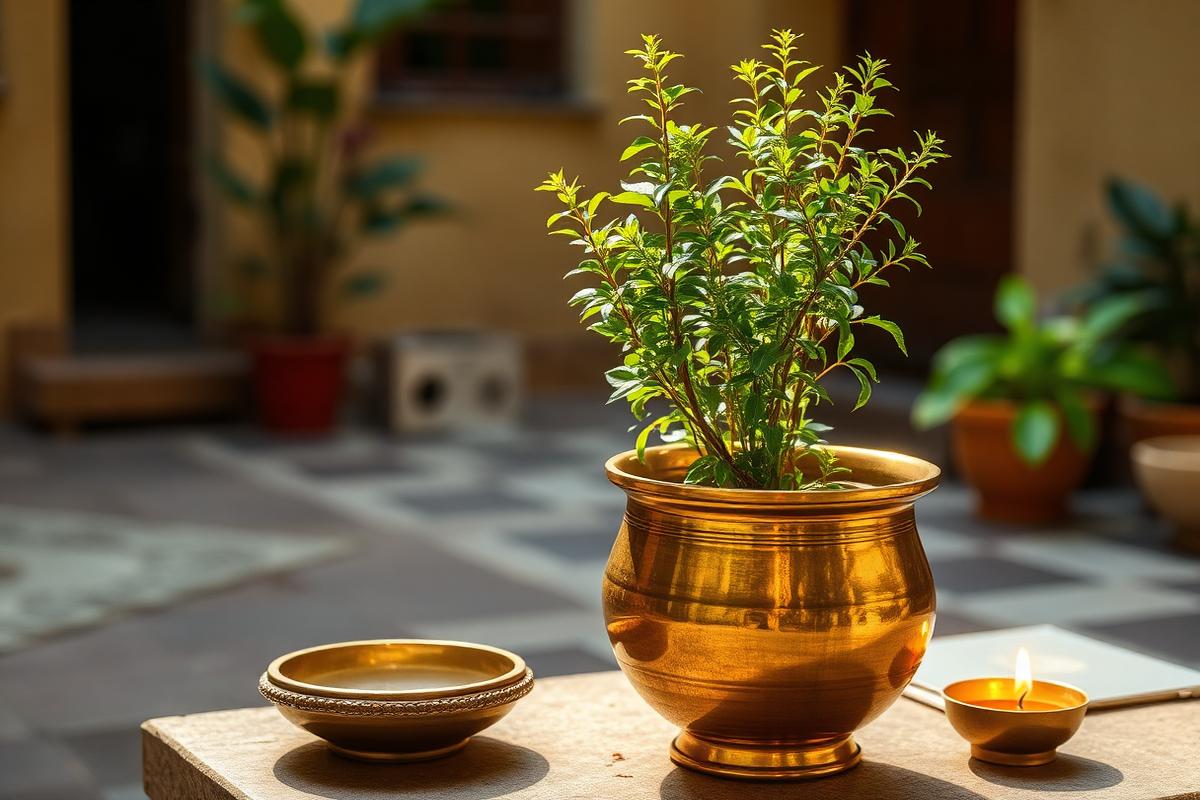
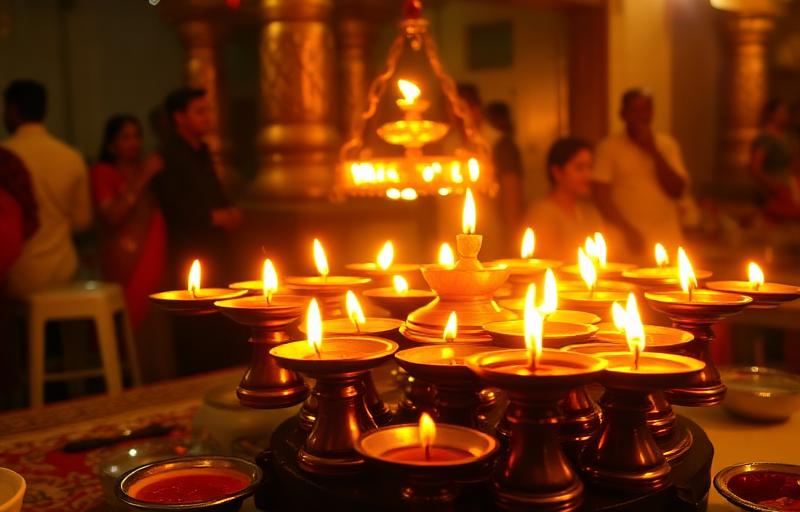
The temple follows a daily rhythm of morning and evening aarti, with priests conducting rituals that have continued for generations. Devotees performing shraddha rites typically engage local priests who guide them through the proper procedure on the riverbank.
- Durga Puja and Navratri are celebrated with great devotion at the temple
- Daily worship draws a steady stream of devotees and pilgrim families performing ancestral rites
- Devotees are advised to confirm current timings and priest arrangements locally before travelling for shraddha rituals
How to Reach Jajpur
Jajpur town in Odisha is well connected by road and rail. Jajpur Keonjhar Road railway station serves the area, with trains connecting to major cities across the state and beyond.
The nearest airport is Bhubaneswar, from where Jajpur is a comfortable drive by road. Local transport is readily available for pilgrims travelling onward to the Biraja temple and the riverbank.
Mantra to Chant and a Devotee's Takeaway
Devotees at Jajpur often chant 'Om Birajayai Namah', meaning 'salutations to Goddess Biraja', both during temple worship and while performing rites for their ancestors.
The union of ancestral remembrance and Devi worship at this sacred site teaches devotees that honouring one's roots and honouring the Divine Mother are, in truth, the same act of devotion. Worship at Biraja temple is an act of faith and love, not a transaction.
Quick Answers
Why is Jajpur called Nabhi Gaya?+
Jajpur is known as Nabhi Gaya because, like Gaya in Bihar, it is considered a sacred site for performing shraddha and pinda daan rites for one's ancestors, a sanctity devotees connect to Biraja Devi's presence.
What form does Biraja Devi take in the temple?+
Biraja Devi is worshipped in a distinctive, simple form without the typical carved hands and feet seen in most temple images, a form devotees regard with deep reverence.
Can any devotee perform shraddha rites at Jajpur?+
Yes, devotees from any background may perform shraddha and pinda daan rituals at Jajpur with the guidance of local priests, following the customary procedure on the riverbank.
About the author
Pandit Ravindra Sharma · Vedic Rituals & Bhakti, 22+ years
Pandit Ravindra is the Vandnaa editorial team's resident specialist on aarti, chalisa, and daily devotion. He has performed home and temple pujas across Varanasi and Delhi for over two decades and contributes the bhakti-focused articles on this site.
Meet the Vandnaa editorial team →