What Are the Shakti Peethas
The Shakti Peethas are the holiest shrines of the Divine Mother, spread across India, Nepal, Bangladesh, Sri Lanka and Pakistan. They mark the places where parts of the body of Sati, the first consort of Lord Shiva, are believed to have fallen to earth. Though many lists exist, the tradition of 51 Shakti Peethas is the most widely honoured. Each peetha is worshipped as a living seat of the Goddess's power (shakti).
The Katha of Sati and the Falling Body
When King Daksha held a great yajna and insulted Lord Shiva, his daughter Sati, unable to bear the insult to her husband, gave up her body in the sacrificial fire. A grief-stricken Shiva carried her body across the cosmos in the tandava of sorrow. To free him from grief and restore balance, Lord Vishnu cut Sati's body with his Sudarshana chakra, and the parts fell at various places on earth. Each spot where a part landed became a Shakti Peeth.
Significance of the Shakti Peethas
At each peetha, the Goddess is worshipped in a distinct form along with a Bhairava (a form of Shiva) as her guardian. The peethas represent the union of Shiva and Shakti and the belief that the Divine Mother's power pervades the whole land. A pilgrimage to the Shakti Peethas is considered a path to her grace, protection and the awakening of inner strength. Devotees believe sincere darshan removes sorrow, fear and obstacles.
Some of the Most Revered Peethas
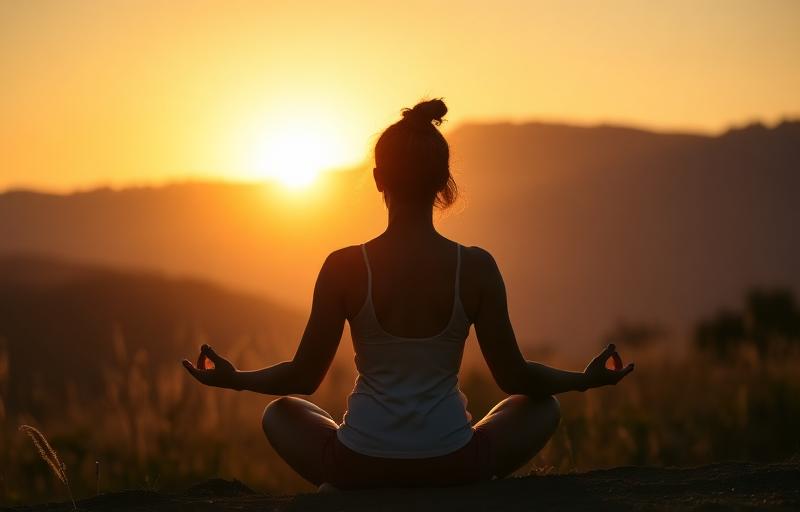
Among the most famous Shakti Peethas are:
- Kamakhya (Assam) - where the yoni is worshipped, a great centre of tantra.
- Kalighat (Kolkata) - where the toes are revered, home of Maa Kali.
- Vaishno Devi (Jammu) - the beloved cave shrine in the Trikuta hills.
- Vindhyavasini (Mirzapur) - the Goddess of the Vindhya mountains.
- Jwala Ji (Himachal) - where eternal flames burn as the Goddess.
- Tara Tarini, Naina Devi, Hinglaj and many more across the region.
Each has its own deity form, katha and tradition.
Mantra to Chant at a Shakti Peeth
At any peetha, devotees chant the universal Devi mantra:
Om Aim Hreem Kleem Chamundaye Vichche
The simple call of the Mother is equally loved:
Jai Mata Di and Om Dum Durgayai Namah
Reciting the Durga Chalisa or Durga Saptashati verses with a bowed head and offering red flowers, chunri and sindoor are traditional ways to seek the Goddess's blessing.
Yatra Tips for Shakti Peeth Pilgrimage
The peethas are spread across many regions, so plan by area - for example the eastern peethas (Kamakhya, Kalighat) together, or the northern ones (Vaishno Devi, Jwala Ji, Naina Devi) in one circuit. Navratri is the most auspicious time, though crowds are very large then. Carry modest clothing, offerings like chunri and prasad, and respect each shrine's local customs. For hill shrines like Vaishno Devi, prepare for a trek and carry essentials.
Things to Know Before You Go

Different peethas have different rules - some, like Kamakhya, follow tantric traditions and special timings. Dress modestly, remove footwear before the sanctum, and follow local priests' guidance. Booking accommodation early during Navratri is wise, as towns fill up quickly. Treat each shrine, however small, with the same reverence, for every peetha is a living seat of the same Divine Mother.
Common Questions From Devotees
What are the 51 Shakti Peethas?+
They are the holiest shrines of the Goddess, marking where parts of Sati's body are believed to have fallen. The tradition of 51 peethas is the most widely honoured among several lists.
How did the Shakti Peethas come into being?+
After Sati gave up her body, a grieving Shiva carried it across the cosmos. Vishnu cut the body with his Sudarshana chakra, and the parts fell at various places, each becoming a Shakti Peeth.
Which are the most famous Shakti Peethas?+
Among the most revered are Kamakhya in Assam, Kalighat in Kolkata, Vaishno Devi in Jammu, Vindhyavasini in Mirzapur, and Jwala Ji in Himachal, each with its own deity form and katha.
What is special about Kamakhya among the peethas?+
At Kamakhya in Assam, the yoni of the Goddess is worshipped, and it is a great centre of tantra. It follows distinct traditions and special timings, drawing devotees from across the land.
What mantra is chanted at a Shakti Peeth?+
Devotees chant 'Om Aim Hreem Kleem Chamundaye Vichche' and 'Om Dum Durgayai Namah', and call out 'Jai Mata Di'. Reciting the Durga Chalisa with red offerings is also traditional.
When is the best time for a Shakti Peeth yatra?+
Navratri is the most auspicious time, though crowds are very large. Plan the peethas by region, book accommodation early, and prepare for treks at hill shrines like Vaishno Devi.
About the author
Pandit Ravindra Sharma · Vedic Rituals & Bhakti, 22+ years
Pandit Ravindra is the Vandnaa editorial team's resident specialist on aarti, chalisa, and daily devotion. He has performed home and temple pujas across Varanasi and Delhi for over two decades and contributes the bhakti-focused articles on this site.
Meet the Vandnaa editorial team →Explore on Vandnaa
Related Articles
Vaishno Devi Aarti & Mantra - Significance, Yatra & Puja Vidhi
9 min read
Maa Vindhyavasini Aarti & Mantra - Significance & Puja
8 min read

Maa Kali: Mantras, Significance, Puja Vidhi & The Fierce Mother
9 min read
Durga Chalisa Lyrics in Hindi & English with Meaning
9 min read
Durga Aarti Lyrics – Ambe Tu Hai Jagdambe Kali (दुर्गा आरती)
8 min read
Kashi Vishwanath - Significance, Darshan & Varanasi Yatra Guide
9 min read