Why Brahma Muhurta Mantras Are 1000x More Powerful
Brahma Muhurta literally means 'the hour of Brahma' - the cosmic creator. It is the 96-minute window before sunrise - traditionally 4:00 AM to 5:30 AM, but technically calculated as 1 hour 36 minutes before actual local sunrise.
Why this time is uniquely sacred for mantra:
1. Sattva guna dominance. Of the three cosmic qualities (sattva-purity, rajas-activity, tamas-inertia), sattva is at its highest just before sunrise. The mind absorbs mantras most cleanly in sattva-dominant state.
2. Brain wave alignment. Modern neuroscience confirms: theta and alpha brain waves (the states of deep meditation and learning) are most accessible 30-90 minutes before normal wake time. Mantras chanted in this state imprint deeply into subconscious.
3. Atmospheric energy. Pranic (life-force) energy in the atmosphere is highest at dawn. Breathing in deeply during mantra recitation absorbs more prana than at any other time.
4. Lack of distraction. No phones, traffic, social media, work emails. The mind is fresh, undistracted. Mantra concentration is naturally easier.
5. Devata receptivity. Hindu tradition: gods and goddesses are most 'available' at this hour. They are said to walk the earth blessing those who are awake in devotion.
6. Cellular renewal time. The body's natural cortisol-rise and melatonin-fall happens at this hour. Mantras during this transition program the day's emotional baseline.
7. Karmic timing. Sanchita karma (accumulated past karma) is believed to be most 'malleable' at dawn - meaning practices done now can transform deeper layers of past patterns.
The 1000x calculation:
Ancient texts (especially the Vishnu Smriti and Padma Purana) state that 1 mala (108 chants) done in Brahma Muhurta equals 1,000 malas done at any other time. This isn't mystical exaggeration - it reflects the focus, sattva, and prana density of this hour combined.
A conservative practitioner who chants Gayatri 108 times every Brahma Muhurta accumulates the spiritual equivalent of someone chanting 100,000+ times at random times of day.
The 7 Most Powerful Brahma Muhurta Mantras
1. Karagre Vasate Lakshmi (the very first mantra of the day)
Sanskrit: करागे्र वसते लक्ष्मीः करमध्ये सरस्वती। करमूले तु गोविन्दः प्रभाते करदर्शनम्॥
Transliteration: Karagre vasate Lakshmi, kara-madhye Saraswati. Kara-moole tu Govindah, prabhate kara-darshanam.
Meaning: 'At the tip of my fingers resides Lakshmi (wealth); in the middle of my palm resides Saraswati (knowledge); at the base of my hand resides Govinda (Vishnu/protection). Looking at my hands in the morning is auspicious.'
Chant once, immediately upon waking. Look at both your palms before getting out of bed. This activates the entire day's prosperity, learning, and divine protection.
2. Gayatri Mantra (the universal awakening mantra)
Sanskrit: ॐ भूर्भुवः स्वः। तत्सवितुर्वरेण्यं भर्गो देवस्य धीमहि। धियो यो नः प्रचोदयात्॥
Transliteration: Om Bhur Bhuvah Svah. Tat Savitur Varenyam, Bhargo Devasya Dhimahi. Dhiyo Yo Nah Prachodayat.
Meaning: 'Om - the cosmic sound. Earth, sky, heavens. We meditate on the divine radiance of the Sun (Savitr) - may it inspire our intellect.'
Chant 108 times (1 mala) facing east. Best done after a bath, sitting in meditation posture. This is THE most powerful mantra in the Vedas - clears karmic patterns, sharpens intellect, increases prana.
3. Maha Mrityunjaya Mantra (the healing/protection mantra)
Sanskrit: ॐ त्र्यम्बकं यजामहे सुगन्धिं पुष्टिवर्धनम्। उर्वारुकमिव बन्धनान्मृत्योर्मुक्षीय मामृतात्॥
Transliteration: Om Tryambakam Yajamahe, Sugandhim Pushti-vardhanam. Urvarukamiva Bandhanan, Mrityor Mukshiya Mamritat.
Meaning: 'We worship the three-eyed Lord Shiva, the fragrant one who nourishes all. May he liberate me from death like a ripe cucumber breaks free from its vine, but not from immortality.'
Chant 11, 21, or 108 times for healing self or loved ones, protection from accidents/illness, longevity. Especially powerful during illness recovery.
4. Pranava (Om) chanting
Sanskrit: ॐ (om/aum)
Meaning: The primordial sound, the universe's vibration. Contains all other mantras.
Chant Om continuously for 11 minutes, drawing the sound out slowly - 'a-u-m-mmm' - feeling vibration in chest, throat, head. This single practice is considered equal to all mantras combined. Best for clearing mental fog and centering for the day.
5. Lakshmi Beej Mantra
Sanskrit: ॐ श्रीं महालक्ष्म्यै नमः
Transliteration: Om Shreem Mahalakshmyai Namah.
Meaning: 'Salutations to the great Lakshmi.'
Chant 108 times facing a Lakshmi image or to the rising sun. For financial stability, removal of debts, prosperity in business, harmony in marriage. Especially powerful on Fridays.
6. Ganesh Mantra (for removing obstacles)
Sanskrit: ॐ गं गणपतये नमः
Transliteration: Om Gam Ganapataye Namah.
Meaning: 'Salutations to Lord Ganesha, the remover of obstacles.'
Chant 108 times before any new venture, day with critical meetings, exams, surgeries, or important decisions. Removes Vighna (obstacles) and ensures smooth progress in the day's tasks.
7. Saraswati Mantra (for clarity, study, creativity)
Sanskrit: ॐ ऐं सरस्वत्यै नमः
Transliteration: Om Aim Saraswatyai Namah.
Meaning: 'Salutations to Goddess Saraswati, the embodiment of knowledge and arts.'
Chant 108 times facing east or northeast. Especially recommended for students, teachers, writers, musicians, software developers, designers - anyone whose work involves creative or intellectual output.
Daily practice sequence (30-minute morning routine):
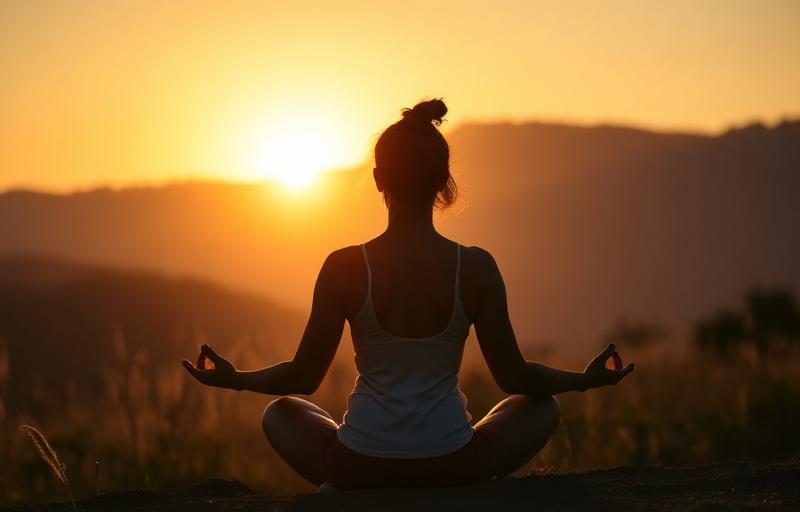
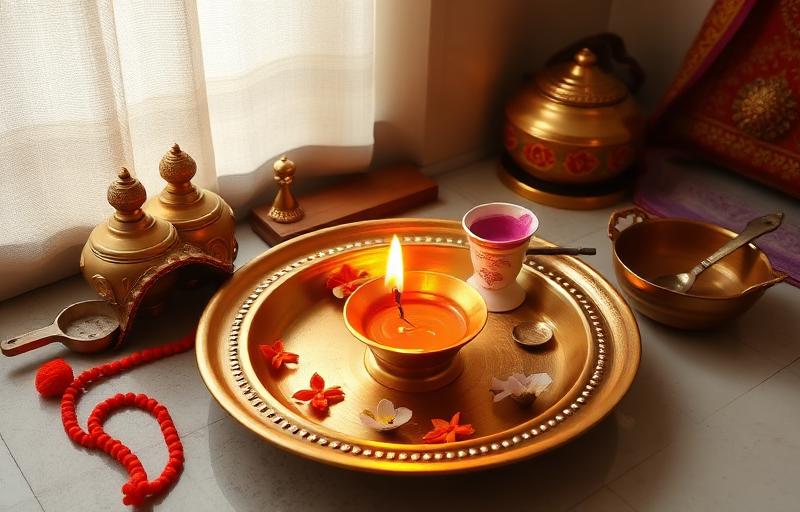
1. Wake at 4:00 AM - chant Karagre Vasate looking at palms. 2. Splash cold water on face, gargle, brush. Skip soap/cosmetics until after puja. 3. Sit facing east in a quiet corner, on a mat (not bare floor). 4. Light a diya (oil lamp) and incense. 5. Take 5 deep breaths, settling the mind. 6. Chant Om for 5 minutes to center. 7. Chant Gayatri 108 times (10-12 minutes). 8. Chant 1 of the deity-specific mantras based on day or current need (5-7 minutes). 9. Sit silently for 3-5 minutes in meditation. 10. Pranam to your altar. Begin the day.
This routine, done daily for 41 consecutive days, is believed to permanently shift one's mental clarity, emotional stability, and life trajectory.
Frequently Asked Questions
What if I can't wake up at 4 AM - is mantra still effective at 5:30 or 6 AM?+
Yes - the power gradually reduces but is still high. Brahma Muhurta technically ends 1.5 hours before sunrise, so in summer (sunrise 5:30 AM) it ends by 4:00 AM; in winter (sunrise 7:00 AM) it ends by 5:30 AM. The post-Brahma-Muhurta dawn period (until sunrise) is still highly sattvic - about 70% of full Brahma Muhurta power. Even chanting at 6:30 AM is far better than at noon or evening. Better to start with 30 minutes earlier than usual wake time and gradually move earlier as habit forms. Consistency matters more than perfect timing.
Can I chant these mantras silently or do they need to be spoken?+
Three valid forms: (1) Vaikhari (audible chanting) - good for beginners, helps focus, vibrates the throat and chest. (2) Madhyama (whisper chanting) - gentle hum, vibrates only the lips. (3) Manasika (mental chanting) - silent, in the mind. Tradition says manasika is 1000x more powerful than vaikhari for advanced practitioners. But for beginners, audible chanting builds focus and helps memorize. Suggested progression: audible for 41 days, then whisper for 41 days, then mental thereafter. Always end with at least 3 audible Oms to seal the practice.
Do I need to face a specific direction during Brahma Muhurta chanting?+
Yes, direction matters: East is best for Sun-related mantras (Gayatri, Surya), creativity (Saraswati), new beginnings (Ganesh). Northeast (Ishaan kon) is best for Shiva/Mrityunjaya, meditation, knowledge. North is for wealth (Kubera/Lakshmi mantras), peace. Avoid south during morning practice (south is for ancestors and Yama - inappropriate energy for morning). If unsure, default to east - the rising sun is the universal anchor. Set up a small fixed meditation space facing east; consistency of place reinforces the practice.
How long until I see results from Brahma Muhurta mantra practice?+
Typical timeline: Week 1: more morning energy, sharper focus through the day. Week 2-3: mood lifts, less anxiety, better sleep at night. Week 4-6: subtle synchronicities increase - 'right people' appear, opportunities open. Month 2-3: noticeable shifts in finances, relationships, or health (whichever mantra you focused on). Month 6+: deeper inner transformation - patience, intuition, dharmic clarity. The 41-day rule: any mantra practice for 41 consecutive days creates a permanent shift. If you miss a day, the count restarts. Consistency is everything. Many practitioners report life-changing shifts within the first 90 days of consistent Brahma Muhurta sadhana.
About the author
Acharya Vinaya Kapoor · M.A. Sanskrit, Mantra & Stotra Studies
Acharya Vinaya holds an M.A. in Sanskrit from Banaras Hindu University and writes the mantra and stotra commentary on Vandnaa. Her focus is on accurate pronunciation, traditional context, and helping modern readers connect with classical texts.
Meet the Vandnaa editorial team →