What Are Charanamrit and Panchamrit?
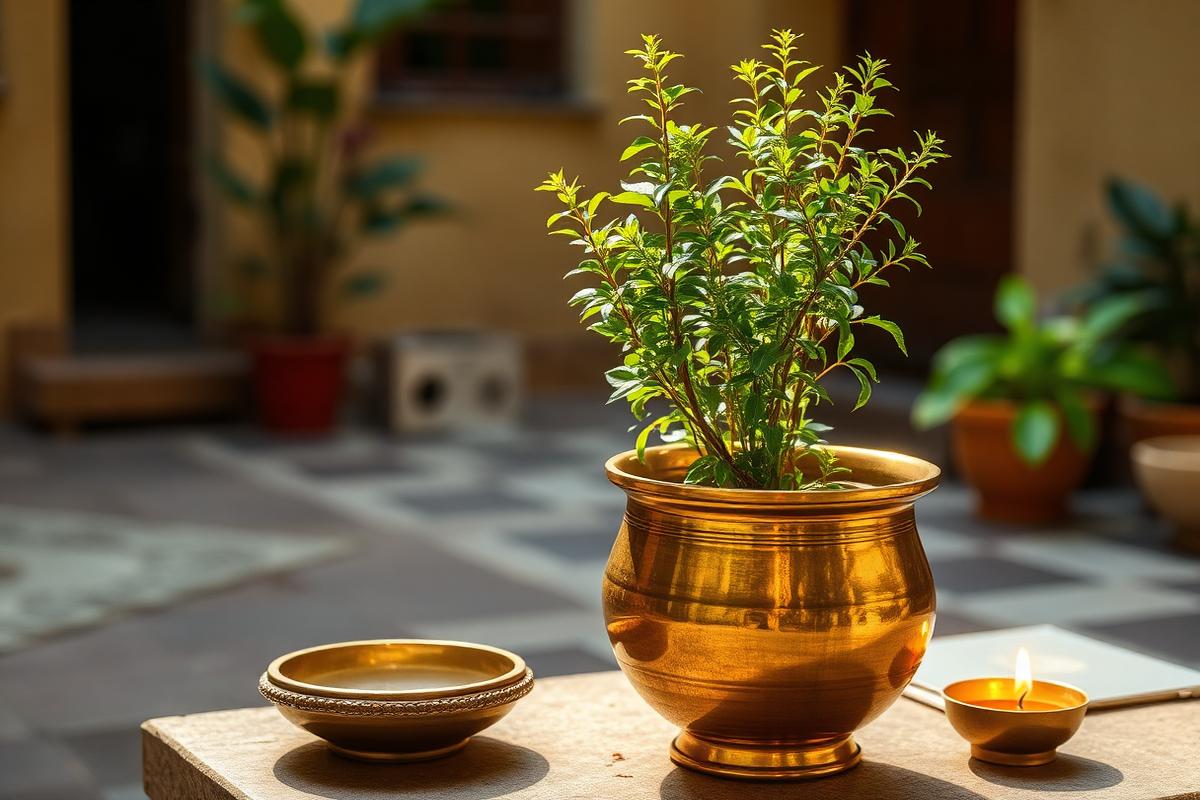
Charanamrit means charan (feet) + amrit (nectar) - the sacred water that has bathed the feet of the deity, received as holy prasad. It is usually water (often with tulsi, a little milk or panchamrit mixed in) collected after the deity's abhishek (ritual bathing).
Panchamrit means pancha (five) + amrit (nectar) - a sacred mixture of five ingredients used to bathe the deity (abhishek) and offered as bhog and prasad. Both are deeply revered, taken in a small spoonful from the right hand with reverence, and believed to purify the body and mind.
The Five Ingredients of Panchamrit
Panchamrit is traditionally made of five pure ingredients, each carrying a meaning:
- Milk (doodh) - purity and a sattvic, peaceful nature.
- Curd (dahi) - prosperity, strength and progeny.
- Ghee (clarified butter) - victory, nourishment and strength.
- Honey (shahad) - sweetness of speech and unity, the removal of bitterness.
- Sugar (shakkar/mishri) - sweetness, happiness and bliss.
Many also add tulsi leaves, and some include dry fruits, makhana, gangajal, a little Ganga water or saffron. Mixed together, these five represent a complete, balanced offering - and the qualities a devotee prays to receive.
Significance & Why They Are Sacred
Charanamrit and panchamrit are far more than tasty offerings - they carry deep devotional meaning:
- Blessed grace: Having touched the deity, they are believed to be charged with divine blessing and purity.
- Humility: Taking the water from the Lord's feet (charanamrit) is the ultimate act of surrender and reverence.
- Inner purification: Tradition holds that taking charanamrit with faith purifies the heart and washes away sins, calming body and mind.
- Balance of qualities: The five ingredients of panchamrit symbolise the balance of virtues a devotee seeks - purity, strength, sweetness, prosperity and bliss.
- Ayurvedic wisdom: The blend of milk, curd, ghee, honey and sugar (with tulsi) is also valued in tradition as wholesome and strengthening.
Above all, they remind the devotee that what touches the divine returns to us as grace.
How to Make & Receive Them Properly
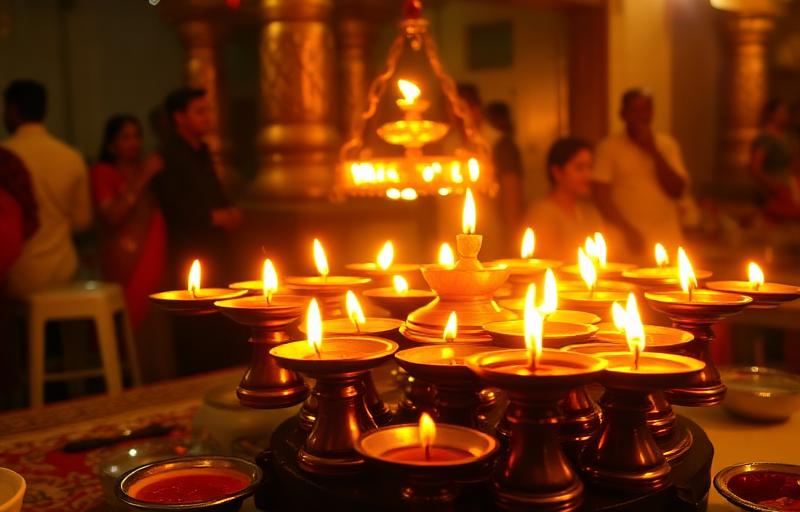
Making panchamrit: 1. Take milk, curd, ghee, honey and sugar in clean vessels. 2. Mix them gently in a clean bowl; add tulsi leaves and, if you like, a little gangajal, dry fruits or saffron. 3. Use it for abhishek of the deity and offer it as bhog; the remainder becomes prasad.
Receiving charanamrit and prasad:
- Receive it in the right hand (the left placed beneath it), with a bowed head and reverence.
- Take a small spoonful or sip; it is a sacred prasad, not a drink to fill the stomach.
- After taking it, gently touch the wet hand to the top of the head, a gesture of carrying the blessing.
- Take it with faith and gratitude; do not waste a drop or treat it carelessly.
Receiving these with quiet devotion is itself part of their blessing.
Quick Answers
What is the difference between charanamrit and panchamrit?+
Charanamrit is the sacred water collected after bathing the deity's feet, taken as holy prasad. Panchamrit is a mixture of five ingredients - milk, curd, ghee, honey and sugar - used for abhishek and offered as bhog. Charanamrit often contains a little panchamrit and tulsi.
What are the five ingredients of panchamrit?+
The five are milk, curd (dahi), ghee, honey and sugar. Many also add tulsi leaves, and some include gangajal, dry fruits or saffron. Each ingredient symbolises a virtue such as purity, strength, sweetness, prosperity and bliss.
How should charanamrit be taken?+
Receive it in the right hand with the head slightly bowed and reverence, take a small spoonful or sip, then gently touch the wet hand to the top of your head. It is a sacred prasad taken with faith, not a drink to quench thirst, and not a drop should be wasted.
Why is tulsi added to panchamrit and charanamrit?+
Tulsi is supremely sacred and dear to Lord Vishnu and Krishna. Adding tulsi leaves sanctifies the offering, is believed to enhance its purity and blessing, and completes the panchamrit and charanamrit as proper prasad.
About the author
Pandit Mahesh Trivedi · Festival Traditions & Panchang
Pandit Mahesh leads the festival-date and Panchang content on Vandnaa. He cross-references multiple regional panchangs (Drik, Vaishnava, Bengali, Marathi) for every festival date published on the site.
Meet the Vandnaa editorial team →