What Is a Tulsi Mala?
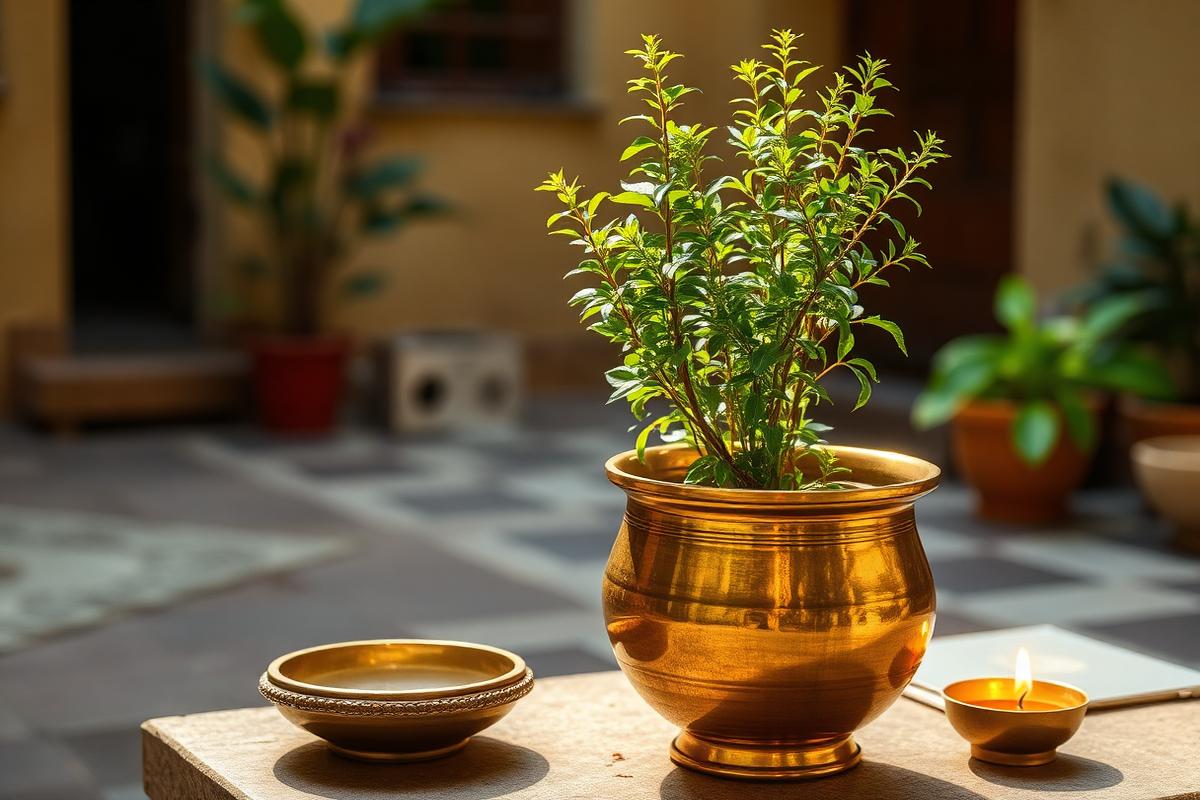
A tulsi mala is a garland of beads made from the wood or stem of the holy tulsi (sacred basil) plant. Tulsi is revered as a form of the goddess Vrinda (Tulsi Devi) and is supremely dear to Lord Vishnu and Lord Krishna, who are worshipped with tulsi leaves.
For this reason, the tulsi mala is the traditional mala of Vaishnavas - devotees of Vishnu, Ram and Krishna. It is worn around the neck and also used as a japa mala for chanting the names of God, especially the Hare Krishna and Vishnu mantras.
Significance & Spiritual Benefits
Wearing a tulsi mala is believed to keep the devotee under the protection of Lord Vishnu and to purify the mind and body:
- Devotion (bhakti): It is a constant reminder of God and strengthens Vishnu and Krishna bhakti.
- Protection: Tradition holds that the tulsi mala wards off negativity and keeps the wearer near the divine.
- Purity: Tulsi is considered deeply sattvic; wearing it is said to encourage clean, satvik living.
- Calm and focus: Using it as a japa mala helps steady the mind during chanting.
- Auspiciousness: It is regarded as one of the most sacred malas, fit to be worn lifelong by a devotee.
The true benefit, however, flows from sincere devotion - the mala supports bhakti, it does not replace it.
Who Can Wear It & When
Anyone with sincere devotion - man, woman, young or old - can wear a tulsi mala. There is no bar of caste or status; the heart's bhakti is what matters.
- It is most natural for Vaishnavas and those who chant Vishnu, Ram or Krishna mantras.
- Many devotees receive their first mala from a guru or temple along with initiation, but one may also wear it with simple faith.
- It can be worn all the time, including while sleeping, as it is considered protective and pure.
- An Ekadashi, Janmashtami, Ram Navami or any Vishnu-related day is an auspicious time to begin wearing one.
Before wearing it the first time, it is good to wash it, offer it briefly before the deity and chant a Vishnu or Krishna mantra.
Rules & Care for Wearing Tulsi Mala

Because tulsi is so sacred, devotees observe a few traditional rules of respect:
- Keep it clean: Do not let the mala fall on the floor or become dirty; handle it with clean hands.
- Maintain purity: Many remove it or keep added care when using the toilet or in impure situations, out of respect.
- Satvik living: Wearers traditionally avoid alcohol, non-vegetarian food and tamasic habits, as tulsi is pure.
- Personal use: A japa mala is generally not shared; keep your own.
- Do not wear casually as fashion: Treat it as a sacred object of devotion, not jewellery.
- Care: If a bead breaks, the mala can be restrung; an old worn-out tulsi mala is respectfully placed in a tulsi pot, river or under a tree, never in the bin.
These are matters of devotion and respect rather than rigid law - sincerity is what the tradition values most.
Common Questions From Devotees
Can anyone wear a tulsi mala?+
Yes. Any sincere devotee - regardless of age, gender or background - can wear a tulsi mala. It is most natural for those who worship Vishnu, Ram or Krishna, but the heart's devotion is what matters most.
Can a tulsi mala be worn while sleeping or bathing?+
Tulsi mala can be worn all the time, including while sleeping, as it is considered protective. Many devotees take added care or remove it in impure situations like using the toilet, out of respect for its sacredness.
What is the difference between tulsi mala and rudraksha mala?+
Tulsi mala is made from sacred basil wood and is the mala of Vishnu and Krishna devotees (Vaishnavas). Rudraksha mala is made from rudraksha seeds and is dear to Lord Shiva devotees. Both are sacred; the choice follows one's chosen deity and tradition.
How should an old or broken tulsi mala be disposed of?+
A broken mala can be restrung. When a tulsi mala is fully worn out, it is respectfully placed in a tulsi pot, given to flowing water in a river, or set under a tree - never thrown in the dustbin, as tulsi is sacred.
About the author
Pandit Mahesh Trivedi · Festival Traditions & Panchang
Pandit Mahesh leads the festival-date and Panchang content on Vandnaa. He cross-references multiple regional panchangs (Drik, Vaishnava, Bengali, Marathi) for every festival date published on the site.
Meet the Vandnaa editorial team →