What Is Chaturvyuha?
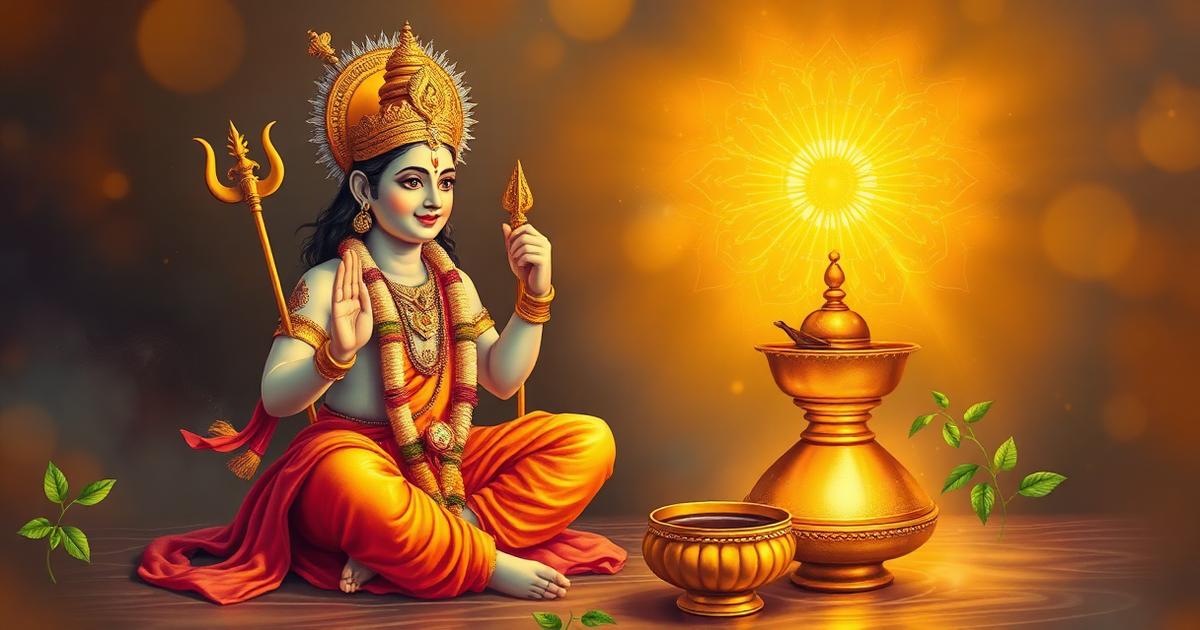
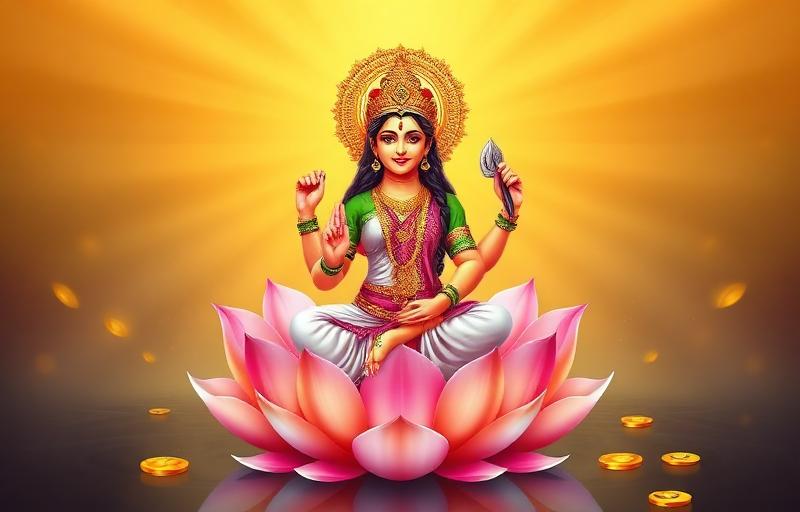
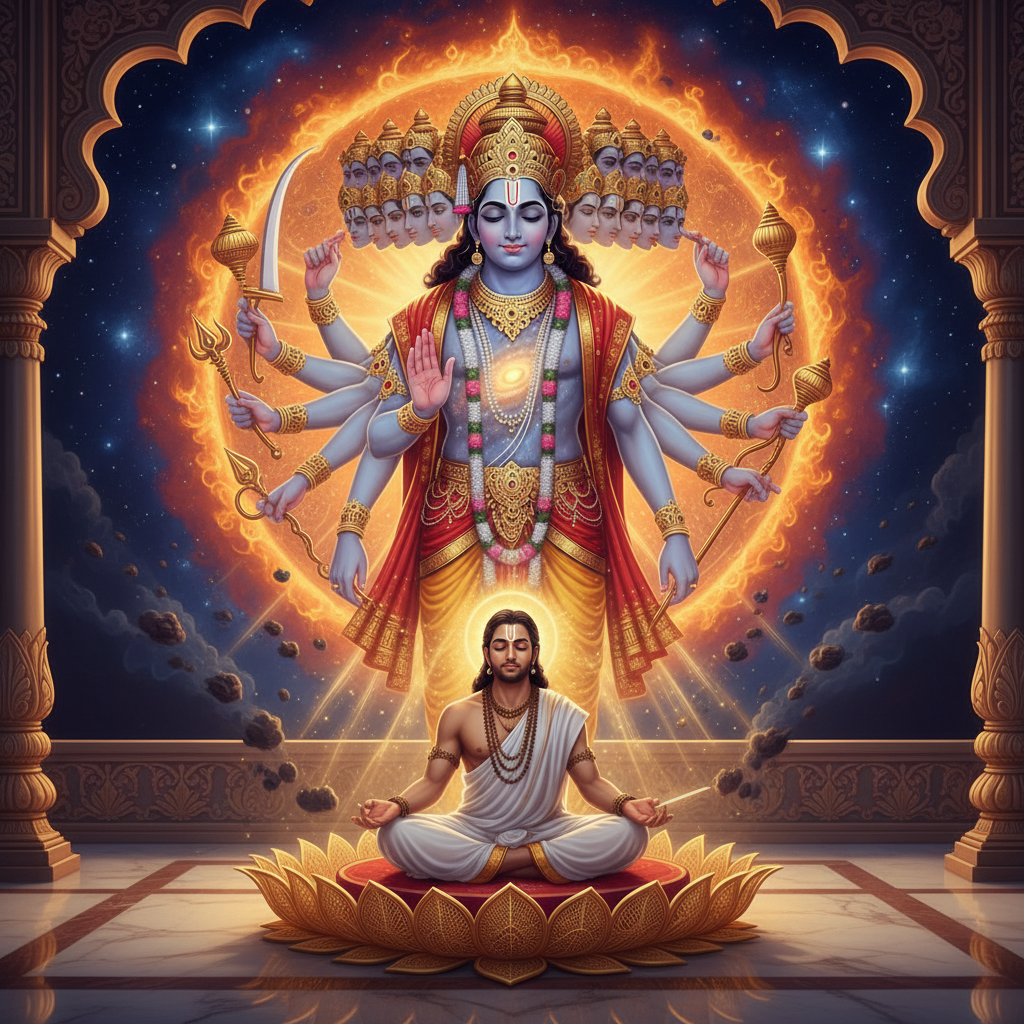
Chaturvyuha means 'the four arrays' or 'four emanations,' a concept found in the Pancharatra tradition of Vaishnavism, in which the Supreme Vishnu is understood to manifest through four divine forms: Vasudeva, Sankarshana, Pradyumna and Aniruddha. Each vyuha carries out a distinct cosmic function while remaining fully one with the Supreme.
This framework was developed by Vaishnava sages to explain how the one, formless Absolute engages with creation in stages, without ever being divided or diminished.
The Origin of This Concept
The four vyuha names are closely tied to the Yadava family of Lord Krishna, described in the Puranas and the Mahabharata. Vasudeva refers to Krishna himself, son of Vasudeva; Sankarshana is identified with his brother Balarama; Pradyumna and Aniruddha are, in tradition, his son and grandson.
Pancharatra philosophers took these familiar, beloved figures and elevated them into a cosmological framework, holding that the Supreme expresses itself first as Vasudeva, the pure consciousness, and then progressively as the other three, each responsible for a stage in the unfolding of mind, ego and creation.
The Significance of the Four Vyuhas
This teaching holds special importance in the Sri Vaishnava and Pancharatra schools, where it helps explain how the one Supreme Being can be worshipped in many forms without contradiction. Vasudeva represents pure, unchanging consciousness; Sankarshana governs the individual soul (jiva); Pradyumna is linked to the mind (manas); and Aniruddha to the sense of self (ahamkara) that engages with the world.
Understood this way, Chaturvyuha is not simply mythology but a layered map of how the divine touches every level of existence, from the subtlest awareness to active engagement with daily life.
Chaturvyuha in Temple Worship
Some ancient Vaishnava temples, particularly those following Pancharatra agama traditions, have installed shrines or images honouring the four vyuhas together, allowing devotees to reflect on each aspect of the Supreme in turn during their darshan.
Devotees do not need to worship each form separately in daily practice; most simply direct devotion to Vishnu or Krishna as a whole, understanding that a sincere prayer to any one name reaches every layer described by Chaturvyuha.
The Takeaway from Chaturvyuha
As per tradition, Chaturvyuha teaches devotees that the divine is never distant or one-dimensional, it reaches consciousness, soul, mind and daily action all at once, meeting a devotee exactly where they stand.
The practical takeaway is one of reassurance: whatever stage of life or understanding a devotee is at, from quiet inner reflection to the busy engagements of the world, the divine is already present there. Worship is an act of faith and love, not a transaction.
Common Questions From Devotees
What does Chaturvyuha mean?+
Chaturvyuha means 'four emanations,' a Pancharatra Vaishnava concept describing Vishnu's manifestation as Vasudeva, Sankarshana, Pradyumna and Aniruddha, each linked to a distinct cosmic and inner function.
How are the four vyuhas connected to Krishna's family?+
Vasudeva is identified with Krishna, Sankarshana with his brother Balarama, and Pradyumna and Aniruddha with his son and grandson in tradition, forming the basis of this cosmological framework.
Do devotees need to worship all four vyuhas separately?+
No, most devotees simply worship Vishnu or Krishna as a whole in daily practice, trusting that sincere devotion to any one name reaches every layer described by the Chaturvyuha concept.
About the author
Anjali Mehta · Editor, M.A. Religious Studies
Anjali is the managing editor for Vandnaa and oversees the festival and vrat coverage. She holds an M.A. in Religious Studies and reviews every published article for accuracy, accessibility, and tradition-fidelity.
Meet the Vandnaa editorial team →