The Four Objects in Vishnu's Hands
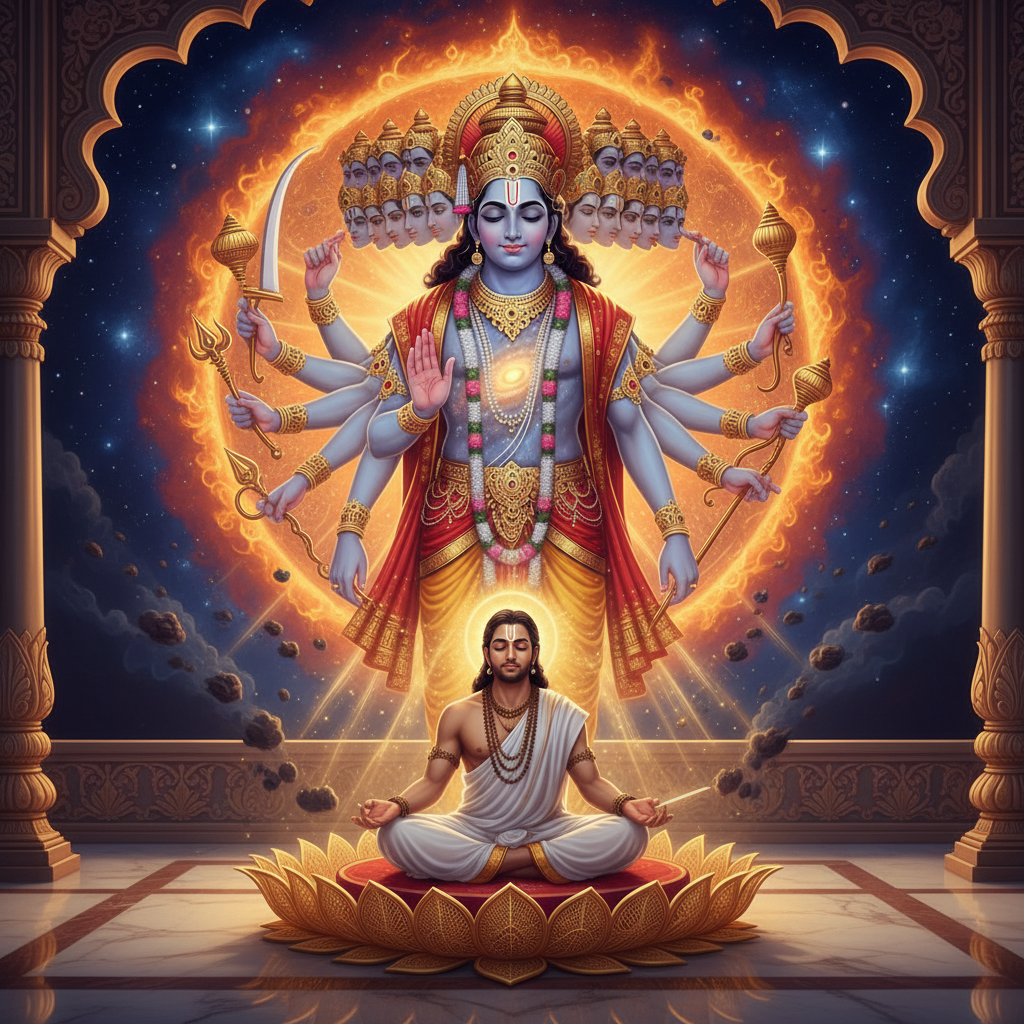
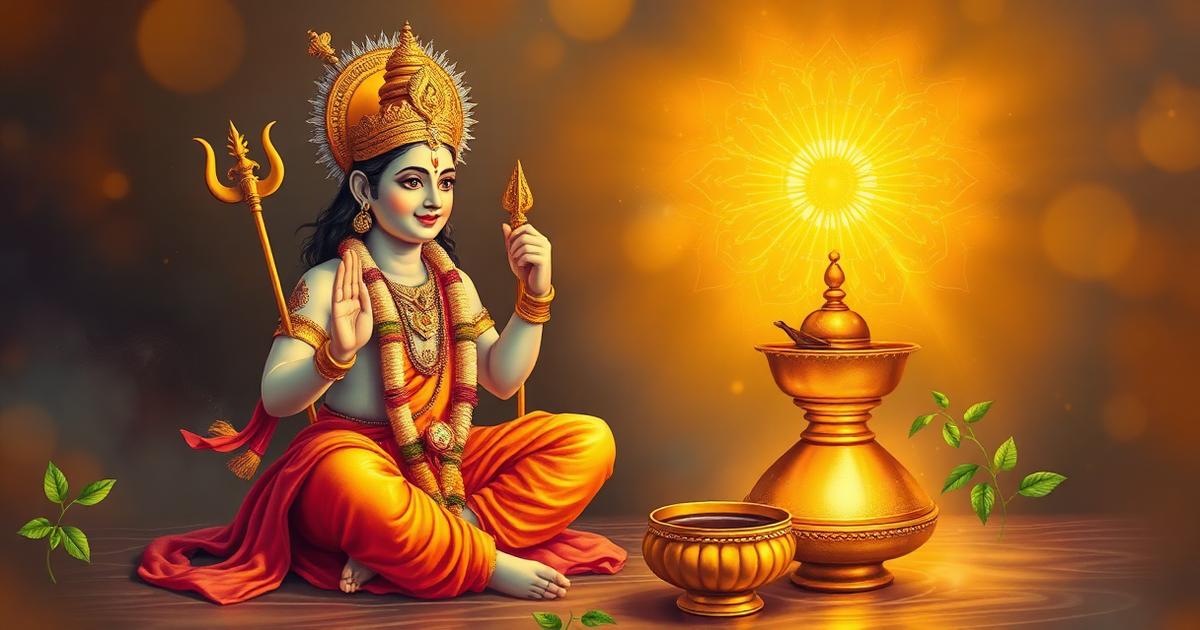
Lord Vishnu is depicted in his four-armed form holding four sacred objects: the shankha (conch shell), the chakra (discus, also called Sudarshan Chakra), the gada (mace, named Kaumodaki), and the padma (lotus). Each is placed in a specific hand and carries its own scriptural meaning.
Together, these four objects are described in the Puranas as representing the complete range of Vishnu's power, from the gentlest blessing to the fiercest protection of dharma, always held in perfect balance.
The Shankha and Chakra
The shankha, or conch, is said to have emerged during the churning of the cosmic ocean and represents the primordial sound of creation, Om. Blown at the start of worship and even in battle within the epics, it signals the presence of dharma and the call to attention before something sacred begins.
The chakra, spinning eternally on Vishnu's finger, represents the mind and the cosmic wheel of time, ever in motion, cutting through ignorance and injustice. Devotees regard it as the fiercest protector of dharma, used by Vishnu only when necessary to restore balance.
The Gada and Padma
The gada, or mace, represents strength, authority and the power to enforce righteousness when gentler means fail. It is also linked in tradition to the strength of intellect and mental discipline, a reminder that true power must always be paired with restraint.
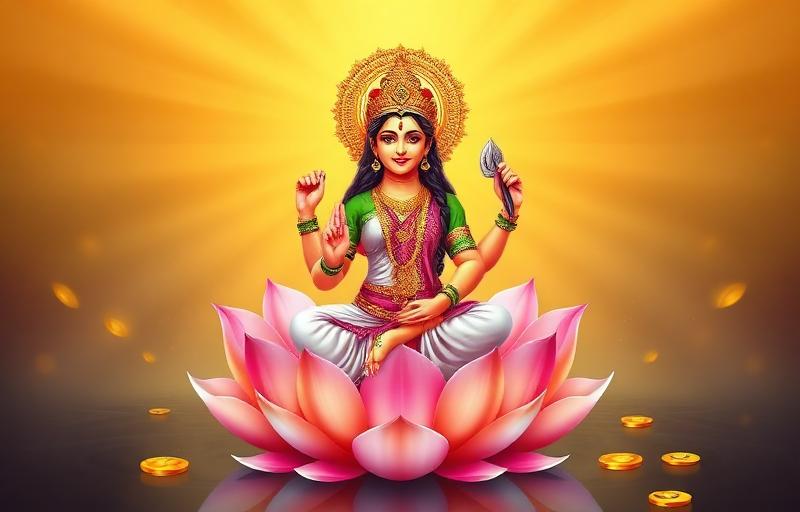
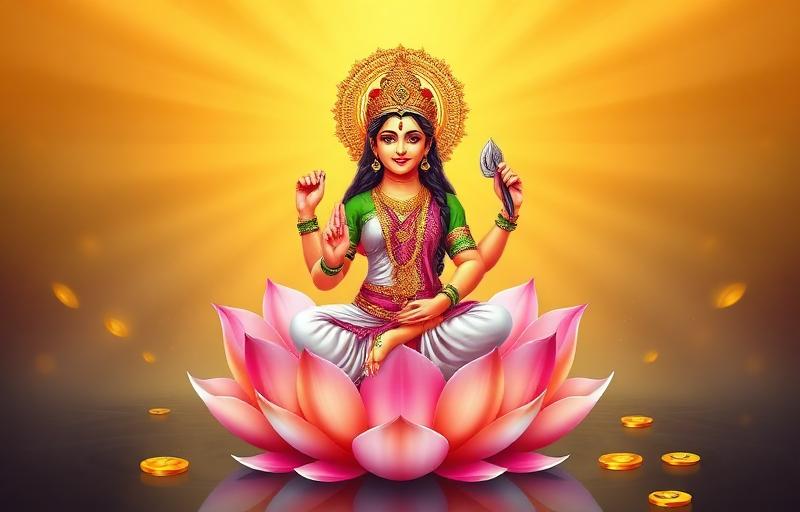
The padma, or lotus, held gently in another hand, represents purity, beauty and spiritual unfoldment, a flower that rises clean from muddy waters. It reflects Vishnu's compassionate, life-sustaining nature, the promise that grace and beauty can flourish even amid a difficult world.
How Devotees Meditate on These Symbols
During puja and dhyana, devotees are often guided to visualize each object in turn, the sound of the shankha awakening awareness, the chakra cutting through inner confusion, the gada steadying resolve, and the padma opening the heart, before offering prayers to Vishnu as a whole.
Many temple idols and home images of Vishnu are crafted precisely so each object is visible, allowing devotees to hold each symbol in mind as a point of focused reflection during their daily worship.
The Takeaway from Vishnu's Four Hands
As per tradition, contemplating these four objects together teaches a devotee balance, that a life well lived needs clarity of mind, disciplined strength, purity of heart and attentive awareness, all held without contradiction.
The simple takeaway devotees carry forward is this: divinity itself is shown holding gentleness and power side by side, a reminder that true strength is never separate from compassion. Worship is an act of faith and love, not a transaction.
Common Questions From Devotees
What do the four objects in Vishnu's hands represent?+
The shankha represents primordial sound and awareness, the chakra represents the mind and the wheel of time, the gada represents strength and authority, and the padma represents purity and spiritual growth.
What is the Sudarshan Chakra?+
The Sudarshan Chakra is the spinning discus held by Vishnu, regarded in tradition as his most powerful weapon, used to protect dharma and devotees when gentler means are not enough.
Why is the lotus significant in Vishnu's iconography?+
The lotus represents purity and spiritual beauty rising untouched above muddy waters, symbolizing Vishnu's compassionate, life-sustaining nature and the possibility of grace flourishing even in a difficult world.
About the author
Anjali Mehta · Editor, M.A. Religious Studies
Anjali is the managing editor for Vandnaa and oversees the festival and vrat coverage. She holds an M.A. in Religious Studies and reviews every published article for accuracy, accessibility, and tradition-fidelity.
Meet the Vandnaa editorial team →