Who Are the Chausath Yogini?
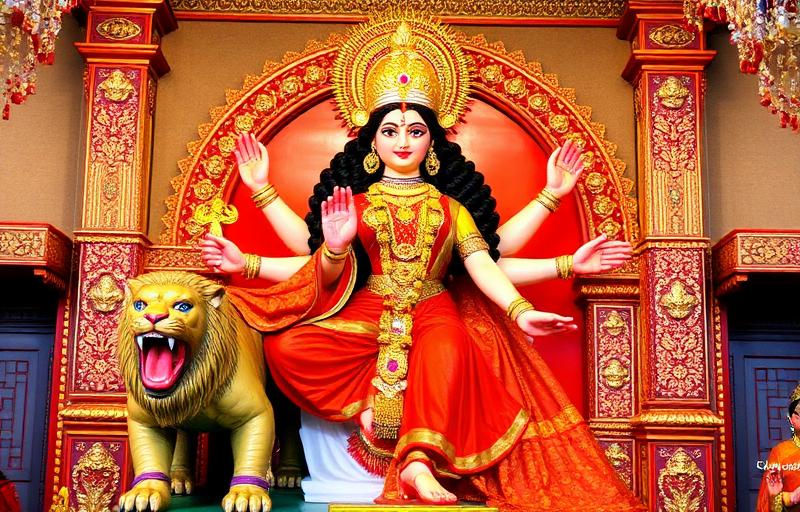
The Chausath Yogini are the sixty-four yoginis - powerful goddesses who are the companions and attendant shaktis of the Divine Mother. Chausath means sixty-four, and yogini refers to a female embodiment of divine energy and yogic power.
In the Shakta tradition, the yoginis are seen as emanations of the great Goddess, expressing her power in many forms. They are often associated with the Sapta Matrika (seven mothers), from whose energies the larger circle of yoginis is said to unfold. The yoginis represent the countless ways the one Shakti manifests, and their worship is part of the deep devotional and yogic streams of Hinduism.
The Unique Circular Yogini Temples
Chausath Yogini temples are among the most unusual in India. Unlike most shrines, they are usually circular (and sometimes rectangular), open to the sky, with no high roof or spire over the central court.
Along the inner wall stand sixty-four niches, one for each yogini, arranged in a ring around a central shrine often dedicated to Shiva, Bhairava or the Devi. The open design lets the sky itself form the canopy, and the circle of goddesses surrounds the worshipper on every side.
This form expresses a deep idea - that the Divine Mother stands at the centre while her many shaktis encircle creation, and that the devotee enters into the very heart of the Goddess's power.
Famous Chausath Yogini Temples
A few rare Chausath Yogini temples survive and are well known:
- Hirapur (Odisha): Near Bhubaneswar, a small circular open-air temple, among the most famous and best preserved.
- Ranipur Jharial (Odisha): A circular hilltop shrine with a central image of dancing Shiva surrounded by the yoginis.
- Bhedaghat (Madhya Pradesh): Near Jabalpur, a large circular temple high above the Narmada, with rows of yogini sculptures.
- Mitaoli / Morena (Madhya Pradesh): A striking circular hilltop temple, often noted for its remarkable architecture.
These rare shrines are treasured both as living places of Devi worship and as extraordinary monuments of sacred art.
Significance & Devotion
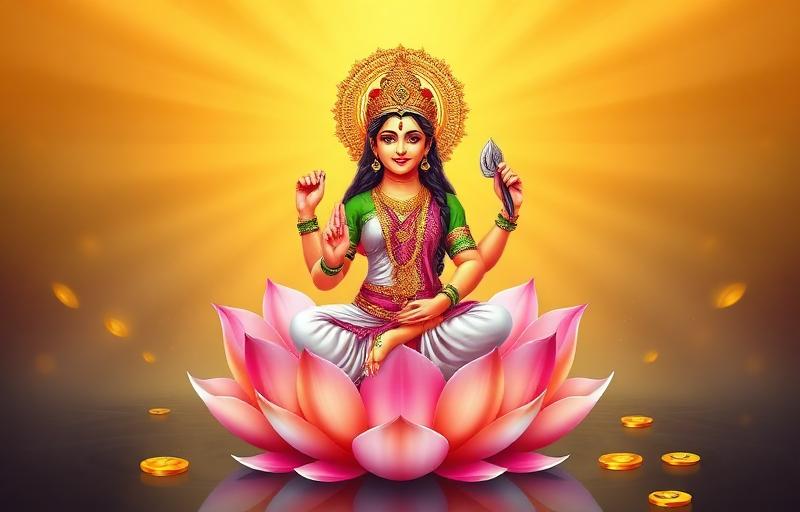
The worship of the Chausath Yogini belongs to the deeper Shakta and yogic traditions, where the Goddess is honoured as the source of all energy. The sixty-four yoginis symbolise the fullness and variety of her power - protective, creative, transforming and liberating.
For devotees today, these temples are places of awe and reverence, where one feels surrounded by the living presence of the Divine Mother. A simple, respectful darshan - bowing to the Devi at the centre and to the circle of yoginis - with flowers, a lamp and a sincere prayer, is the natural way to honour them.
The inner meaning is to recognise the one Shakti behind her many forms, and to invite her protective, awakening power into one's own life with humility and faith.
What People Ask Most
Who are the Chausath Yogini?+
The Chausath Yogini are the sixty-four yoginis, powerful attendant goddesses of the Divine Mother. They are seen as emanations of the great Goddess and are linked to the Sapta Matrika in the Shakta tradition.
Why are Chausath Yogini temples circular and open?+
The circular open-air form places sixty-four yogini niches in a ring around a central shrine, expressing the idea that the Divine Mother stands at the centre while her shaktis encircle creation. The open sky forms the canopy.
Where are the famous Chausath Yogini temples?+
Well-known Chausath Yogini temples include Hirapur and Ranipur Jharial in Odisha, and Bhedaghat near Jabalpur and Mitaoli near Morena in Madhya Pradesh. These rare shrines are treasured for both their worship and their architecture.
What is the significance of worshipping the 64 yoginis?+
The sixty-four yoginis symbolise the fullness and variety of the Goddess's power - protective, creative and liberating. Their worship is part of the deeper Shakta tradition and invites the Divine Mother's awakening power into the devotee's life.
About the author
Pandit Ravindra Sharma · Vedic Rituals & Bhakti, 22+ years
Pandit Ravindra is the Vandnaa editorial team's resident specialist on aarti, chalisa, and daily devotion. He has performed home and temple pujas across Varanasi and Delhi for over two decades and contributes the bhakti-focused articles on this site.
Meet the Vandnaa editorial team →