Who is Chottanikkara Devi
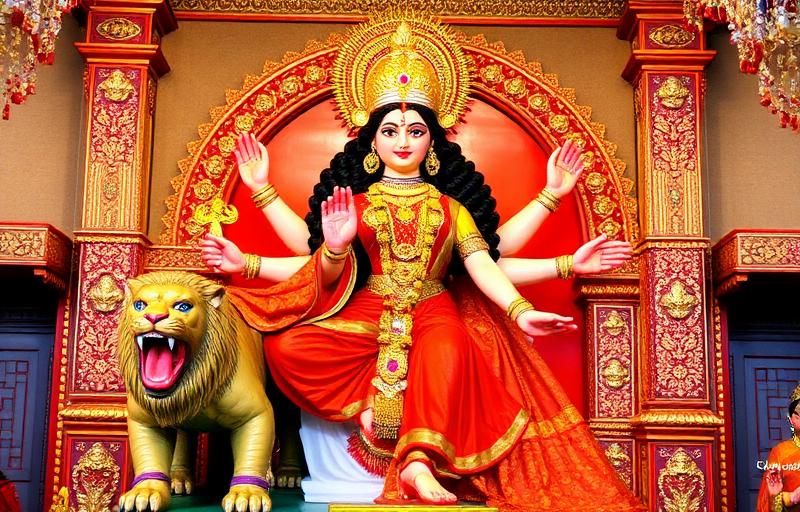
Near Kochi in Kerala stands the Chottanikkara Devi Temple, one of the most distinctive Devi shrines in South India. What sets this temple apart is that the same goddess is worshipped in three different forms across a single day, as Saraswati in the early morning, as Bhagavathy/Lakshmi through the day, and as the fierce Bhadrakali form in the evening.
Devotees see this as a beautiful reminder that the Divine Mother contains all aspects, knowledge, prosperity and protective strength, within the same loving presence, and the temple's daily rhythm of worship reflects that layered understanding of the Goddess.
Legend and History
Tradition holds that the temple's deity was once worshipped by a devout family, and over time the shrine grew in sanctity as more devotees experienced relief from their troubles after praying here. Local katha also connects the temple to sage Vyasa and to the broader devotional landscape of Kerala's ancient Devi worship.
The temple's inner sanctum enshrines the goddess along with a Shiva lingam under the same roof, a form devotees regard as reflecting the union of Shiva and Shakti, and this combined presence is considered one of the reasons for the temple's unique sanctity.
Significance and the Guruthi Tradition
Chottanikkara is especially known for its Guruthi Puja, a ritual devotees turn to seeking relief from deep mental distress and troubled minds. As per tradition, devotees believe the goddess in her fierce evening form has the power to calm afflictions of the mind, and many families have carried faith in this temple across generations for exactly this reason.
Beyond this, devotees also pray here for general wellbeing, education (given the morning Saraswati form), and prosperity, treating the temple as a place where different life needs can be placed before the same compassionate mother.
Darshan Guide and Festivals
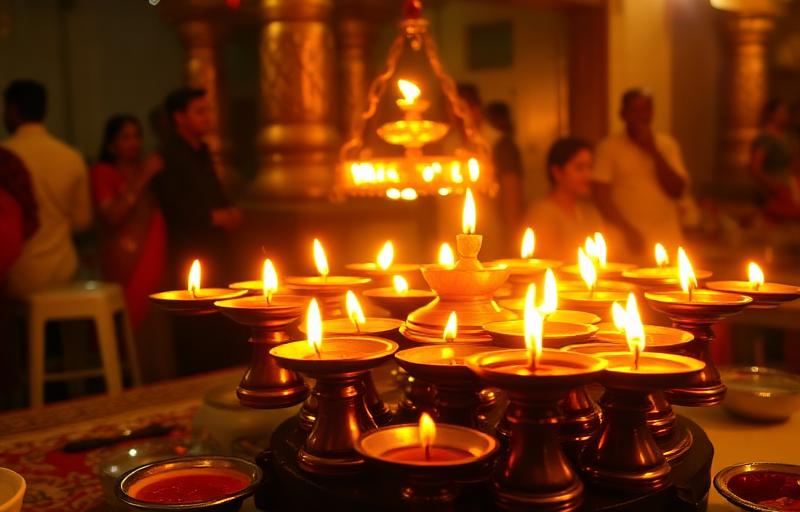
The temple follows a set daily rhythm of rituals from early morning to night, with the Guruthi ritual typically performed in the evening. Devotees are advised to check locally for the exact darshan and Guruthi timings, since these follow the temple's own schedule.
Among the temple's major festivals, the annual Makam Thozhal festival in the Malayalam month of Kumbham draws large numbers of devotees, along with regular special poojas through the year that mark different aspects of the goddess's worship.
How to Reach Chottanikkara
Chottanikkara is located close to Kochi, easily accessible from Cochin International Airport and Ernakulam's railway stations, both within a comfortable driving distance. Local buses and taxis connect the temple with the rest of the city.
Many pilgrims combine a visit to Chottanikkara with darshan at other well known Kerala shrines nearby, making it a natural stop on a wider Kerala temple circuit.
Mantra and Takeaway
Devotees offer simple prayers such as "Chottanikkara Amme, Sharanam" (Mother of Chottanikkara, I seek your refuge), holding in mind whichever form of the goddess, Saraswati, Lakshmi or the fierce evening form, feels closest to their need that day.
The temple's tradition of one goddess in three forms across a day is a gentle teaching that devotion adapts to different moments of life, morning clarity, daytime sustenance and evening protection. Worship here is an act of faith and love, not a transaction.
Reader Questions Answered
Why is Chottanikkara Devi worshipped in three forms?+
Tradition holds that the goddess reveals herself as Saraswati in the morning, as Lakshmi/Bhagavathy during the day, and as the fierce Bhadrakali form in the evening, reflecting the different aspects of the Divine Mother across a single day.
What is Guruthi Puja at Chottanikkara?+
Guruthi Puja is a special evening ritual devotees turn to for relief from mental distress, performed as an offering to the goddess's fierce protective form.
Where is Chottanikkara Temple located?+
The temple is located near Kochi in Kerala, easily accessible from Cochin International Airport and Ernakulam's railway stations.
About the author
Pandit Mahesh Trivedi · Festival Traditions & Panchang
Pandit Mahesh leads the festival-date and Panchang content on Vandnaa. He cross-references multiple regional panchangs (Drik, Vaishnava, Bengali, Marathi) for every festival date published on the site.
Meet the Vandnaa editorial team →