The Cow as Gau Mata in Hindu Tradition
In Hindu households and temples alike, the cow is addressed with a word reserved for the most cherished relationship: mata, mother. She is called gau mata, and this is not a poetic exaggeration but a lived practice across generations of devotees. The cow is seen as a provider without asking anything in return, offering milk, labour and her very presence as a blessing to the home.
Traditional belief holds that many deities reside within the cow's form, making her darshan and service (seva) equivalent to worshipping the divine itself. This is why touching a cow, feeding her jaggery or grass, and walking around her are common devotional acts across India, from village courtyards to temple goshalas.
The Five Elements of Panchagavya
Panchagavya literally means the five (pancha) products of the cow (gavya). Tradition identifies these as milk (dugdha), curd (dadhi), ghee (ghrita), cow urine (gomutra) and cow dung (gomaya). Together, these five substances are considered pure enough to be used in the purification of ritual spaces, objects and, in some traditions, as part of specific samskaras.
Each element is treated with care rather than distaste, because the underlying belief is that nothing from the cow is impure. This view sits at the heart of why panchagavya continues to be prepared for temple ceremonies, house purifications and major yagnas even today.
Kamadhenu and the Scriptural Roots of Cow Worship
Puranic tradition speaks of Kamadhenu, the divine wish-fulfilling cow, said to have emerged during the churning of the ocean and to provide her keeper with whatever is asked of her. She is described as the mother of all cows on earth, which is why every cow is seen as carrying a spark of that same divine generosity.
The cow is also woven deeply into Krishna's own story, who grew up as a cowherd in Vrindavan and carries the name Gopala, protector of cows. This pastoral image of Krishna among his cows is one of the most tender and enduring pictures in all of Hindu devotion, reinforcing why the cow's presence is treated as auspicious in home and temple alike.
How Panchagavya Is Used in Purification
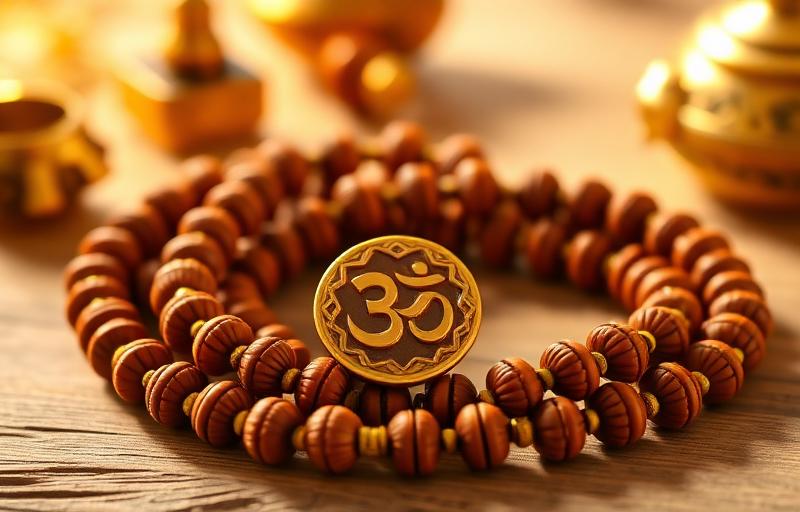
In traditional practice, the five substances of panchagavya are combined in prescribed proportions and used to purify a space or object before a major ceremony, such as a griha pravesh (house-warming), the consecration of a new idol, or the start of a yagna. A few drops sprinkled around a puja area or on ritual items are believed to prepare the space for the divine presence.
This is not treated as a casual act. Priests and elders who prepare panchagavya usually do so with recitation of mantras, treating the process itself as an act of worship rather than a mechanical task. The emphasis is always on the sincerity of intention behind the ritual, not on the substances alone.
Gau Seva as a Living Tradition
Beyond ritual use, devotees express reverence for the cow through gau seva, the direct service and care of cows. Feeding cows, especially on specific days or before one's own meal, is considered an act of humility and gratitude. Many temple towns maintain goshalas (cow shelters) where the aged and unwell are cared for by the community's collective faith.
Ayurveda, the traditional Indian system of wellness, also holds panchagavya's components in high regard within its own framework, though this reverence is best understood as part of a spiritual and cultural inheritance rather than a medical claim. What remains constant across both ritual and everyday practice is the underlying value of gratitude toward a being that gives generously and asks for nothing.
What the Cow Teaches Us Today
The reverence for the cow and panchagavya is, at its heart, a lesson in gratitude and non-violence (ahimsa). A devotee does not need elaborate rituals to honour this tradition. A simple act, such as keeping water and grass ready for a passing cow or supporting a local goshala, carries the same spirit as an elaborate temple ceremony.
Worship of the cow is an act of faith and love, not a transaction. It asks devotees to notice the quiet, giving presence around them and to respond with the same generosity, whether in a temple courtyard or a busy city street.
Frequently Asked Questions
What is panchagavya and what are its five components?+
Panchagavya refers to the five substances traditionally derived from the cow: milk, curd, ghee, cow urine and cow dung. In Hindu tradition, these are combined and used to purify ritual spaces and objects before ceremonies such as a house-warming or idol consecration.
Why is the cow called gau mata in Hindu tradition?+
The cow is called gau mata, or mother cow, because she is seen as a selfless giver who provides milk and service without expecting anything in return. Tradition also holds that many deities reside in her form, and she is closely linked to Kamadhenu, the divine wish-fulfilling cow of Puranic legend, and to Krishna, who is known as Gopala.
Is panchagavya only used in temple rituals?+
While panchagavya is prominently used in temple ceremonies and major life-cycle rituals, many households also use small quantities during their own puja preparations or home purification. Its use is guided by tradition and the sincerity of the devotee rather than being confined strictly to temples.
About the author
Pandit Mahesh Trivedi · Festival Traditions & Panchang
Pandit Mahesh leads the festival-date and Panchang content on Vandnaa. He cross-references multiple regional panchangs (Drik, Vaishnava, Bengali, Marathi) for every festival date published on the site.
Meet the Vandnaa editorial team →