What Is Dahi Handi?
Dahi Handi is the exuberant street festival celebrated on the day after Krishna Janmashtami, when an earthen pot (handi) filled with curd, butter, milk and sometimes coins is strung high between buildings. Teams of young devotees called govindas form towering human pyramids to reach and break the pot, while crowds cheer, drums roll and water is splashed from balconies above. The festival is most spectacular in Maharashtra - especially Mumbai, Thane and Pune - and in parts of Gujarat, where it is known as Makhan Handi. Janmashtami falls on Bhadrapada Krishna Ashtami, which arrives in the August-September period in 2026, with Dahi Handi the following day. Confirm the exact dates on the Vandnaa Panchang. At its heart, Dahi Handi turns one of Krishna's most beloved childhood leelas into a living, breathing celebration of joy and devotion.
Krishna the Makhan Chor - The Leela Behind the Festival
In Gokul, the gopis churned the finest butter, and little Krishna simply could not resist it. With his band of friends, the makhan chor (butter thief) would sneak into homes while the gopis were away. When Yashoda Maiya and the gopis began hanging their butter pots high from the ceiling, far beyond a child's reach, Krishna found a way - his friends stacked themselves one upon another, and the smallest climbed to the top to break the pot. The gopis would complain to Yashoda, yet secretly they longed for Krishna to raid their homes, for his theft was the sweetest blessing. The Bhagavata Purana cherishes these leelas as proof that the Lord is won not by grandeur but by love. Every Dahi Handi pyramid today is a re-enactment of that divine mischief in Gokul.
Govinda Pathaks and the Human Pyramids of Maharashtra
In Maharashtra, Dahi Handi is organised by govinda pathaks - neighbourhood teams that train for months, often practising late into the night after work. On the festival day they move from one handi to another in trucks, chanting "Govinda ala re ala!" (Govinda has come!). The pyramids, called thar, can rise six to nine human tiers high, with the strongest members forming the base and the lightest, often a young boy or girl called the bal govinda, climbing to the top. Famous handis in Dadar, Worli, Thane and Ghatkopar draw enormous crowds and prize money, and women's pathaks have earned great respect in recent years. The drenching water, the lezim drums and the swaying pyramid create an atmosphere that is part sport, part festival and wholly devotional - a whole city playing Krishna's game together.
The Symbolism - Teamwork, the Ego-Pot and Reaching the Divine Together

Dahi Handi carries layers of meaning beneath the fun. 1. No one reaches God alone: a single govinda can never touch the handi; only when many shoulders bear each other's weight does the summit come within reach. Satsang - climbing together - is the path. 2. Breaking the ego-pot: the earthen handi hung high represents the ahankara (ego) that keeps the sweetness of divine grace out of reach. It must be broken, not negotiated with, for the butter of bliss to shower down on everyone below. 3. The base matters most: the bottom tier earns no limelight, yet carries all the weight - a lesson in humble seva. 4. Falling is part of climbing: pyramids collapse and are rebuilt, just as a devotee stumbles and rises again on the spiritual path. The prize curd is shared by all - grace, once won, belongs to everyone.
How Dahi Handi Is Celebrated Today
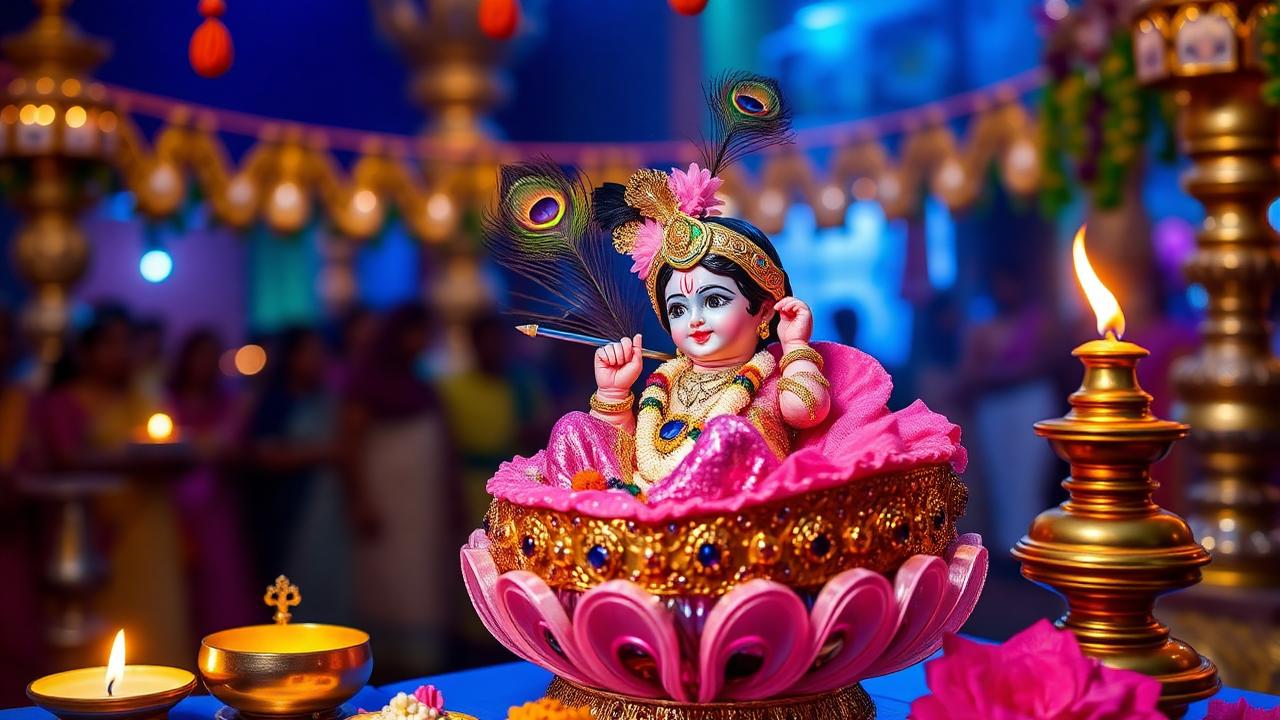
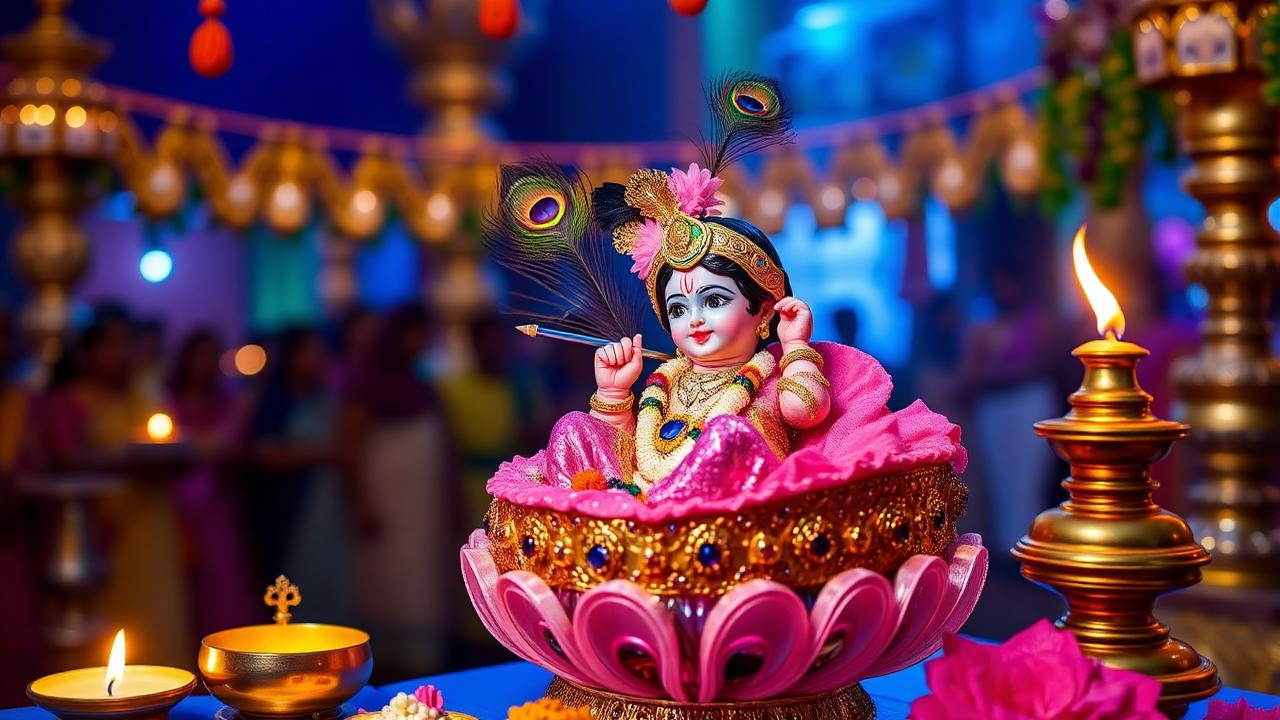
Modern Dahi Handi blends tradition with festivity. Housing societies and mandals string up handis decorated with marigold and mango leaves, and the pot is first worshipped with haldi-kumkum before being hoisted. Celebrations begin with Krishna bhajans and the previous night's Janmashtami jhankis still fresh - cradles with Bal Gopal, midnight aarti and makhan-mishri prasad. Through the day, pathaks attempt handis of increasing height while announcers narrate Krishna leelas between attempts. Many mandals now add cultural programmes, blood donation drives and prizes for the best bal govinda. In Mathura, Vrindavan and Dwarka, the day after Janmashtami continues with Nanda Utsav, when Nanda Baba's joy at Krishna's birth is celebrated with curd and turmeric showers - the same bhav as Dahi Handi, expressed in Braj's own way. Wherever you are, even breaking a small symbolic handi at home with children keeps the leela alive.
Safety and Spirit - Celebrating Responsibly
The soaring pyramids are thrilling, but safety must come first. Courts and authorities have issued guidelines over the years - age limits for climbers, height caps, safety harnesses, helmets for upper tiers, cushioned landing mats and ambulances on standby. Good pathaks treat these rules as part of their discipline, training systematically and never letting enthusiasm override judgment. For spectators: keep children away from the base of the pyramid, do not crowd the landing zone, and avoid throwing water once a climb begins. Remember that the festival's soul is bhakti, not bravado - Krishna's pyramid in Gokul was made of playful friends, not daredevils. A handi broken at a modest height with everyone safe honours the Lord far more than a record attempt that ends in injury. Celebrate hard, but celebrate the way Krishna would want - with joy, care and everyone going home smiling.
The Connection with the Janmashtami Vrat

Dahi Handi cannot be separated from the Janmashtami vrat that precedes it. On Ashtami, devotees fast through the day - many taking only fruit and water - and keep vigil until midnight, the hour of Krishna's birth in Mathura's prison. The Lord's idol is bathed in panchamrit, dressed in new clothes, placed in a cradle and welcomed with the midnight aarti and chants of "Nand ke anand bhayo, Jai Kanhaiya Lal ki!" The fast is traditionally broken after this aarti or the next morning. Dahi Handi is the natural overflow of that night's devotion: the solemn vigil gives way to celebration, just as Gokul erupted in joy the morning after Krishna's arrival. Fasting purifies, the midnight darshan fills the heart, and the handi releases that joy into the streets. Observe the vrat with the proper tithi and parana time listed on the Vandnaa Panchang, then join the celebration with a light, happy heart.
Reader Questions Answered
When is Dahi Handi 2026?+
Dahi Handi is celebrated the day after Krishna Janmashtami, which falls on Bhadrapada Krishna Ashtami in the August-September period of 2026. Since the exact Gregorian date depends on the tithi, confirm both the Janmashtami and Dahi Handi dates on the Vandnaa Panchang.
Why is Krishna called Makhan Chor?+
As a child in Gokul, Krishna lovingly stole butter from the homes of the gopis with his band of friends, even climbing on their shoulders to reach pots hung high from the ceiling. The gopis complained, yet longed for his visits, for his theft was a blessing. This beloved leela earned him the affectionate name Makhan Chor, the butter thief.
What does breaking the handi symbolise?+
The earthen pot hung high represents the ego (ahankara) that keeps divine sweetness out of reach. Breaking it together teaches that no one reaches God alone - only when devotees support each other, like the tiers of the pyramid, does grace shower down on everyone. It also honours humble seva, since the base carries all the weight without any limelight.
What is a govinda pathak?+
A govinda pathak is a trained neighbourhood team, mainly in Maharashtra, that forms human pyramids to break dahi handis. Members train for months, with the strongest forming the base and the lightest climber, the bal govinda, reaching the top. On the festival day, pathaks travel between handis chanting 'Govinda ala re ala!'
Is Dahi Handi celebrated only in Maharashtra?+
Maharashtra hosts the grandest celebrations, especially in Mumbai, Thane and Pune, but the festival is also popular in parts of Gujarat as Makhan Handi. In Mathura and Vrindavan, the day after Janmashtami is celebrated as Nanda Utsav with curd and turmeric showers, carrying the same spirit of joy at Krishna's birth.
How is the Janmashtami vrat observed before Dahi Handi?+
Devotees fast through Ashtami, many taking only fruit and water, and keep vigil until midnight, the hour of Krishna's birth. The idol is bathed in panchamrit, cradled and worshipped with the midnight aarti, after which the fast is broken or parana is done the next morning. Check the exact tithi and parana time on the Vandnaa Panchang.
About the author
Pandit Mahesh Trivedi · Festival Traditions & Panchang
Pandit Mahesh leads the festival-date and Panchang content on Vandnaa. He cross-references multiple regional panchangs (Drik, Vaishnava, Bengali, Marathi) for every festival date published on the site.
Meet the Vandnaa editorial team →