What is Dashama Vrat
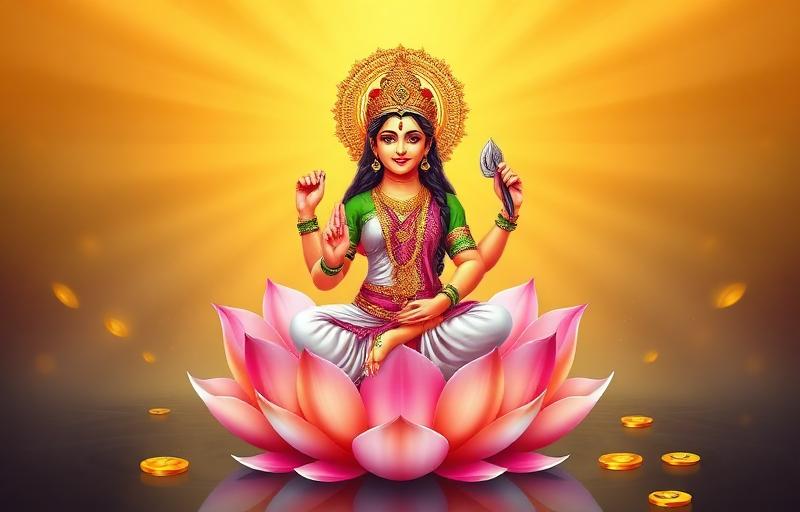
The Dashama vrat is a devotional fast observed by many Gujarati families, particularly women, in honour of Dasha Maa, a goddess believed to restore fortune and well-being to those who worship her with sincerity. The vrat is most commonly observed during the month of Shravan, a time already rich with devotional observance across the Hindu calendar.
The fast is kept for ten days, its very name drawn from dasha, meaning ten, reflecting both the duration of the vrat and the goddess's power to change one's dasha, or fortune, for the better.
The Katha of Dasha Mata
The katha most commonly told during this vrat describes a poor family whose fortunes had turned dire, until a woman among them began sincerely worshipping Dasha Mata, tying a sacred thread and observing the vrat with unwavering faith for ten days. As the vrat was completed with devotion, prosperity and well-being gradually returned to the household.
This story is retold each year as the vrat is observed, reminding devotees that patience and sincere faith, even amid hardship, are eventually rewarded.
Rituals and the Thread Vidhi
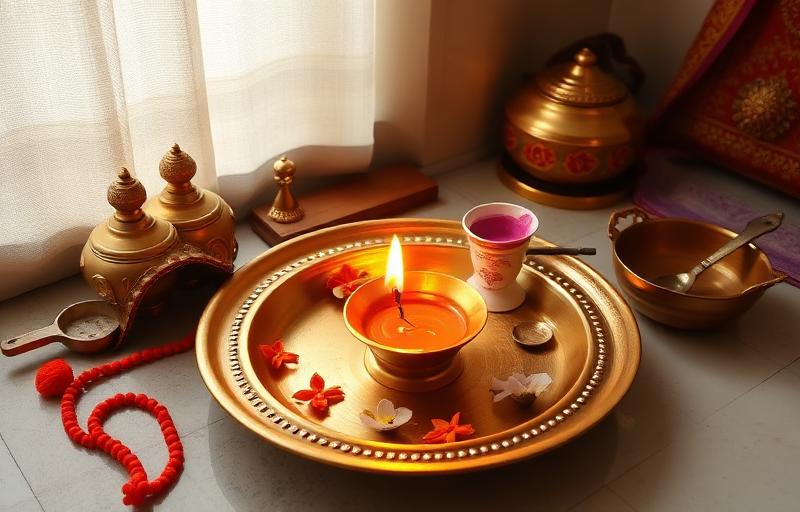
The central ritual of the vrat is the tying of the dashama no doro, a sacred thread with ten knots, each knot tied with a prayer and a moment of devotion, usually around the wrist or neck. Alongside this, devotees observe the fast, offer prayers to Dasha Mata and often gather to hear her katha recited together.
Simple offerings of sweets and grains are made as part of the ritual, and the thread is worn with care through the observance as a visible reminder of the vow taken.
Regional Observance
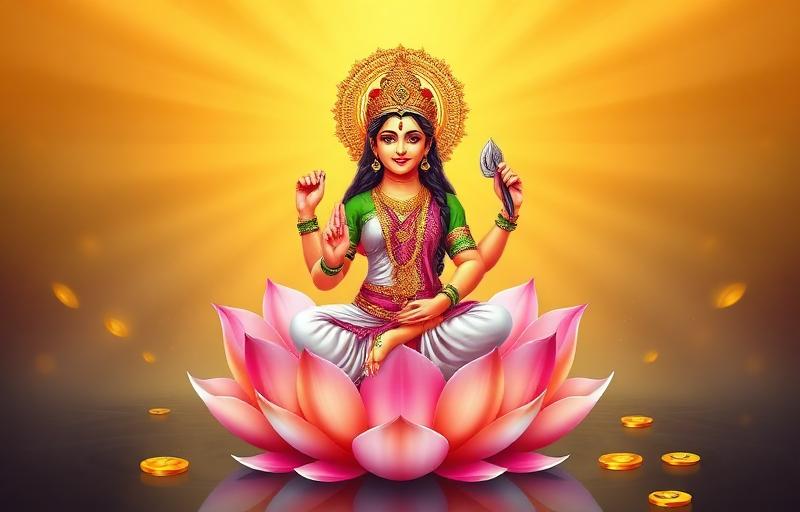
Dashama vrat is observed widely across Gujarat, with variations in local custom from one region and community to another, though the central themes of the thread ritual and the katha of restored fortune remain broadly consistent. Many families make it a point to observe the vrat together each year, treating it as an occasion for renewing shared faith.
Women often lead the observance within the household, though the entire family typically takes part in the closing rituals and the retelling of the katha.
Significance and Takeaway
The Dashama vrat, at its core, teaches that faith practised with patience and sincerity over time can steady a family through hardship. The thread, the fast and the retelling of the katha each year all serve as reminders of this quiet, enduring devotion.
Whether observed in a small home or alongside an entire community, the Dashama vrat remains, as with all worship of Dasha Maa, an act of faith and love, not a transaction.
Frequently Asked Questions
What is Dashama vrat?+
Dashama vrat is a ten-day devotional fast observed by Gujarati families, particularly during Shravan, in honour of Dasha Maa, believed to restore fortune and well-being.
What is dashama no doro?+
Dashama no doro is a sacred thread with ten knots tied during the vrat, each knot accompanied by a prayer, worn as a reminder of the devotee's vow.
What is the katha behind Dashama vrat?+
The katha tells of a poor family whose fortunes were restored after a woman among them observed the vrat with sincere devotion for ten days, a story retold each year during the observance.
About the author
Pandit Ravindra Sharma · Vedic Rituals & Bhakti, 22+ years
Pandit Ravindra is the Vandnaa editorial team's resident specialist on aarti, chalisa, and daily devotion. He has performed home and temple pujas across Varanasi and Delhi for over two decades and contributes the bhakti-focused articles on this site.
Meet the Vandnaa editorial team →