Who is Randal Maa
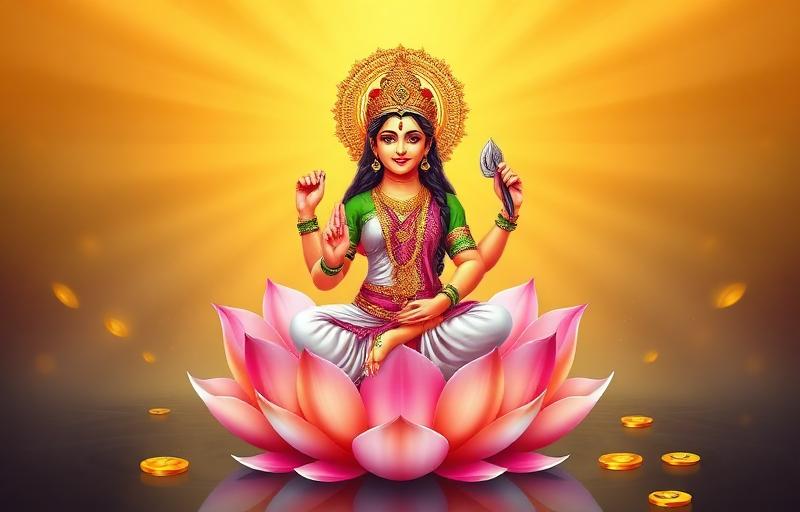
Randal Maa holds a distinct place in Gujarat's folk devotional life as the goddess worshipped in the form of Sanjna, the devoted consort of Surya Dev, the sun god. Her worship is especially cherished among coastal and fishing communities such as the Kharwas, as well as many other households across the state.
Unlike goddesses tied to a single grand temple, Randal Maa's presence is felt strongly through household ritual and community tradition, carried forward generation after generation.
The Katha of Sanjna and Surya
According to tradition, Sanjna, unable to bear the intense brilliance of her husband Surya Dev, endured great hardship before harmony was restored between them through devotion and patience. Devotees see in her katha a powerful lesson in steadfastness, faith and the strength quietly carried within a marriage bond.
Her worship as Randal Maa in Gujarat is closely tied to this scriptural memory of Sanjna, honouring her as a goddess who endured and ultimately triumphed through unwavering devotion.
The Randal na Lota Tradition
One of the most distinctive customs associated with Randal Maa is Randal na lota, a ceremonial ritual performed during weddings and other important family occasions in many Gujarati households. A decorated lota, or metal pot, representing the goddess is worshipped as part of the ceremony, often carried by women of the family with songs and rituals passed down for generations.
This tradition reflects how devotion to Randal Maa is woven directly into the fabric of family celebration, rather than confined to a temple visit alone.
Regional Observance
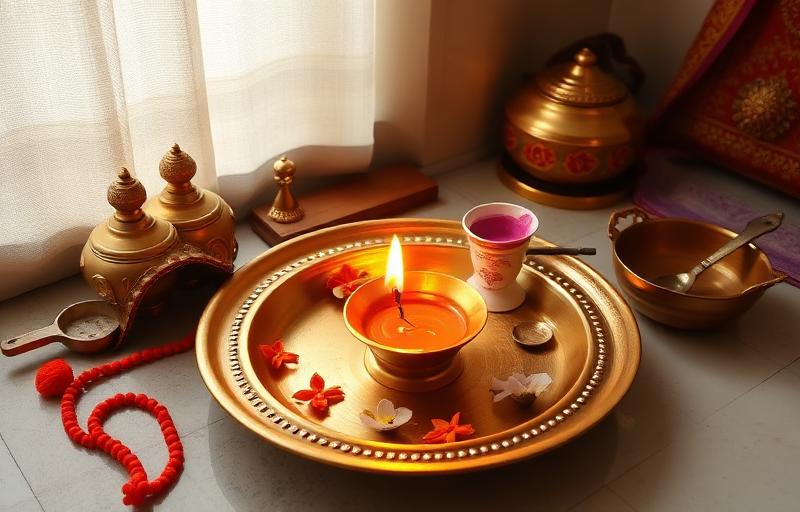
While Randal Maa is honoured across Gujarat, her worship carries particular weight among coastal communities whose lives are closely tied to the sea and to the sun's daily rhythm. Families often observe her puja during Shravan and around wedding season, when the Randal na lota ritual is most commonly performed.
Small shrines to Randal Maa can be found in many towns and villages, each maintained by local devotees who continue her worship with quiet, steady devotion.
Significance and Takeaway
Randal Maa's worship reminds devotees that devotion need not always take place within grand temple walls, it can live equally powerfully in the songs, rituals and quiet faith carried within a family home.
Whether through the Randal na lota ceremony or a simple daily prayer, remembering Randal Maa is, at its heart, an act of faith and love, not a transaction.
Frequently Asked Questions
Who is Randal Maa?+
Randal Maa is worshipped in Gujarat as Sanjna, the devoted consort of Surya Dev, and is especially honoured among coastal communities and in family rituals.
What is Randal na lota?+
Randal na lota is a ceremonial ritual performed during weddings and family occasions in Gujarat, where a decorated lota representing the goddess is worshipped with traditional songs.
When is Randal Maa typically worshipped?+
Families often observe her puja during Shravan and around the wedding season, when the Randal na lota ritual is most commonly performed.
About the author
Pandit Ravindra Sharma · Vedic Rituals & Bhakti, 22+ years
Pandit Ravindra is the Vandnaa editorial team's resident specialist on aarti, chalisa, and daily devotion. He has performed home and temple pujas across Varanasi and Delhi for over two decades and contributes the bhakti-focused articles on this site.
Meet the Vandnaa editorial team →